





Major shipping firm Maersk says it is still able to transport key supplies into the Gulf region by rerouting cargo through an “overland” land-bridge network, even after the Iran war and the shutdown of the Strait of Hormuz triggered severe disruptions to maritime trade. The company told Reuters it has been prioritising shipments of food and medicines using ports and faster procedures arranged with Gulf authorities, while continuing to balance demand across alternative corridors. Maersk said its approach has helped absorb volumes that previously moved through the region by sea, though logistics costs are rising and routes may need further adjustments if security conditions change.
Maersk’s regional head described how the conflict has rippled through global supply chains, bringing shipping activity in the Gulf close to a standstill. In response, the company has expanded a network designed to keep freight flowing despite the near halt in traditional shipping lanes.
Using ports as gateways to move cargo by land
Maersk’s land-bridge system channels containers through a series of Gulf ports, including Jeddah in Saudi Arabia, Salalah and Sohar in Oman, and Khor Fakkan in the United Arab Emirates. After cargo is landed, it is moved overland to destinations across the wider Gulf region, enabling the company to sustain delivery schedules for customers.
Prioritising essentials, with capacity remaining
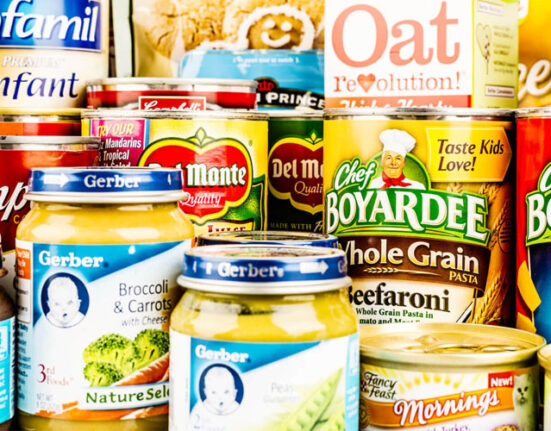
The company said it focuses first on critical goods, especially food and medicines, and it has coordinated with customers and governments to speed up handling. Maersk’s managing director said there is still spare capacity on the alternative routes even while the network is being ramped up.
Higher volumes and operational ramp-up
Maersk reported that cargo volumes into Jeddah have risen by about 40% since the conflict began. Before the war, Maersk was moving roughly 35,000 containers per week in and out of the Gulf, and its land-bridge network is now absorbing much of that flow as the company adjusts priorities for chilled and frozen shipments.
Rising logistics costs and “green lane” procedures
While the corridors help maintain supply of essentials, Maersk warned that the security situation remains fluid. The firm said fuel, insurance and transport costs have increased, pushing up overall logistics prices. It added that it is working with Gulf Cooperation Council governments on border, customs and terminal procedures, including faster “green lane” arrangements to move goods more quickly.
Leave feedback about this