Iran conflict tests Gulf food security plans, strains shipping through Strait of Hormuz
Gulf states that rely heavily on food imports are facing renewed pressure as the Iran conflict disrupts shipping through the Strait of Hormuz..
As fighting in the region disrupts maritime routes, Maersk says it is relying on alternative land-bridge corridors to keep vital cargo moving. The.
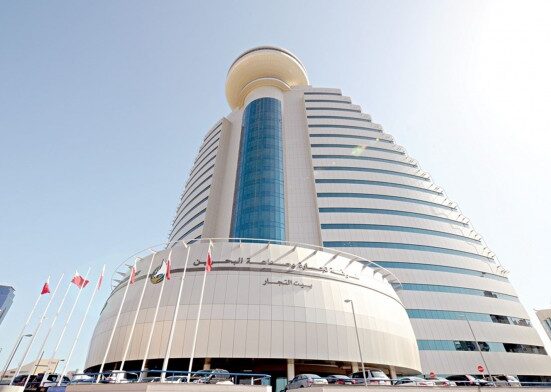
Suppliers and retailers in Bahrain report stable availability of essential goods and food products, citing continuous coordination across government entities, private businesses and.
The Ministry of Industry and Commerce says essential food stocks in Bahrain are sufficient and secure, with expanded strategic reserves aimed at protecting.
Food and beverage supply chain leaders emphasize resilience amid geopolitical challenges, tariff impacts, and rising demand for refrigerated goods, driving investments in technology.
The 2026 Middle East conflict and the Strait of Hormuz closure have severely impacted food security, logistics, and market resilience in GCC states,.
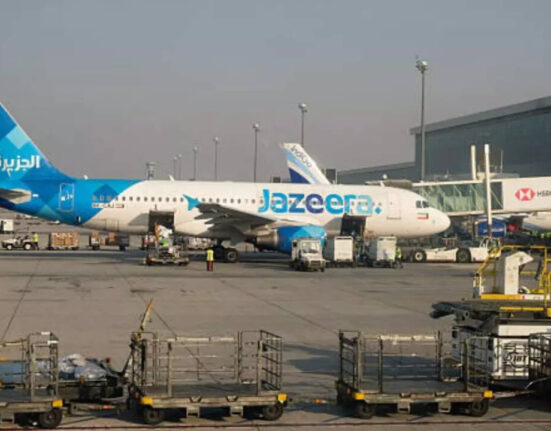
In response to ongoing regional conflicts disrupting air routes, Jazeera Airways has introduced a new supply corridor flying 4.5 tonnes of fresh Indian.

LuLu Group Chairman Yusuff Ali MA expressed gratitude to Prime Minister Narendra Modi for facilitating continuous food exports from India to Gulf Cooperation.
Despite ongoing conflict in the Middle East, Maersk maintains food and medicine supply chains via land-bridge routes in the Gulf, with some available.
Years of strategic planning have helped Gulf states maintain food security despite Iranian blockade disruptions, with strategic reserves and diversified supply routes cushioning.