






Gulf Cooperation Council states are moving ahead with a package of 20 joint industrial investment opportunities as the region intensifies efforts to expand manufacturing, improve supply-chain security and reduce reliance on hydrocarbons. Five of the proposed opportunities have already been completed and approved in the first phase by the GCC Industrial Cooperation Committee, according to GCC Secretary-General Jasem Mohamed Albudaiwi. Investor outreach is also underway, with promotional workshops being held in Saudi Arabia and Oman in cooperation with the Federation of GCC Chambers. Officials have not yet announced the sectors involved, the size of the investments or the expected implementation schedules.
Bahrain forum focuses on industry
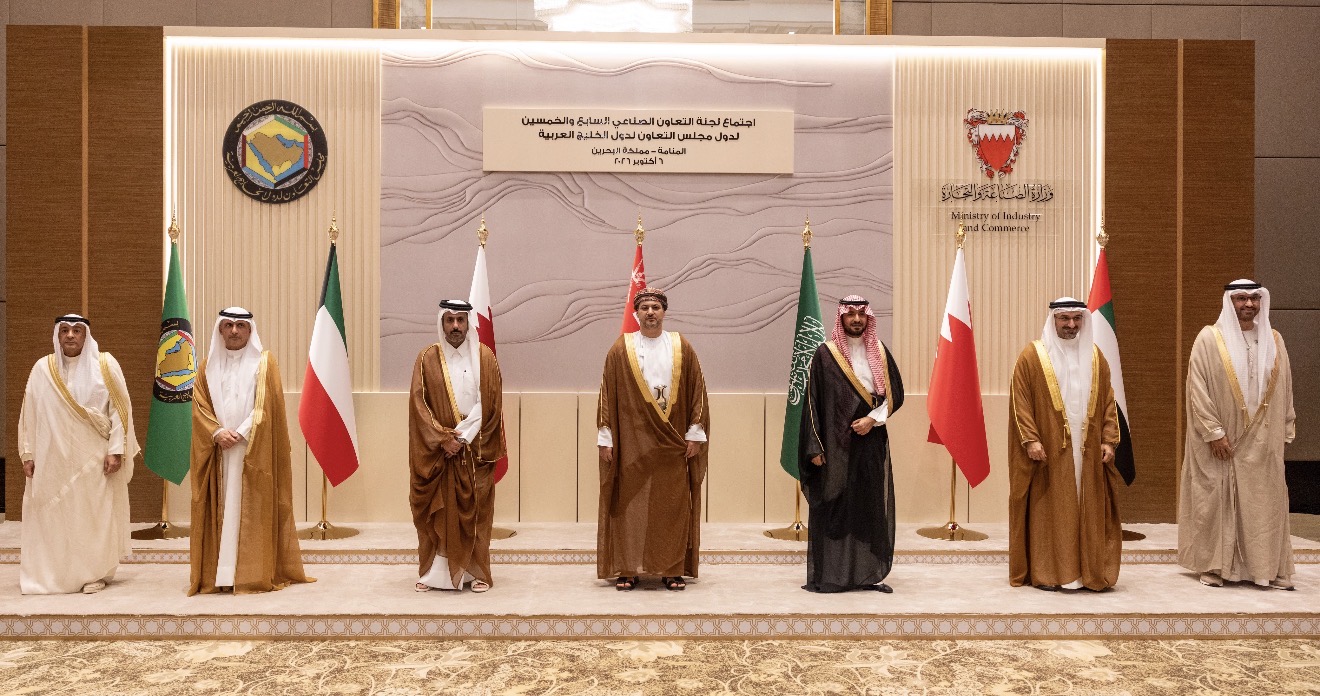
The plans were highlighted during a three-day industrial forum that opened on Oct. 6 at Exhibition World Bahrain in Sakhir. The event is centered on closer industrial coordination, access to international markets, financing tools, strategic partnerships, smart factories, economic zones and the development of Gulf industrial talent.
Manufacturing role expands
The initiative comes as the six GCC economies seek to position manufacturing as a stronger pillar of long-term growth. Across the bloc, more than 22,000 factories employ over 1.7 million people, while manufacturing accounts for about 13 percent of combined gross domestic product.
Albudaiwi said the regional vision behind Made in the GCC 2026 reflects a belief that Gulf economic strength should be measured not only by natural resources, but also by production and exports.
Technology and regulation
Alongside the forum, the 57th meeting of the GCC Industrial Cooperation Committee in Manama saw the launch of the Gulf Centre for the Fourth Industrial Revolution and its digital platform. The center is designed to support advanced manufacturing, emerging technologies and digital transformation in industrial facilities.
Committee priorities include aligning industrial strategies, updating regulatory frameworks, strengthening supply chains and improving the competitiveness of Gulf-made products.
Wider integration agenda
The industrial drive coincided with meetings of GCC commerce ministers and chamber leaders, who reviewed private-sector challenges, the GCC Common Market, Customs Union requirements and regional trade flows. The bloc’s combined GDP is estimated at about $2.4 trillion, with non-oil activity representing roughly 79 percent.
Officials also pointed to infrastructure gains, including electricity interconnection savings of more than $952 million in 2025 and cumulative savings exceeding $5.2 billion since the project began.
Leave feedback about this