






Between January and February 2026, policy responses in the agrifood sector surged globally, addressing critical issues such as biosecurity, household consumption support during peak festivals, and significant import tariff shifts. Data from the Food and Agriculture Policy Decision Analysis (FAPDA) platform captured over 1,000 government actions across 177 countries and regional communities, reflecting multifaceted approaches to safeguard food systems and public health during this period.
Enhancing Biosecurity and Natural Resource Protection
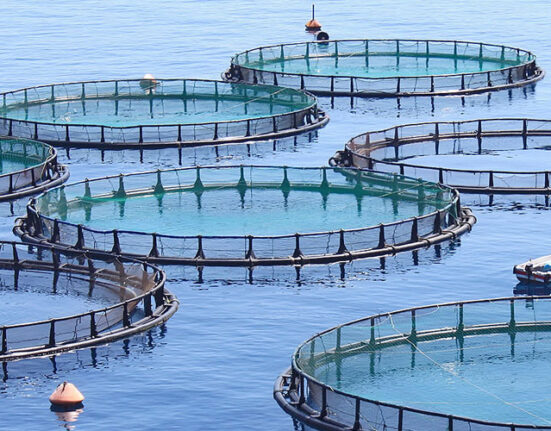
Governments strengthened policies to preserve human, animal, and environmental health alongside safeguarding natural resources. In the Persian Gulf, Iraq and Saudi Arabia tightened regulations to combat overfishing, enforcing seasonal bans and penalizing illegal fishing methods. Bangladesh enacted laws prohibiting tree damage for non-commercial use, while Moldova initiated forest regeneration schemes. Malaysia incorporated artificial intelligence for environmental monitoring and launched a carbon market to advance climate-aligned conservation efforts.
Significant biodiversity initiatives included Angola’s designation of a key wetland in the Zambezi region and Somalia’s launch of a multi-million-dollar biodiversity program. Meanwhile, disease control intensified due to outbreaks like the Nipah virus in India and Foot-and-Mouth Disease in parts of the Middle East and Southern Africa, prompting heightened surveillance, travel advisories, vaccination campaigns, and digital health governance tools in countries such as Egypt, Iraq, and Vietnam.
Support for Household Consumption During Festive Seasons
In response to increased seasonal food demand during events like the Lunar New Year and Ramadan, various governments introduced measures to maintain food affordability and safety. Malaysia offered toll reductions to reduce travel costs, while Vietnam expanded food safety inspections. Countries including Libya, Lebanon, and Iraq launched digital price monitoring to curb inflation. Export restrictions on meat and vegetables were applied in some nations, and customs duties were adjusted to balance supply and prices, evident in Bangladesh’s trade measures and the Maldives’ monetary interventions to secure food imports.
New Developments in Import Tariff Frameworks
Following a February 2026 U.S. Supreme Court decision deeming certain tariffs unlawful, the U.S. government implemented a temporary global surcharge between 10% and 15% across multiple sectors, excluding steel, autos, and electronics tariffs. This adjustment primarily impacts major exporters like Japan, South Korea, and the European Union, which have suspended prior agreements and seek renegotiation. Countries with diverse export portfolios, such as Bangladesh, Vietnam, and Indonesia, may experience milder effects.
India and Taiwan secured arrangements to mitigate tariff impacts, while several African nations pursue both tariff negotiations with the U.S. and trade diversification. China’s elimination of tariffs for most African countries and the EU’s pending trade agreement with MERCOSUR exemplify efforts to balance global trade realignment. Additionally, companies affected by earlier tariffs are seeking compensation from the U.S. government.
Focus on Achieving SDG 2: Zero Hunger
As 2030 approaches, monitoring progress toward the Sustainable Development Goal 2—ending hunger and ensuring food security—remains critical. Since 2016, 188 national governments and 17 regional economic communities have enhanced commitments to integrated and cross-sectoral agrifood policies. Efforts increasingly combine agricultural production with health, social protection, environmental sustainability, and climate action.
Least developed countries often emphasize producer-oriented policies to boost food availability, while nations with more stable supplies integrate both producer and consumer strategies. Water-scarce regions mainstream food security into resource and climate management. High-income nations and some emerging economies such as Brazil, Costa Rica, and Malaysia demonstrate positive trends through comprehensive consumer and producer measures, including nutrition education, market stabilization, financial support, and digital innovations.
Despite these initiatives, some countries face slow progress, prompting reconsideration of investment scale and policy coherence to accelerate hunger eradication efforts.
Leave feedback about this