

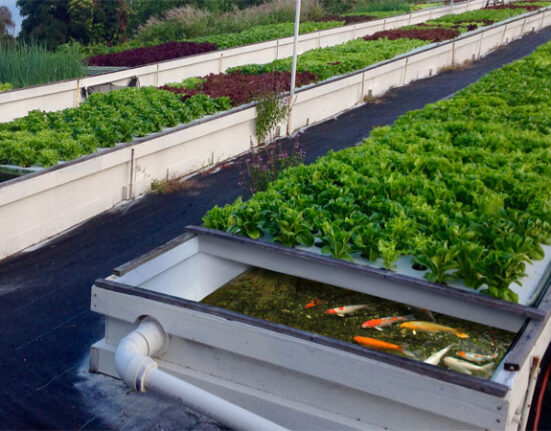
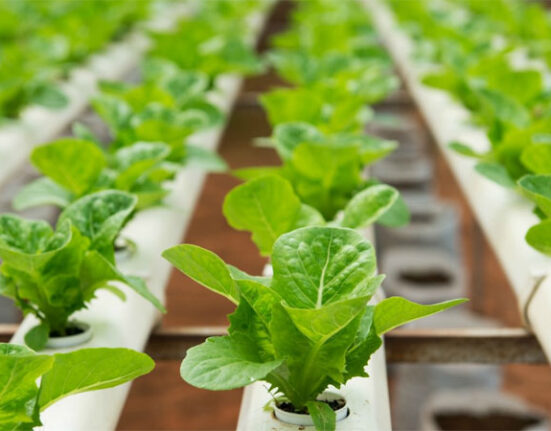

Controlled environment agriculture is entering a more flexible phase as researchers and growers look beyond the early promise of LED-lit vertical farms and greenhouses. A review of recent studies argues that profitable indoor production depends less on holding crops under fixed conditions and more on adjusting the environment as plants develop. The work highlights a shift toward dynamic crop management, where lighting, canopy structure, root-zone conditions and real-time plant signals are coordinated to improve efficiency. The goal is to cut energy and labor costs while protecting yield, quality and grower margins in systems where electricity and operating expenses remain major barriers.
Lighting becomes a variable tool
Several studies examined whether changing light timing, intensity or spectrum can improve crop performance. In lettuce, very short light-dark cycles avoided the growth losses seen under longer interruptions. In basil, dynamic changes in light intensity improved dry weight and light-use efficiency by 9% compared with static conditions.
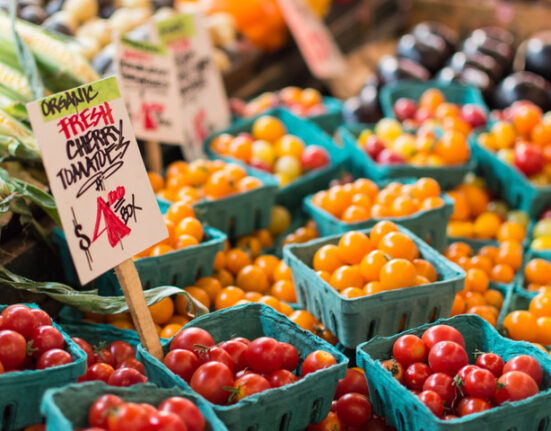
Other trials found that reducing blue light by 25% to 38% increased fresh yield in baby leaf lettuce, largely through higher water content. Cherry tomato experiments suggested that continuous low-intensity lighting performed poorly, but splitting the same daily light between daytime white light and nighttime blue light reduced injury and improved fruit results. End-of-production lighting also increased vitamin C in lettuce, although biomass and anthocyanins declined.
Beyond LEDs
The research also points to non-lighting decisions that influence productivity. Hydroponic tests showed that bubbling can supply oxygen but may also disturb the root environment, affecting iron uptake and causing chlorosis. Greenhouse covers are also becoming more responsive through switchable materials, sensors and automated controls.
In high-wire tomato production, a pruning strategy based on weekly light reaching the lower canopy reduced pruning events by 35% to 42% without lowering yield.
Sensors and digital twins
Plant-based feedback is emerging as a key part of the next generation of indoor farms. One lighting control system used environmental data, light history and daily patterns to predict photosynthetic performance, achieving the strongest LED energy-use efficiency while maintaining similar growth.
Another study demonstrated an open-source digital twin approach, using farm data and models to simulate hydroponic lettuce production with strong predictive accuracy.
Commercial outlook
Together, the findings suggest indoor farming is moving toward systems that respond continuously to plant biology. If adopted widely, dynamic management could help reduce production costs, improve resource use and make controlled environment crops more economically competitive.
Leave feedback about this