

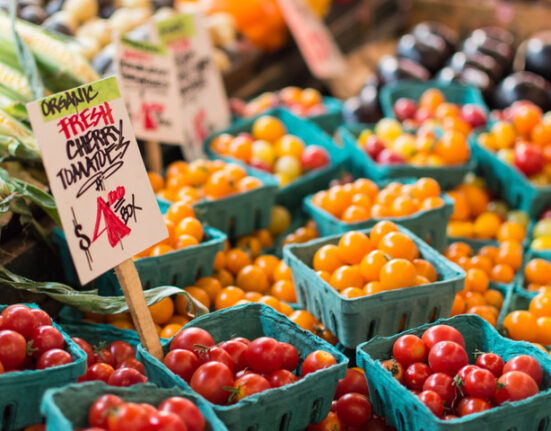
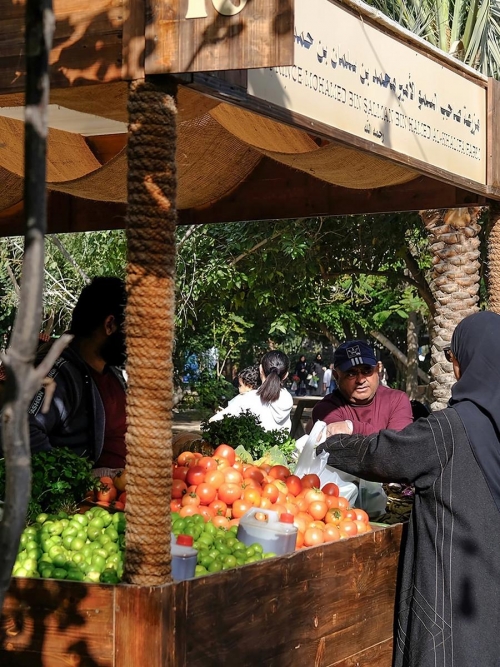
The Bahrain Farmers’ Market has played a pivotal role in boosting local agricultural production and enhancing the Kingdom’s food security. Since its launch, the market has offered a direct platform for producers and consumers, supporting the growth and diversity of locally grown vegetables.
Market Partnership and Support
The market operates through a collaboration between the Ministry of Municipalities and Agriculture and the National Initiative for Agricultural Sector Development. It also benefits from private sector participation, including support from stc Bahrain and GPIC.
Impressive Sales Figures and Crop Variety
During the 2025–2026 agricultural season, the farmers’ market recorded the sale of approximately 212 tonnes of various kinds of local vegetables by the ninth week. Farmers marketed 104 different agricultural varieties, indicating substantial growth in production scale and diversity.
Top Selling Crops
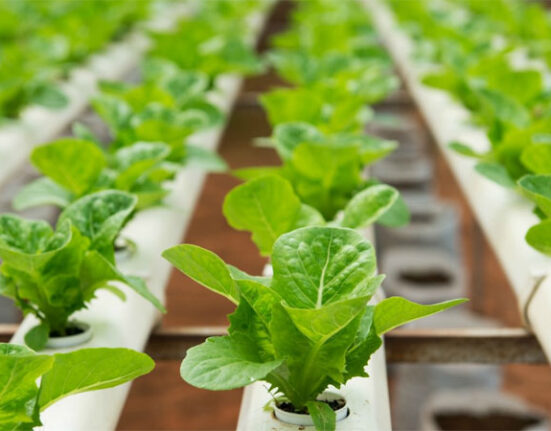
Tomatoes emerged as the top-selling crop with a total of 11,954 kilograms traded. Red cherry tomatoes followed closely at 9,525 kilograms. Other leading vegetable sales included pumpkins (8,524 kg), eggplants (8,355 kg), and white cauliflower (7,424 kg). Corn, colored cherry tomatoes, cucumbers, scallion tomatoes, and beetroot were also among the best sellers.
Consumer Engagement and Food Security Efforts
The market has attracted considerable participation from citizens, residents, and visitors alike. This continued consumer interest demonstrates growing confidence in local food products and fosters the culture of supporting domestic agriculture. Authorities emphasized that the market strengthens the link between farmers and consumers, improving marketing efficiency and contributing significantly to the country’s food security.
Ongoing Development and Future Plans
The Ministry of Municipalities and Agriculture, together with partners, remains committed to closely monitoring market operations and developing regulatory frameworks to ensure sustainability. The farmers’ market is scheduled to remain open until February 14, 2026, as part of Bahrain’s efforts to promote local agricultural production and secure long-term food stability.
Leave feedback about this