










Bahraini and regional logistics operators have swiftly recalibrated their shipping routes and supply strategies following the effective closure of the Strait of Hormuz amid ongoing conflict. This key maritime chokepoint, responsible for about 20% of global oil trade, has seen a drastic fall in vessel traffic, impacting trade flows significantly.
Impact of the Strait of Hormuz Closure
Since February 28, maritime traffic through the Strait has plunged from 1,900 vessels to roughly 100 when compared to similar periods last year. Bahrain’s airspace remains temporarily closed as well, further complicating transport logistics. The Bahrain Centre for Strategic, International and Energy Studies (Derasat) highlights that these disruptions have led to increased transit times, higher costs, and complicated air cargo processes, particularly affecting import and export flows.
Adaptive Measures by Logistics Firms
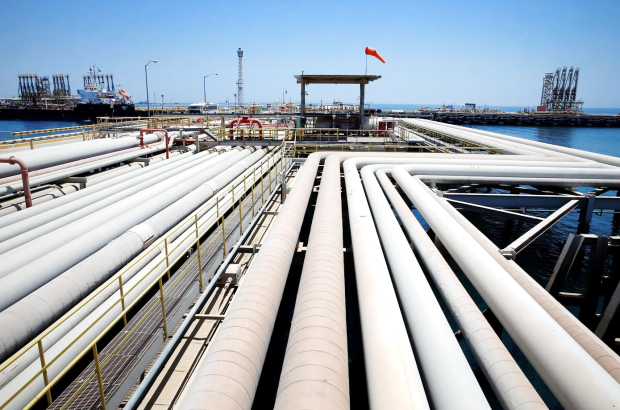
To counter these challenges, logistics providers have been rerouting shipments around the Cape of Good Hope, adding up to two weeks to transit durations. Cargo is also increasingly diverted to Red Sea ports such as Jeddah and Yanbu, which have become critical alternatives for containers, bulk goods, and oil via pipelines. In parallel, air freight has expanded for high-value and perishable items despite the constricted airspace environment.
Role of Land Routes and Regional Initiatives
Overland transport facilitated by Saudi Arabia through land borders has helped maintain essential supplies. Saudi Arabia has also launched maritime links, including the Gulf Shuttle service connecting King Abdulaziz Port in Dammam to Bahrain’s Khalifa Bin Salman Port, which supports quicker and more reliable trade pathways. Additionally, logistics initiatives focused on road networks and eased border operations are enhancing resilience against sea-route disruptions.
Supply Chain Risks and Recommendations
The alternative routes present their own challenges, including longer shipping times, elevated freight and insurance costs due to perceived security risks, as well as potential geopolitical spillovers affecting maritime safety. Experts recommend diversifying import sources, increasing domestic agricultural production, leveraging technology for efficient logistics, maintaining strategic reserves, and encouraging regional coordination and public-private partnerships to strengthen infrastructure and supply chain robustness long term.
Leave feedback about this