









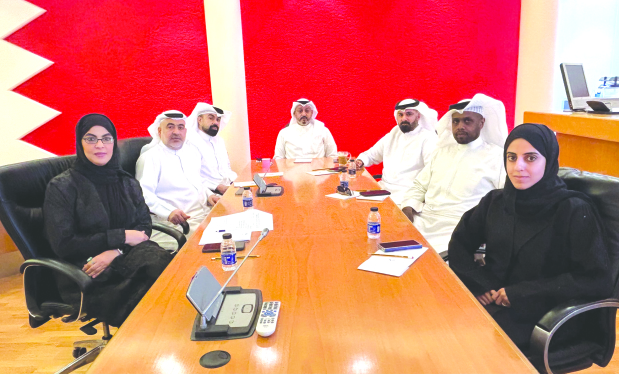
A new proposal aimed at reducing steep electricity bills for Bahraini families sharing the same home has been endorsed by the Muharraq Municipal Council. The council convened an urgent extraordinary meeting chaired by acting chairman Saleh Buhazaa, following complaints that existing subsidy rules disadvantage extended or compound households.
Instead of treating an entire property as one household for subsidy purposes, the draft recommendation calls for subsidy thresholds to be calculated using the actual number of eligible Bahraini families residing in the premises. The council plans to submit its recommendation to Bahrain’s Ministry of Municipalities Affairs and Agriculture, which would then forward it to the Electricity and Water Affairs Minister.
How the new approach would work
The proposed mechanism would raise subsidised electricity consumption bands according to the number of eligible families verified to live in the same property. Under the plan, two qualifying families would effectively receive consumption limits equivalent to double the current subsidised thresholds, while three families would receive triple, subject to checks.
These checks are intended to confirm residency and eligibility and to ensure that benefits are not claimed multiple times for the same household members.
Why the council says families are being hit harder
Officials said many citizens report that bills climb quickly when several families share a single electricity account. The council argued that when subsidised consumption bands are exhausted sooner, electricity use can shift into higher-priced tariff categories even though each family would have met the subsidy conditions if living separately.
Current tariff bands and the proposed adjustments
Under the existing tariff structure for a Bahraini citizen’s first home, the first 3,000 kilowatt-hours are charged at three fils per kWh, the next 2,000 at nine fils, the following 2,000 at 16 fils, and usage beyond 7,000 kilowatt-hours at 32 fils. The council suggested that for two eligible families living together, the subsidised threshold would increase to 6,000 kilowatt-hours at three fils, 10,000 at nine fils, and 14,000 at 16 fils, with higher consumption remaining at 32 fils.
Eligibility requirements and possible next steps
As outlined in the proposal, each eligible family would need to meet existing criteria, including Bahraini nationality and actual residence, along with matching identity and electricity account details. The council also noted that linking any reform to faster delivery of independent homes could provide a long-term solution, while technical officials described the updated method as fair and logically aligned with current entitlements.
Leave feedback about this