

Since food monitoring heavily relies on maintaining food security, which directly concerns the availability, accessibility and affordability of food, hydroponics contribute greatly to Bahrain’s food monitoring because it is a sustainable process that minimises production costs, and, in turn, maximises food production. Thus, there is an increase in volume of food distributed to the locals. Hydroponics, then, are important because they provide a more cost effective means of growing crops that, because of its regulated growing conditions, can provide a greater supply of food at affordable prices within Bahrain.
What are Hydroponics?
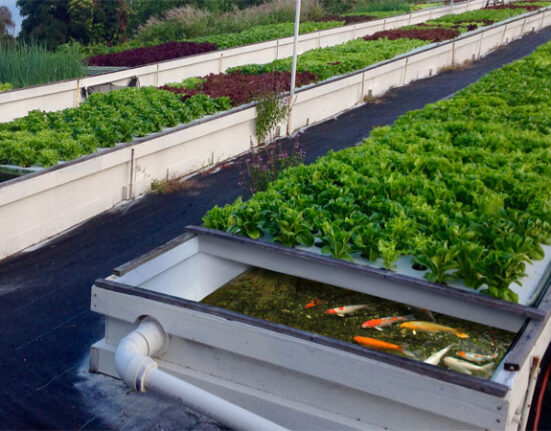
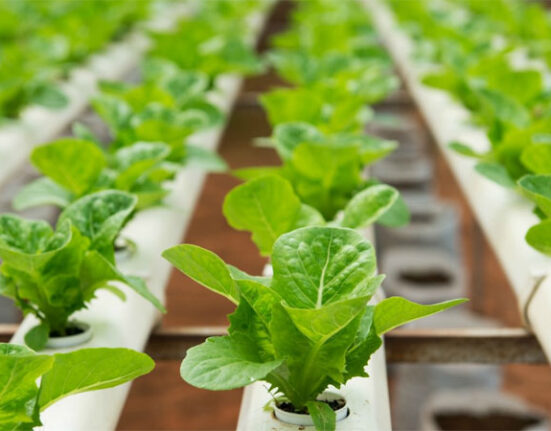
A soil-less method of growing plants that uses nutrient solutions such as sand, gravel, and liquids to encourage a more efficient growth of plants than soil would. Growth occurs under human-controlled conditions which serve to minimise the space occupied by growing plants and its large root structures which is typical of soil-grown plants. Other benefits of this process may include:
- More flexible growth
Plants may be grown all-year-round and are not bound to solely indoor or outdoor conditions – which, greatly benefits Bahrain given its desert-like environment and lack of rain that would usually limit the time frame under which certain crops may be grown. In fact, Bahrain’s arid environment encourages growth under hydroponic conditions - Growth may be regulated and controlled
The growing condition of the crops may be maintained or adjusted to the right level – as required by its environment - Conserves more water than traditional plant growing
The water is concentrated on one small area, providing a more focussed supply of nutrients needed for growth - Eliminates soil borne pests providing healthier crops
Since soil is excluded from this method of plant growth, there is a decreased need for pesticides - Eliminates the need for plant fertilisers and thus leading to long term growth
Significance of Hydroponics to Bahrain Food Monitor
Examples of Hydroponics in Bahrain
Peninsula Farms is an example of hydroponics in Bahrain. This is an organisation that values creating a greener, healthier, and self-sustaining Bahrain, supplies locals with locally produced hydroponic fruits and vegetables, some of which may be found in the table below:
VEGETABLES
- Baby Spinach
- Lemon Mint
- Red Chilli
- Green Oakleaf
- Yellow Capsicum
- Mixed Salad
- Kale
- Cucumber
- Chocolate Mint
- Lettuce
- Mixed Capsicum
- Green Chilli
- Lollo Biondo
- Red Oakleaf
- Lollo Rosso
- Rocket
- Watercress
FRUITS
- Tomatoes
- Red Cherry Tomatoes
- Vine Tomatoes
For more details visit: www.peninsulafarms.com
Industry Updates
Global Agrifood Policy Updates Highlight Biosecurity, Consumption Support, and Tariff Changes in Early 2026
In early 2026, governments worldwide intensified biosecurity efforts, expanded seasonal consumption support, and adjusted import tariffs amid evolving agrifood challenges.

- by admin
- April 1, 2026
Global Agrifood Policy Updates Highlight Biosecurity, Consumption Support, and Tariff Changes in Early 2026
In early 2026, governments worldwide intensified biosecurity efforts, expanded seasonal consumption support, and adjusted import tariffs amid evolving agrifood challenges.
- by admin
- April 1, 2026
UN Chief Forms Task Force to Ensure Fertilizer Flow Through Strait of Hormuz
UN Secretary-General Antonio Guterres has established a task force to safeguard fertilizer shipments through the Strait of Hormuz amid escalating.
- by admin
- April 1, 2026
Bahrain Ranks Among Top 50 Globally for Food Security with Strategic Initiatives
Bahrain has secured its position as one of the world’s most food-secure nations through a comprehensive national strategy, advanced agricultural.
- by admin
- April 1, 2026
Gulf Food Security at Risk as Iran Conflict Disrupts Strait of Hormuz Shipping
Gulf states face their most severe food security challenge since 2008 as the Iran war disrupts key shipping routes through.
- by admin
- March 8, 2026
Bahrain to Host World’s First International Date Observatory
Bahrain will serve as the permanent home for the first International Date Observatory, boosting the kingdom's role in global agricultural.
- by admin
- March 8, 2026