




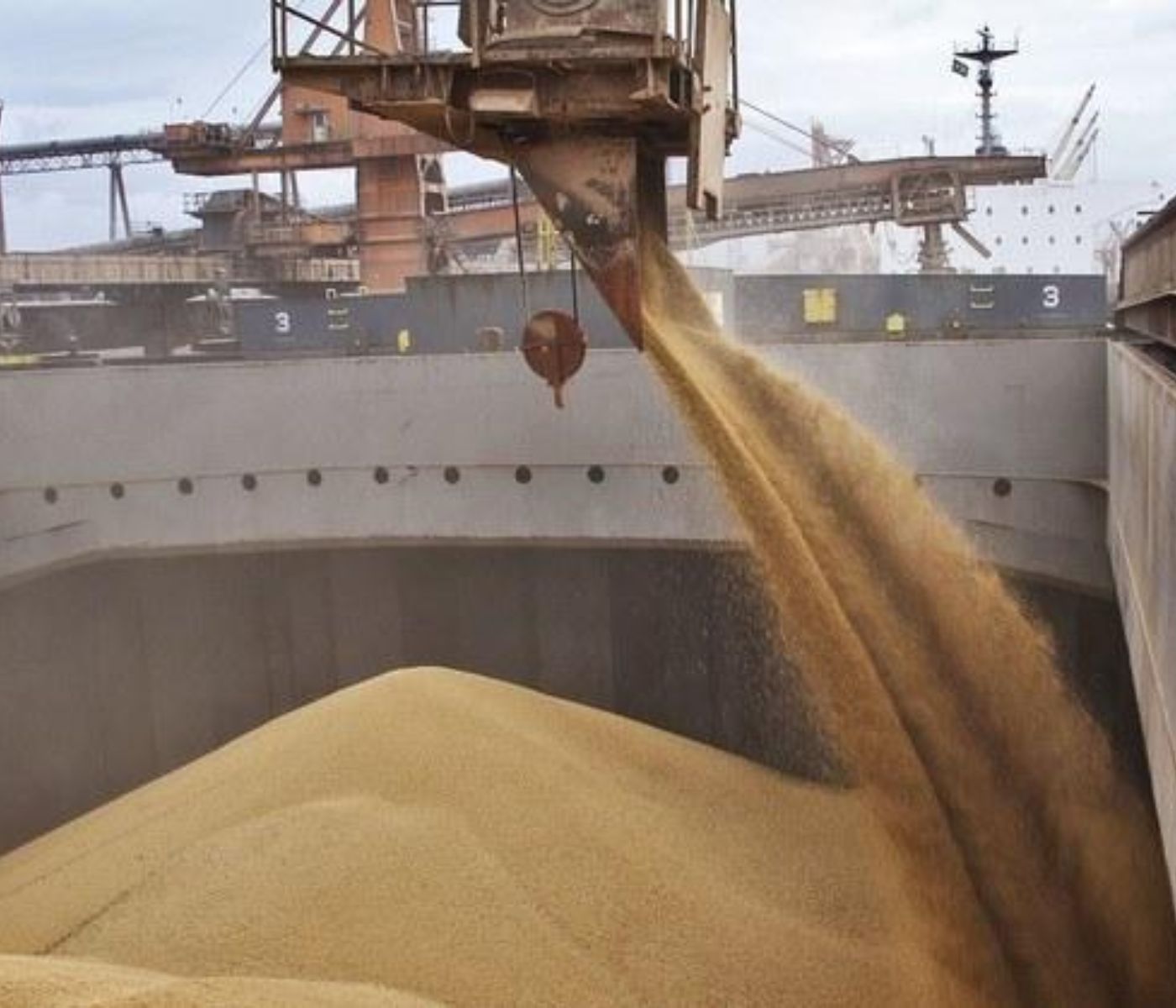
Feed supply risks are mounting across the Middle East as instability around major maritime routes complicates the movement of grains, protein meals and forage into import-dependent markets. Gulf livestock industries are particularly exposed because intensive poultry, dairy and ruminant production relies heavily on ingredients sourced from global commodity channels. Any prolonged disruption could raise feed costs, delay deliveries and pressure producers already operating on narrow margins. The issue is not only the availability of corn, soybean meal, barley or alfalfa, but also the cost and reliability of moving those materials through ports, shipping lanes and inland logistics networks.
Import Dependence Increases Exposure
Countries in the Gulf Cooperation Council face structural limits on domestic crop production, including scarce water, limited arable land and extreme temperatures. As a result, imported goods accounted for about 85% of GCC food consumption in 2024, while cereals were close to 90% import-dependent.
Fodder sourcing is also concentrated. Recent analysis indicated that around 60% of Saudi Arabia’s imported fodder and 45% of Qatar’s came from the United States, showing how disruptions in specific trade flows can affect livestock systems.
Strait of Hormuz Adds Logistical Pressure
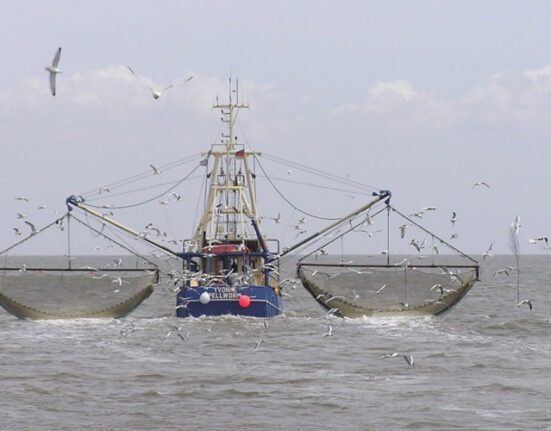
The Strait of Hormuz remains a critical passage for Gulf trade. Restrictions, security concerns or congestion in the area can slow agricultural commodity shipments and increase insurance, fuel and freight expenses.
Iran is especially vulnerable because of its reliance on imported feed grains and maritime access through the strait. Saudi Arabia and the United Arab Emirates have additional port options outside the Persian Gulf, but rerouting cargo can still extend delivery times and increase costs.
Impact on Poultry, Dairy and Feed Mills
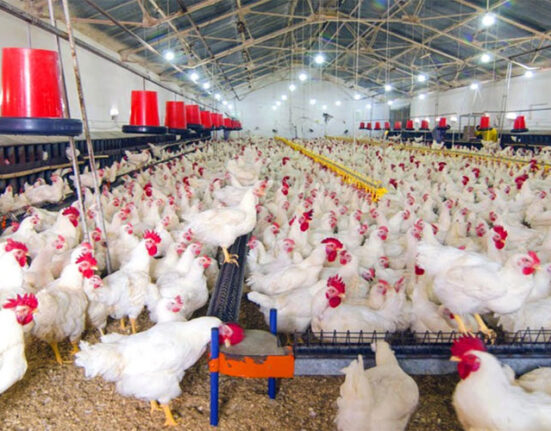
Feed is one of the largest costs in animal production. Poultry diets depend on energy and protein ingredients such as corn and soybean meal, while dairy farms in arid regions rely on imported forage and concentrates. Shortages may force reformulation, but substitutions must preserve nutrient balance, digestibility and feed quality.
Feed manufacturers also face greater procurement uncertainty, particularly smaller mills with limited storage or fewer supplier options.
Building More Resilient Feed Chains
Industry resilience will depend on broader sourcing, alternative transport routes, improved stock management and stronger quality control. Flexible, science-based feed formulation can help producers adapt without undermining animal performance.
For Gulf livestock sectors, feed security is now inseparable from food security. Protecting production will require planning beyond short-term purchasing decisions.
Leave feedback about this