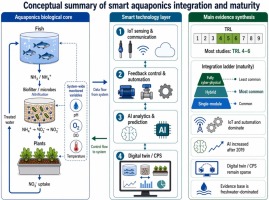
A new review concludes that aquaponics system layout alone does not reliably determine yield, nutrient efficiency or resilience, with operational factors often playing.
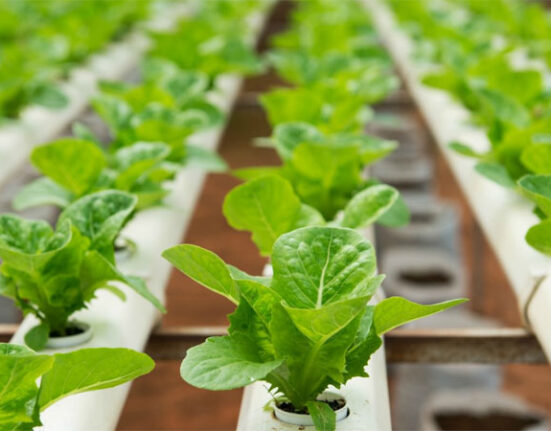
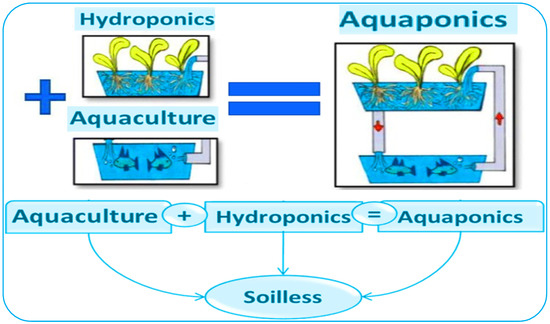
Aquaponics integrates aquaculture and hydroponics to create sustainable food systems that optimize water use efficiency, enhance crop yields, and offer economic, environmental, and.
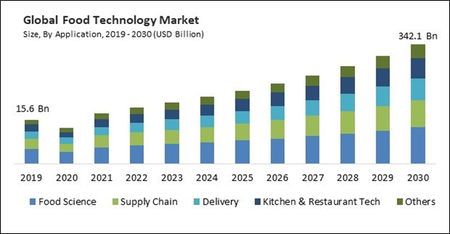
The Global AgTech and Advanced Food Technologies Market report offers an in-depth analysis of innovative agricultural technologies, investment trends, and competitive landscape, projecting.
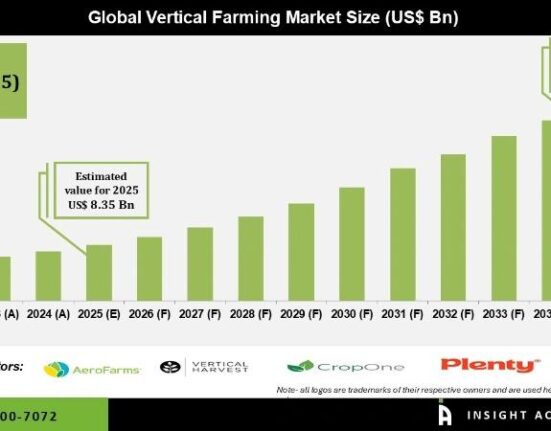
The vertical farming industry is projected to reach $60.4 billion by 2035, driven by technological innovations, climate resilience, and rising food demand.
New research introduces an advanced closed-loop aquaponics system that significantly boosts plant yield, drastically cuts water and energy use, and aims for near-zero.
Climate change poses a severe threat to food production, making it imperative to find sustainable methods that complement natural, regenerative, soil based farming..
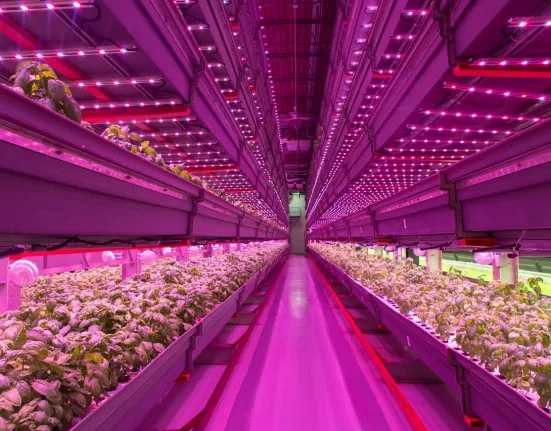
“By 2025, aquaponics vertical farms can use up to 90% less water than traditional soil-based agriculture.” Table of Contents Aquaponics Vertical Farming Revolution:.