








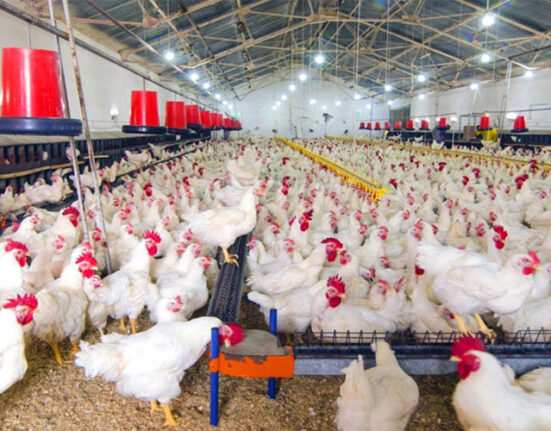
Bahrain livestock and farm animal owners can access a free animal vaccination service aimed at reducing the spread of epidemic diseases and strengthening animal health protection across the Kingdom. The programme is carried out through periodic field initiatives that include vaccinations as well as spraying campaigns targeting disease vectors and external parasites affecting farm animals. The service forms part of ongoing efforts to prevent outbreaks, support biosecurity on farms and barns, and help owners maintain healthier herds. Registration is available through the Clinics and Disease Control Section, after which owners are added to the vaccination schedule based on the section’s operational plan.
Who Can Use the Service
The service is available to citizens, commercial entities and other eligible animal owners in Bahrain. It is designed for livestock and farm animal keepers who need preventive vaccination support or related animal health measures. The service is delivered without charge, helping reduce barriers for owners seeking to protect their animals from serious infectious diseases.
How Registration Works
Owners must submit a request to the Clinics and Disease Control Section to be included in the vaccination plan. Registration can be completed by calling 17987304 or 17987294, or by emailing Vetclinic@mun.gov.bh. Applicants should provide the number and types of animals requiring attention, as this information is needed to organize the service.
Vaccination Steps
Once a request is received, an appointment is arranged according to the section’s schedule. Veterinary teams then vaccinate animals based on the animal type and the vaccine required. Where necessary, booster doses are administered in line with the relevant vaccination programme. After completion, the next vaccination date may be scheduled to maintain protection.
Owner Responsibilities
Animal owners are expected to follow vaccination appointments, report clinical symptoms to veterinarians, avoid unsupervised antibiotic use, keep shelters clean and prevent overcrowding. They should also provide feed rich in vitamins and minerals and maintain parasite prevention measures.
If an epidemic disease is suspected, sick or exposed animals should be isolated immediately. Owners must cooperate with official examination, sampling and quarantine procedures, avoid introducing new animals, and refrain from moving, slaughtering or selling products from affected animals unless authorised.
Leave feedback about this