











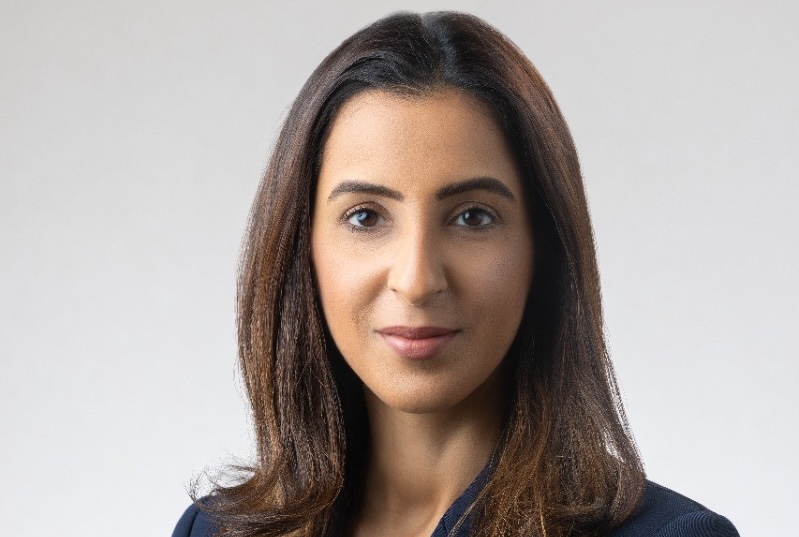
Noor bint Ali Alkhulaif, Bahrain’s minister of sustainable development and chief executive of the Bahrain Economic Development Board, is positioning human capability as the foundation of the country’s technology strategy. Her work spans efforts to attract investment, expand digital infrastructure and support Bahrain’s 2030 economic development priorities. As governments race to adapt to artificial intelligence, fintech and cloud computing, Alkhulaif emphasizes that lasting competitiveness will come less from access to new tools than from the ability of workers, businesses and public institutions to use them effectively. Bahrain’s approach, she says, is focused on resilience, talent development and practical governance.
Human capital at the center
Alkhulaif argues that the most important factor in economic adaptation is a workforce prepared for rapid change. Bahrain has invested for years in education and skills development, including a labor fund goal to train 50,000 Bahrainis in AI by 2030. The country has also partnered with the World Economic Forum on a skills and gender parity initiative.
AI as a tool, not a substitute
Her view of artificial intelligence is centered on augmentation rather than replacement. She warns against assuming technology creates value on its own, saying the real advantage lies in applying it to concrete problems. She has also highlighted Reid Hoffman’s book Impromptu as influential in framing AI as a way to expand human creativity and decision-making.
Regulation designed for change
On policy, Alkhulaif supports regulatory systems that anticipate new technologies instead of reacting after markets have shifted. Bahrain has used a fintech regulatory sandbox to let companies test products under supervision, adopted a nationwide cloud-first policy and introduced rules on data protection, cloud services and AI use. The aim is not weaker oversight, but regulation that can evolve as technologies mature.
Resilience through long-term planning
Alkhulaif says recent global shocks have reinforced Bahrain’s focus on infrastructure, workforce development, diversified growth and close coordination between government and the private sector. She frames resilience as the product of decisions made before crises arrive, rather than a response created during uncertainty.
Leave feedback about this