


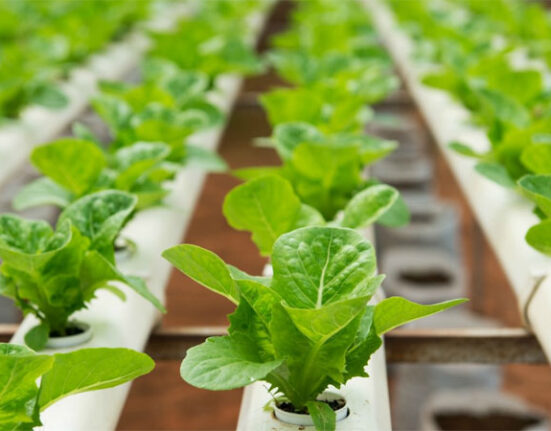


Scientists are taking a closer look at how pathogens may behave in hydroponic lettuce systems, as recent produce-related illness outbreaks renew attention on fresh food safety. Researchers from the University of Arkansas shared findings during the International Association for Food Protection’s annual conference, held July 26-29 in New Orleans. Their work covered several areas of risk management, including pathogen control, soilless growing media, foodborne viruses and safety issues in emerging food and beverage categories. The research underscores the need for preventive controls in controlled-environment agriculture, where crops may avoid soil but can still face contamination risks through water, substrates, handling or processing.
Hydroponic lettuce under review
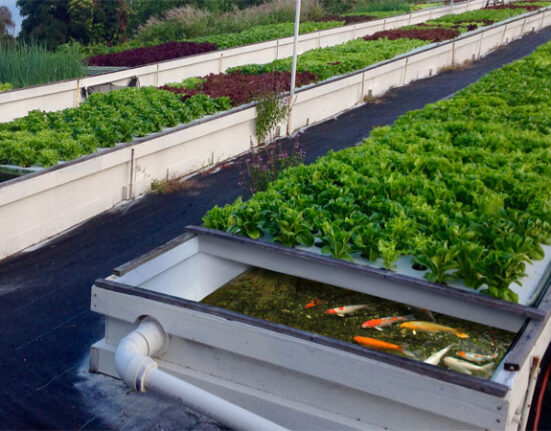
Two University of Arkansas projects focused specifically on controlled-environment lettuce production. Eric Tetteh studied how foodborne pathogens can survive in soilless substrates used for hydroponic lettuce. Gayatri Dhulappanavar examined the potential for foodborne viruses to affect lettuce grown in hydroponic systems.
Both research efforts received support from the U.S. Department of Agriculture and are part of broader work aimed at reducing contamination before products reach consumers.
Outbreak data adds urgency
The presentations came as public health officials tracked a cyclospora outbreak associated with iceberg lettuce from central Mexico. Cited federal data showed that, by Aug. 5, the outbreak had affected 15 states, with more than 6,000 reported illnesses, 278 hospitalizations and two deaths.
Arkansas health officials had recorded 263 cases by Aug. 12, highlighting the local relevance of research into leafy green safety and outbreak prevention.
Broader food safety agenda
The university’s Division of Agriculture delivered seven oral presentations and 12 scientific posters at the event. In addition to hydroponic lettuce, researchers addressed value-added foods, low-moisture products, antimicrobial-resistant Campylobacter in poultry and the safety of alternative beverages.
Other studies explored non-alcoholic beer and plant-based drinks, including microbial stability, spoilage risks, processing methods and shelf-life considerations.
Training the next workforce
Student researchers also contributed, including work on drying technologies for microgreens and how those methods may influence both product quality and safety. University faculty emphasized that international scientific meetings give students a venue to present findings, build professional connections and engage with specialists working to prevent future food recalls.
Leave feedback about this