




A forthcoming trade deal between the UK and Gulf Cooperation Council (GCC) countries has sparked concerns among UK farmers, who fear the agreement could open the market to poultry products raised under significantly lower welfare conditions. Key UK farming representatives warn that importing chicken from Gulf states where animal welfare standards differ notably from British regulations could threaten domestic producers.
Concerns Over Welfare Standards
The trade pact, expected soon though possibly delayed until after Eid al-Adha celebrations, includes Gulf countries such as Saudi Arabia, Bahrain, Kuwait, Oman, Qatar, and the United Arab Emirates. Industry experts highlight that the agreement might allow uncapped chicken imports compliant with hygiene but not necessarily welfare standards, conflicting with stricter UK poultry farming rules.
UK Farming Practices vs Gulf Standards
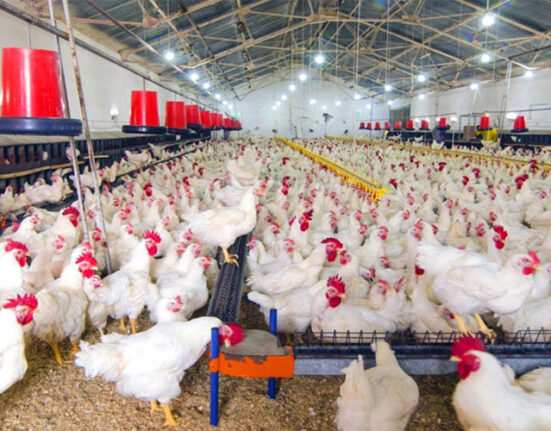
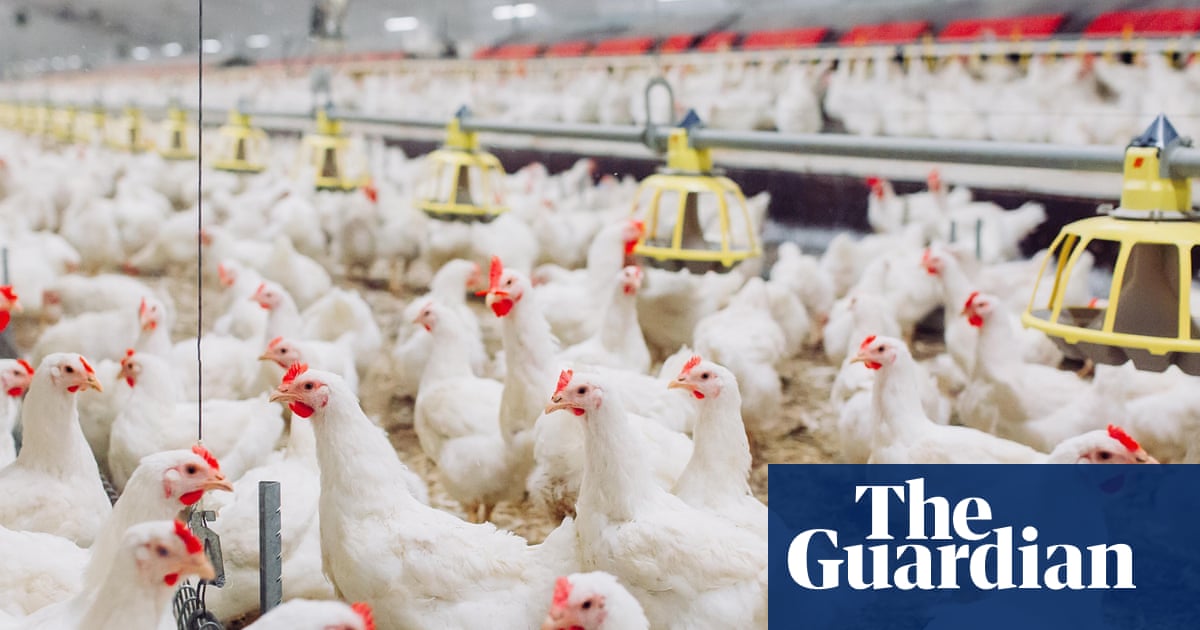
British poultry farmers adhere to rigorous welfare requirements, including minimum space allocations of 750cm² per bird with at least 600cm² usable, enriched environments with perches, and mostly mandatory pre-slaughter stunning. By contrast, Gulf standards offer less than half the space per bird (approx. 300cm²), place no limit on flock density, and rely on non-stunned halal slaughter methods, which although legal in the UK, are rare.
Industry Calls for Government Action
Tom Bradshaw, president of the National Farmers’ Union, asserts that a trade deal permitting such imports would betray government commitments to uphold high UK welfare, environmental, and food safety standards. Bradshaw urges that no trade agreement should undercut British farmers by allowing imports produced under conditions that would be illegal domestically, emphasizing strong public and industry opposition.
Economic and Trade Context
The UK-Gulf deal, championed by trade minister Douglas Alexander, aims to boost trade, particularly benefiting sectors like automotive and financial services, with projections showing a potential 16% increase in trade valued at about £59bn annually. However, human rights advocates have criticized the pact for lacking provisions to improve rights in the Gulf region, while farming representatives focus on preventing low-standard agricultural imports that could undermine UK farmers.
Leave feedback about this