




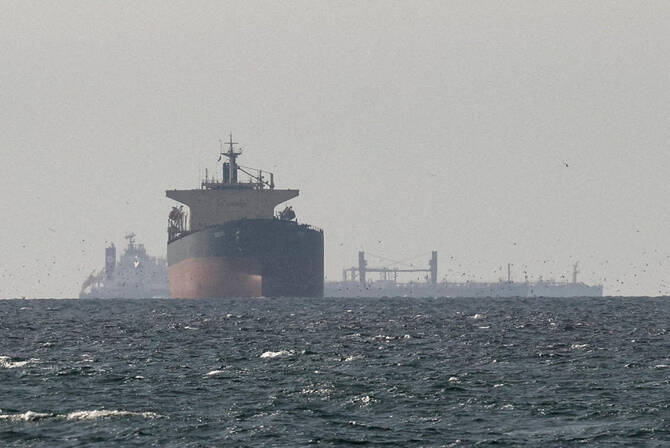
UN Secretary-General Antonio Guterres has initiated a specialized interagency task force designed to secure the uninterrupted passage of fertilizers through the strategic Strait of Hormuz as regional conflict risks jeopardize critical trade routes. This move responds to mounting global concerns over fertilizer shortages just as planting season begins in key agricultural areas worldwide.
Objective of the Task Force
The task force’s mandate is to design and recommend technical measures that facilitate the smooth transit of fertilizer and its raw materials through the strait. It will involve collaboration among various international agencies and maintain close communication with UN member states affected by the situation. The initiative stems from the imperative to preempt disruptions in maritime trade caused by intensifying conflicts in the Middle East.
Engagements with Regional Stakeholders
Recent communications by the UN Secretary-General with officials from Iran, the US, Pakistan, Egypt, and Bahrain underscore the diplomatic effort underpinning the task force’s work. Drawing on precedent, the UN references mechanisms previously effective in conflict zones, such as agreements that ensured continued grain shipments through the Black Sea during the Ukraine crisis.
Global Fertilizer Supply Risks
According to the UN Food and Agriculture Organization, approximately 30% of the world’s fertilizer trade transits the Strait of Hormuz. The FAO’s chief economist warned that the world’s agricultural markets could absorb short-term shocks if the conflict remains brief. However, a blockade lasting longer than a month could severely impact global farming outputs, particularly wheat, rice, and corn production, with a three-month disruption potentially causing widespread agricultural setbacks.
Importance Ahead of Planting Season
The task force’s timely formation aims to mitigate food security risks by ensuring fertilizer availability as the crucial planting season commences across major farming regions. Safeguarding this supply chain is essential to avoid cascading effects on food production and humanitarian needs worldwide.
Leave feedback about this