







Wealthy Gulf countries, heavily dependent on food imports, are confronting a significant food security crisis triggered by the ongoing conflict involving Iran. The war has severely impacted shipping routes through the Strait of Hormuz, a crucial maritime passage for Gulf food supplies. This situation is testing the import-dependent food strategies developed by Gulf nations after the 2008 global food crisis.
Background of Gulf Food Security Strategy
In response to the 2008 surge in food prices, Gulf countries shifted away from costly domestic food production attempts and adopted a strategy focused on securing food through international agricultural investments. Saudi Arabia, for instance, drastically reduced its domestic wheat farming to rely almost fully on imports. This approach has left the region 80 to 90 percent dependent on imported food, heightening vulnerability amid the current instability.
Impact of Shipping Disruptions at Hormuz
The Strait of Hormuz, a narrow but vital waterway, handles over 70 percent of food imports to Gulf Cooperation Council (GCC) countries. Attacks attributed to the conflict have temporarily shut down key ports, including Dubai’s Jebel Ali port, affecting operations for millions of residents. Alternative ports such as Khorfakkan and Fujairah have limited capacity, unable to compensate for the shortfall caused by these closures. Neighboring countries like Qatar, Kuwait, Bahrain, and Iraq face logistical challenges, effectively becoming landlocked and reliant on overland routes through Saudi Arabia, which may cause congestion and delays.
Rising Prices and Supply Challenges for Perishables
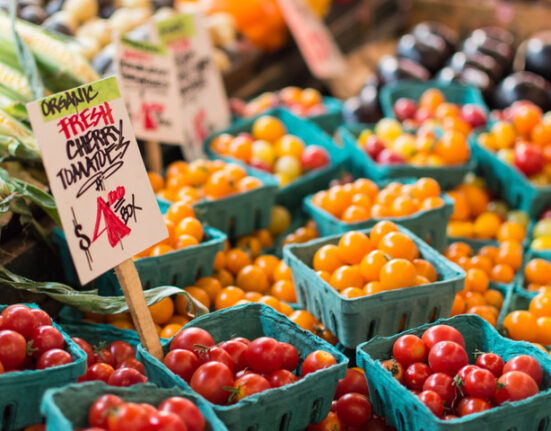
Although strategic reserves in the UAE can cover several months of critical goods, extended disruptions have led to supply delays and inflation for some products. Perishable items like bananas, which require efficient shipping to avoid spoilage, have seen unusual price hikes due to rerouted shipping and closed airspaces. Experts note that flying in perishables or using land transport will increase costs, potentially prompting government subsidies to manage local prices as seen in past crises.
Regional Cooperation and Storage Initiatives
Over the past two decades, Gulf countries have invested in large-scale grain storage facilities to buffer against such supply shocks. The UAE’s Fujairah grain silos, strategically placed outside the Hormuz Strait, exemplify efforts to diversify risk and maintain flexibility in import routes. Though initially intended for shared regional reserves, practical constraints have led to predominantly domestic stockpiling. Effective cooperation among GCC members remains essential to mitigate food shortages, despite the bloc’s historical difficulties coordinating complex logistics across borders.
Close collaboration between Gulf states will be crucial for managing the intricate supply chains and ensuring all countries within the region maintain access to essential food supplies during this conflict-driven crisis.
Leave feedback about this