

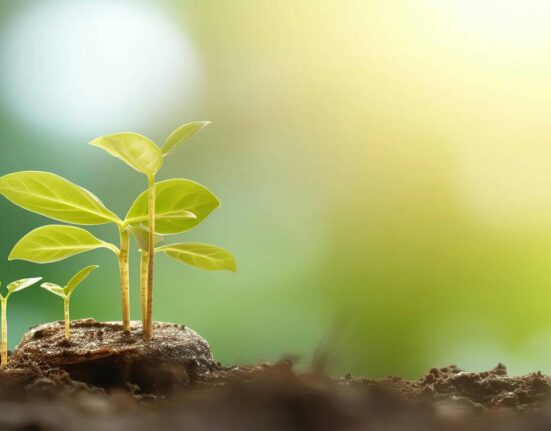
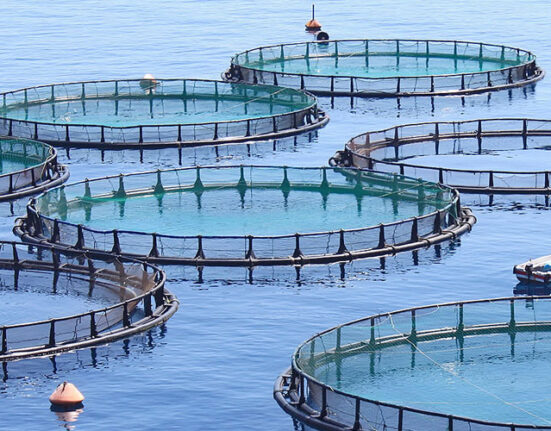
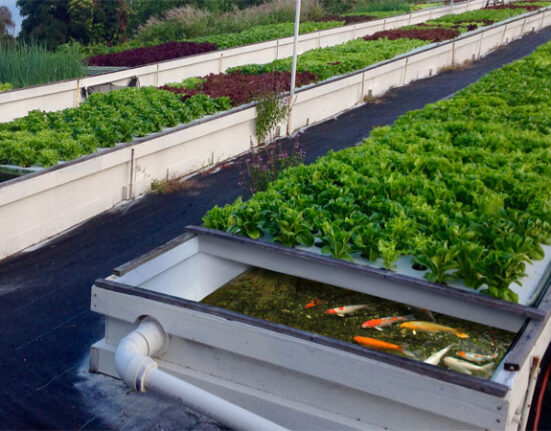
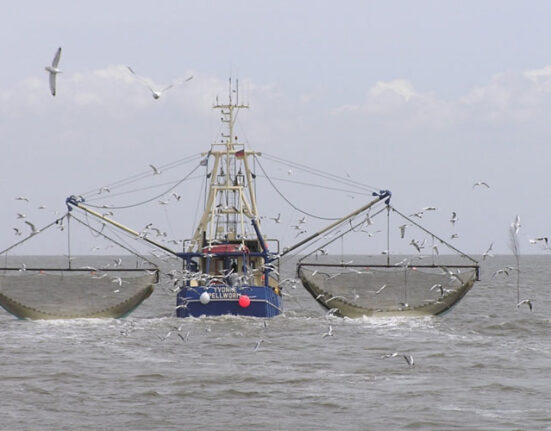



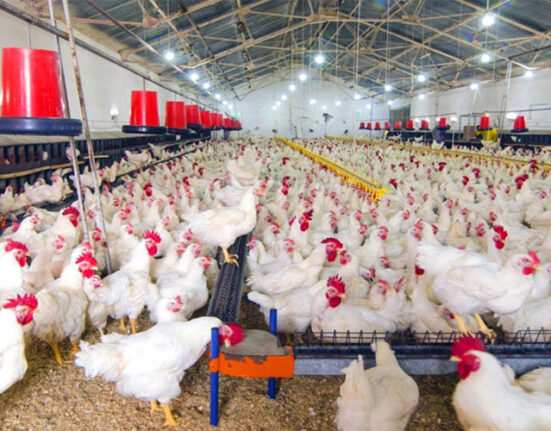
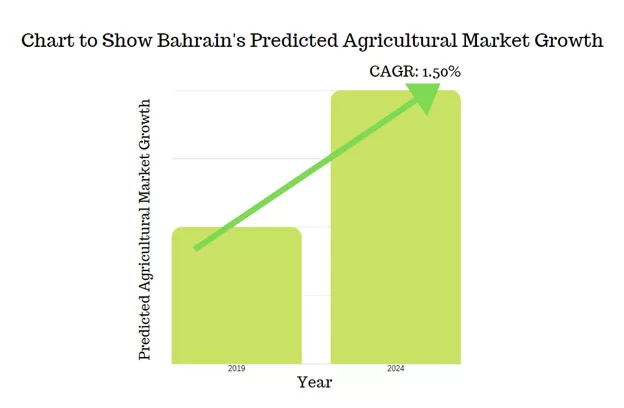
Agriculture was a major and important sector of Bahrain’s economy historically and date cultivation was the main dominant in bahrain’s agriculture producing sufficient dates for the local consumption and export. At least twenty three varieties of dates were grown. Also extensively used were the leaves, branches, buds, and flowers of the date palm. During the period from the 1950s to 1970s, there was a gradual decline in date cultivation due to several factors such as changing food consumption habits and the increasing salinity of the aquifers that served as irrigation sources. By the 1980s, a significant number of palm groves had been replaced by new kinds of agricultural activities, including vegetable gardens, nurseries for trees and flowers, poultry production and dairy farm.
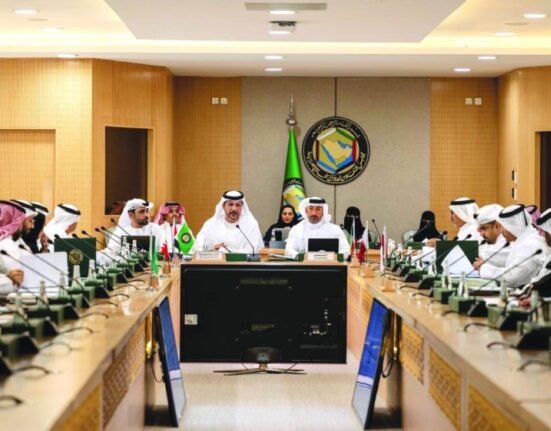
Qatar Joins 34th GCC Agriculture and Food Security Meeting
Qatar joined GCC undersecretaries in a virtual meeting focused on food security, agricultural cooperation, AI in farming and strategic reserves.

UN Security Council to Hold August Debate on Conflict-Linked Food Insecurity
The Security Council is set for a high-level open debate in August on how armed conflict drives acute hunger. Denmark.
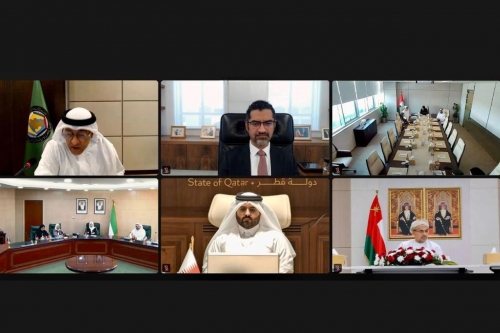
Bahrain Chairs GCC Talks to Bolster Food Security and Strategic Storage
Bahrain chaired a GCC virtual meeting focused on agricultural cooperation and food security, calling for stronger supply chains and expanded.

Global Agrifood Policy Updates Highlight Biosecurity, Consumption Support, and Tariff Changes in Early 2026
In early 2026, governments worldwide intensified biosecurity efforts, expanded seasonal consumption support, and adjusted import tariffs amid evolving agrifood challenges.

Global Agrifood Policy Updates Highlight Biosecurity, Consumption Support, and Tariff Changes in Early 2026
In early 2026, governments worldwide intensified biosecurity efforts, expanded seasonal consumption support, and adjusted import tariffs amid evolving agrifood challenges.
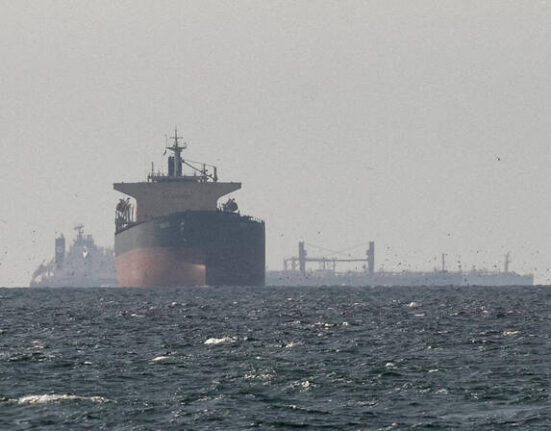
UN Chief Forms Task Force to Ensure Fertilizer Flow Through Strait of Hormuz
UN Secretary-General Antonio Guterres has established a task force to safeguard fertilizer shipments through the Strait of Hormuz amid escalating.