


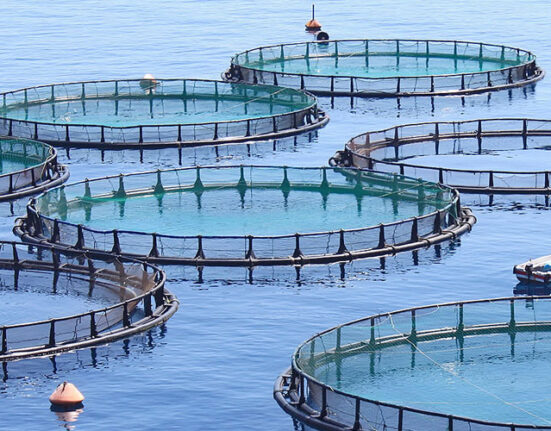








Aquaculture, a fast-growing sector dedicated to cultivating aquatic organisms, faces persistent obstacles such as fluctuating water quality, disease risks, and inefficient feed practices. Traditional monitoring approaches involve manual observations and labor-intensive processes that can delay responses to critical issues. A novel study explores the application of Tiny Machine Learning (TinyML) on low-power edge devices to automate and optimize aquaculture monitoring in real-time.
Integrating TinyML for Automated Monitoring
The proposed system leverages TinyML to enable continuous, automated data collection on vital water parameters including pH, temperature, dissolved oxygen, and ammonia concentrations. Embedded sensors feed this information to compact, energy-efficient edge devices that analyze the data locally, reducing the need for constant human intervention and enabling immediate anomaly detection.
Improved Water Quality and Resource Management
Thanks to real-time insights, the monitoring platform helps maintain optimal environmental conditions within aquaculture spaces. It facilitates better control over water quality and nutrient levels, allowing operators to respond swiftly to any irregularities. This ensures healthier aquatic life and supports efficient resource allocation.
Optimizing Feeding and Reducing Costs
Beyond environmental monitoring, the system supports enhanced feed management by analyzing sensor data trends over time. This enables the refinement of feed distribution strategies, improving feed utilization and lowering operational expenses by minimizing waste and preventing overfeeding.
Considerations and Future Impact
The study emphasizes the importance of sensor selection, algorithm design, hardware limitations, and ethical implications when developing TinyML solutions for aquaculture. Demonstrating tangible benefits, this approach has the potential to foster more sustainable and cost-effective farming practices, ultimately contributing to the aquaculture industry’s advancement.
Leave feedback about this