




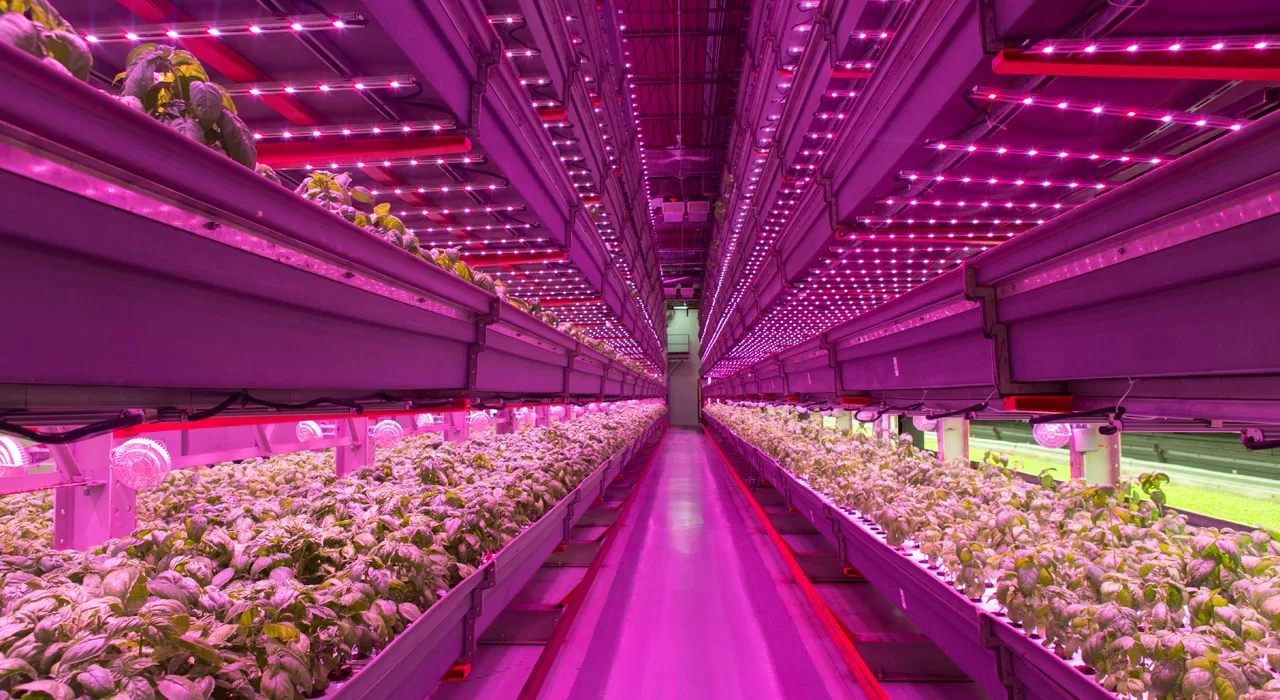
In an era where climate change increasingly threatens global food security, the quest for sustainable agricultural practices is more urgent than ever. Among the promising solutions, aquaponics, which integrates fish farming with hydroponic vegetable cultivation, stands out for its efficiency. However, balancing these complex ecosystems has historically presented challenges. Recent breakthroughs by researchers in a desert nation, where water scarcity severely limits traditional farming, are now demonstrating a viable path toward making aquaponics a truly sustainable and economically sound business model.
Revolutionary Closed-Loop Design
A team led by Professor Amit Gross at Ben-Gurion University, in collaboration with Wageningen University and Research in the Netherlands, has developed a pioneering closed-loop coupled aquaponics system. This innovative approach efficiently recycles fish effluent, going beyond typical aquaponic models. Instead of merely disposing of solid fish waste, their system processes it through anaerobic digestion, recovering valuable energy and nutrients that are then reintegrated into the system. This ingenious design drastically reduces waste, moving towards a near-zero waste operational unit.
Remarkable Efficiency and Resource Conservation
After more than two years of rigorous testing, the system has demonstrated impressive results. It achieved 1.6 times higher plant areal productivity compared to conventional systems. Furthermore, it boasts 2.1 times lower water consumption and uses 16% less energy per kilogram of feed. These significant improvements highlight the system’s potential to address critical resource challenges in food production, particularly in arid regions facing extreme water limitations.
Implications for Global Food Security
The success of this closed-loop aquaponics system has far-reaching implications. Calculations by the research team suggest that scaling up to produce approximately one ton of fish could enable the system to operate without needing external energy input, with less than 1% water exchange, and negligible waste generation. This model also offers substantial carbon sequestration benefits. According to Professor Gross, who published his team’s findings in the journal Resources, Conservation & Recycling, integrating such multi-functional technologies is crucial for feeding a growing global population while simultaneously reducing greenhouse gas emissions. This development could pave the way for sustainable food systems in challenging environments, from remote desert communities to potential future colonies on Mars.