


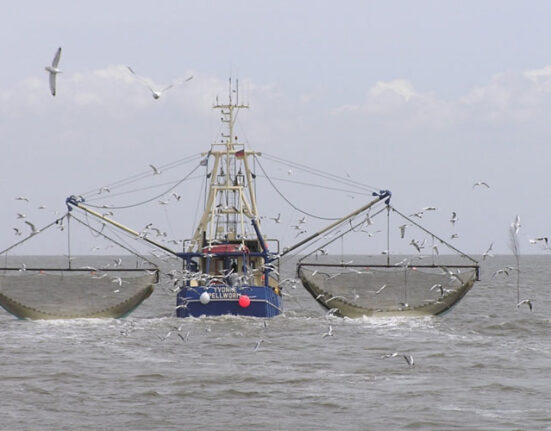

Fish farming across the Gulf Cooperation Council (GCC) is moving from a niche activity toward a strategic food-security sector, supported by government priorities and rising seafood demand. A new market forecast covering 2026 to 2032 estimates the regional fish farming industry will grow steadily, reaching USD 7.92 billion by 2032 from approximately USD 5.03 billion in 2025. The projected pace is about 6.7% compound annual growth. Regional producers are responding to pressure on wild fish stocks and changing consumer preferences, while also investing in technologies that can operate efficiently in water-stressed and challenging climatic conditions. Industry momentum is also being reinforced through cold-chain and processing upgrades designed to improve reliability and margins.
Market size and forecast for 2026-2032
According to the outlook, the GCC fish farming market expands at around a 6.7% CAGR between 2026 and 2032. The base year used for the analysis is 2025, with projections that place the market at USD 7.92 billion by the end of the forecast horizon. The study also highlights marine water farming as the leading segment by environment.
What is driving aquaculture growth in the GCC
Government initiatives under national development agendas are a central catalyst. In Saudi Arabia, aquaculture-related programs are being advanced to reduce dependence on seafood imports, including large-scale projects aligned with Vision 2030. In parallel, the UAE is pushing investment in modern production systems such as recirculating aquaculture and offshore farming to address constraints tied to scarce water resources. Meanwhile, demand growth—fuelled by population expansion, urban lifestyles, and tourism—encourages local operators to scale up production for year-round supply.
Key trends: high-tech systems and premium species
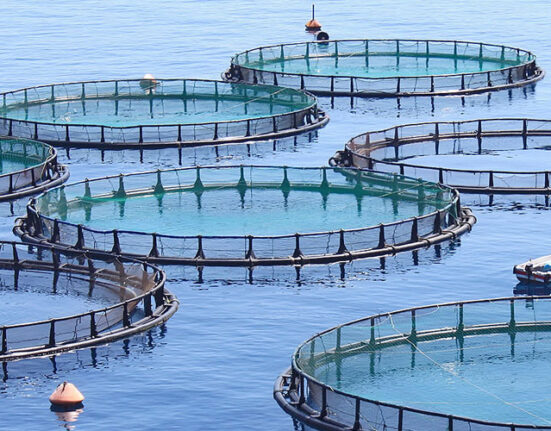
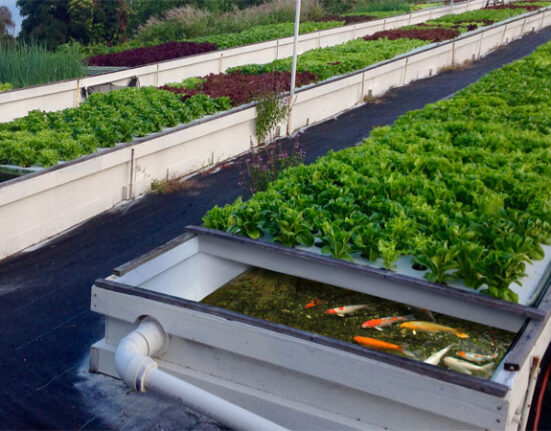
A major trend is technological modernization through recirculating aquaculture systems (RAS) and offshore cage technology. The region is also trending toward value-chain integration, with more attention on processing, cold-chain logistics, and branding. Producers increasingly target higher-value species, including seabass, seabream, and trout, to better match demand from retailers and the hospitality sector.
Challenges that could limit expansion
Despite improving capabilities, the sector faces constraints. Rising production costs—linked to energy-intensive infrastructure such as desalination, as well as feed and fishmeal prices—remain a hurdle. Environmental limitations, including the need to manage highly saline conditions in some areas, can also increase complexity and reduce profitability for smaller operators.
Leave feedback about this