







Bahrain’s import network has been able to keep goods moving despite disruption on major sea routes, but the shift to longer alternatives has raised freight costs and extended delivery times. Importers turned to road links and other backup routes to maintain supplies of food and essential goods when shipping lanes faced uncertainty. Lawmakers say the experience showed both the strength of Bahrain’s logistics system and the need for stronger preparation before the next trade shock. They are urging wider sourcing, larger strategic reserves and ready-to-use land, air and sea options to reduce the impact of future disruption.
Rerouting kept cargo moving
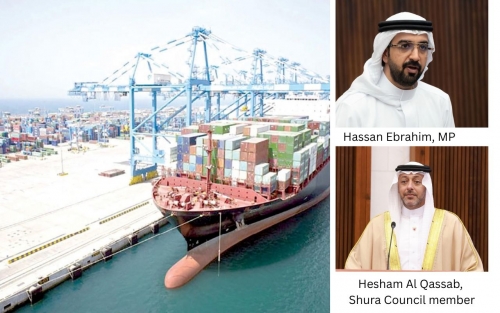
MP Hassan Ebrahim said Bahrain’s ports, transport operators, logistics companies, government agencies and businesses worked in coordination to keep essential supplies entering the country. He said the pressure on key sea lanes demonstrated how quickly delays or diversions can affect trade flows.
Bahrain was able to rely on its port capacity, logistics network and road connection with Saudi Arabia, while wider Gulf cooperation gave traders additional ways to move goods.
Higher costs hit smaller importers
The emergency alternatives came at a financial cost. Longer journeys increased freight bills, while slower deliveries created added pressure for businesses trying to maintain stock. Smaller and medium-sized importers were seen as especially vulnerable because they often have less storage space and fewer resources to absorb sudden cost increases.
Preparedness under review
Shura Council member Hesham Al Qassab said the priority should be reviewing how current laws and procedures perform during crises, rather than immediately introducing new legislation. He pointed to Bahrain’s Maritime Law, issued under Law No. 10 of 2022, as part of the existing framework covering shipping, ports, cargo movement and port security.
He said Bahrain should know in advance what stock is available, which suppliers can be used, how much extra port traffic can be handled and how quickly shipments can be redirected.
Calls for faster response
Al Qassab urged closer coordination between ports, customs, trade groups, food supply authorities and businesses. He also called for faster customs clearance, simplified emergency procedures, early information on alternative routes and temporary financing or guarantees for importers facing sudden freight increases.
Leave feedback about this