



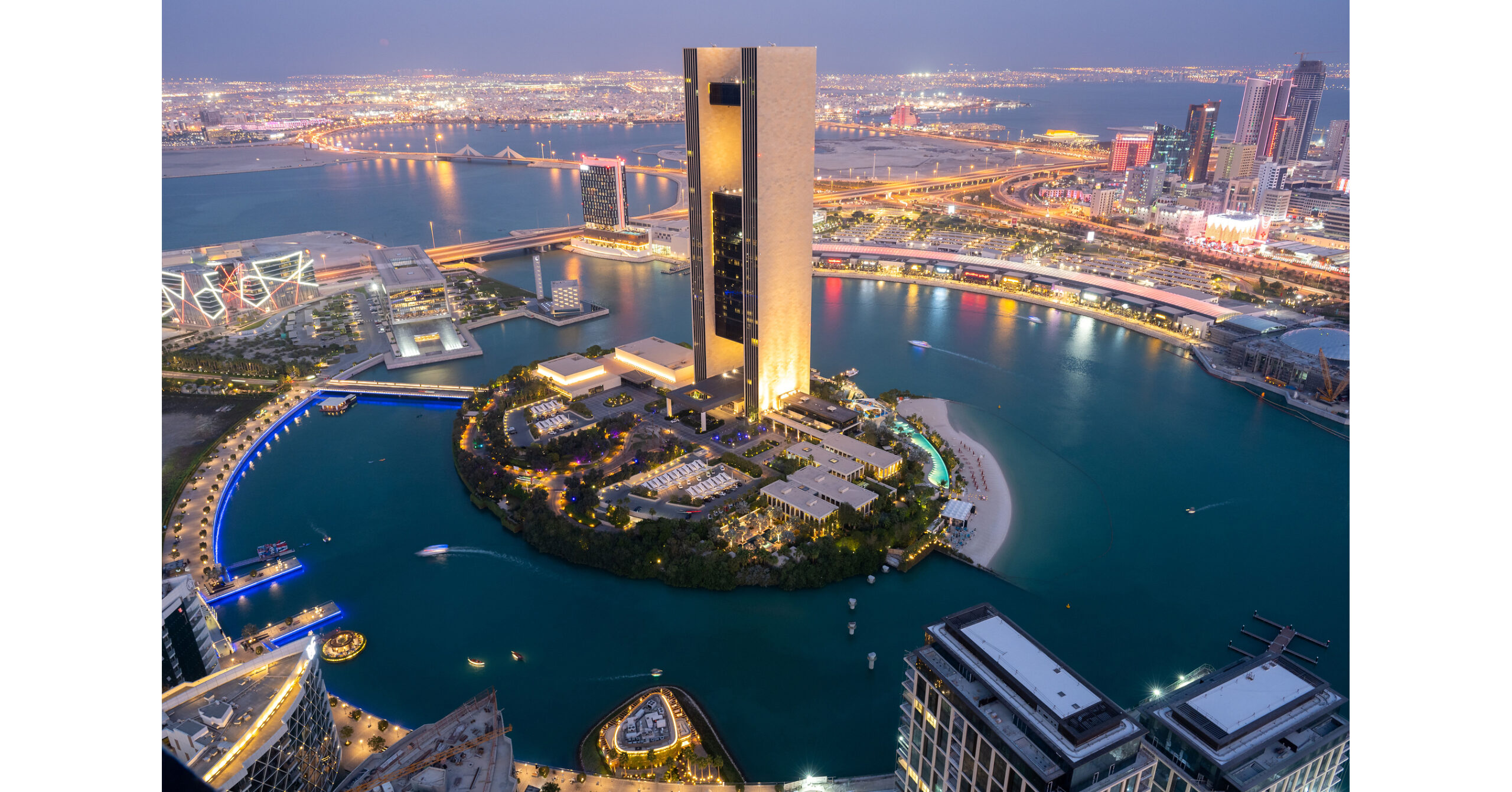
Bahrain has announced USD 3.89 billion in new investment tied to four major projects receiving Golden Licenses during Gateway Gulf 2026. The approvals cover strategic developments in aviation logistics, aircraft maintenance, tourism, real estate and digital infrastructure. Officials said the projects are intended to strengthen Bahrain’s role as a regional investment hub while supporting a broader economic diversification agenda. The announcement came during the fourth Gateway Gulf forum, held on 1 and 2 November 2026 at the Four Seasons Hotel Bahrain Bay, where senior government figures, executives and investors gathered to discuss high-value opportunities across the Gulf.
Major aviation investments
DHL is set to establish a regional maintenance, repair and overhaul facility at Bahrain International Airport. The site will support the company’s expanding fleet and strengthen its Middle East and North Africa operations from Bahrain.
Capital A, the parent company of AirAsia, is also advancing three aviation-related ventures in the kingdom. These plans are expected to improve links with Europe and the Far East, build freight capacity in phases and expand local aircraft maintenance capabilities.
Tourism and waterfront development
A separate Golden License was awarded for a major waterfront project in Amwaj. The development, led by Meliá in partnership with Infracorp, will include a five-star hotel and branded residences under the Meliá name.
The project is designed to add to Bahrain’s premium hospitality and lifestyle offering, supporting the country’s efforts to attract visitors, residents and international investors seeking high-end tourism assets.
Digital City Bahrain
Digital City Bahrain will create a new hub focused on information and communications technology, innovation and education. The project is planned with advanced infrastructure to draw technology companies, support sector growth and deepen Bahrain’s digital economy.
Investment strategy
Bahrain is promoting a collaborative public-private model to accelerate investment and business growth. The country has also continued to invest in digital transformation, regulatory development and workforce readiness. Non-oil activity now represents around 86% of GDP, giving the kingdom a broader base for long-term economic expansion.
Leave feedback about this