
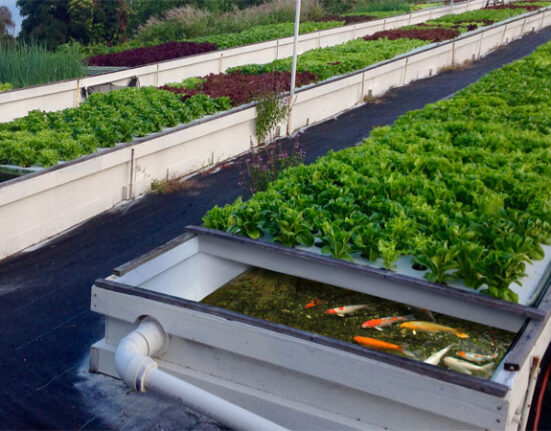
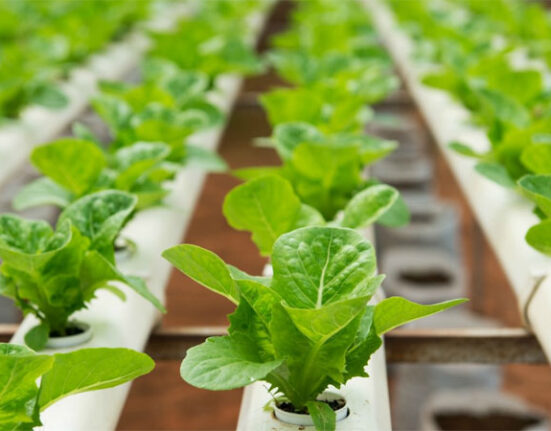

The global aquaponics market is rapidly expanding as sustainable agriculture becomes a critical priority worldwide. Valued at approximately USD 1.9 billion in 2025, the market is forecasted to more than double by 2035, reaching USD 4.6 billion. This anticipated growth marks a compound annual growth rate (CAGR) of 9.2%, propelled by the efficiency of aquaponics systems that combine fish farming with soilless plant cultivation, creating a closed-loop that minimizes resource usage.
Drivers of Market Expansion
Increasing concerns about food security and environmental sustainability have accelerated investment in aquaponics. The approach conserves water and recycles nutrients, providing a viable alternative to traditional farming amid shrinking arable land and freshwater supplies. Urban centers are adopting aquaponics to enable local, organic food production, leveraging vertical farms and controlled environment agriculture (CEA) facilities.
Technological advances also play a significant role. The incorporation of IoT, artificial intelligence for monitoring, and automated nutrient management enhances system performance, allowing for optimized growth conditions and scalability. Additionally, consumer demand for pesticide-free, locally sourced produce fuels the adoption of aquaponics in retail and foodservice sectors.
Regional Market Highlights
North America, led by the U.S. and Canada, is a key region for aquaponics propelled by innovative farming technologies and strong industry-academic collaborations. Europe benefits from supportive sustainability policies and EU funding, with countries such as the Netherlands, Germany, and the U.K. pioneering urban aquaponics and research integration with renewable energy. East Asia is investing in smart agriculture systems to improve resilience in densely populated urban environments. Developing regions like Africa, South Asia, and Latin America are promoting small-scale aquaponic setups to enhance food security and combat climate challenges.
Market Segmentation and Key Challenges
Equipment components in the market include rearing tanks, biofilters, hydroponic subsystems, settling basins, and pumps. Applications span commercial agriculture, home production, research, and community projects. The fish commonly cultivated are tilapia, catfish, carp, and trout, while crops focus mainly on leafy greens, herbs, and various fruits and vegetables.
Challenges facing the sector include the high initial cost of advanced systems, the need for specialized knowledge to maintain optimal nutrient cycling and water quality, regulatory hurdles due to lack of standardized certification, and ongoing energy demands for operations in less stable power regions.
Industry Outlook
The aquaponics sector is marked by a mixture of established players and innovative startups focused on modular, energy-efficient solutions. Companies are leveraging research and development and strategic partnerships to advance the market. Looking ahead, integration with renewable energy sources, smarter farm management via AI, and expansion of community-based initiatives are expected to drive growth, contributing to climate resilience and sustainable food systems over the next decade.
Leave feedback about this