



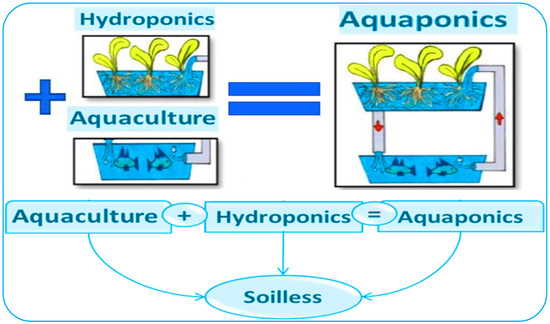
Aquaponics, an innovative agricultural method combining fish farming and soil-less plant cultivation, is gaining global attention as a sustainable solution to food security and water scarcity challenges. By recycling water and nutrients within a closed-loop system, aquaponics maximizes resource efficiency while producing high-quality fish and fresh vegetables.
System Designs and Water Efficiency
The approach involves several aquaponic system types including coupled, decoupled, and multi-loop designs. While coupled systems offer simplicity and flexibility, decoupled and multi-loop systems provide improved control of water parameters but require more technical expertise and higher initial investment. These systems notably reduce water usage by up to 90% compared to traditional agriculture, facilitated by species like Nile tilapia and carp that tolerate dense populations and varying water quality. The hydroponic components—such as media beds and deep water culture—support plant growth by efficiently absorbing nutrients from fish waste.
Technological Integration for Optimization
Automation and smart technologies, including Internet of Things (IoT), artificial intelligence (AI), and big data analytics, are increasingly incorporated in aquaponics to monitor and regulate critical factors such as pH, dissolved oxygen, temperature, and nutrient levels. These advancements enable precise management, enhancing productivity and resource conservation. However, integrating Industry 4.0 technologies poses challenges related to complexity, cost, interoperability, and security, necessitating ongoing research and innovation.
Economic and Environmental Benefits
Aquaponics can be economically viable with proper scaling and location choices, especially in urban and peri-urban settings that reduce transportation costs and emissions. Although initial investment and energy demands—particularly for lighting and temperature control—are significant, innovations like energy-efficient LED lighting and renewable energy integration help improve sustainability. The technology contributes to multiple United Nations Sustainable Development Goals, including food security, health, clean water, and sustainable consumption, while fostering job creation and social empowerment.
Global Adoption and Challenges
Originating from research at the University of the Virgin Islands, aquaponics is expanding in the Americas, Europe (Spain, Denmark, Italy, Germany), Asia, and Africa. It offers promising prospects especially in water-stressed and urban areas. Nonetheless, barriers remain such as lack of organic certification, policy support, skilled workforce, and affordable system designs. More research is needed around nutrient management, polyculture benefits, and system adaptability to diverse environments. Egypt’s development efforts highlight aquaponics’ opportunities for arid and coastal regions.
Overall, aquaponics presents a sustainable, efficient farming practice that integrates technology and ecological principles to promote food sovereignty, reduce water consumption, and advance environmental resilience. Practical application combined with continued innovation will be crucial to unlocking its full global potential.