






Bahrain has been ranked joint first globally for progress in reducing black carbon emissions, achieving a perfect score of 100 in a key category of the 2026 Environmental Performance Index. The result places the kingdom alongside Kuwait at the top of the measure, highlighting advances in tackling a pollutant linked to both poor air quality and climate warming. Bahrain also featured among leading Gulf countries for restricting bottom trawling in national waters, an area closely tied to marine conservation. The findings point to stronger environmental performance across several Gulf states, with Bahrain standing out in measures affecting air, climate and coastal ecosystems.
Perfect score on black carbon
Black carbon is produced when fuels are burned incompletely, creating fine soot-like particles that can damage public health and contribute to rising temperatures. Bahrain’s top score reflects a significant reduction in these emissions under the index’s assessment framework.
The achievement is part of a wider improvement in the country’s environmental standing. Bahrain’s overall Environmental Performance Index score increased by 2.26 points between 2016 and 2026.
Marine protection gains
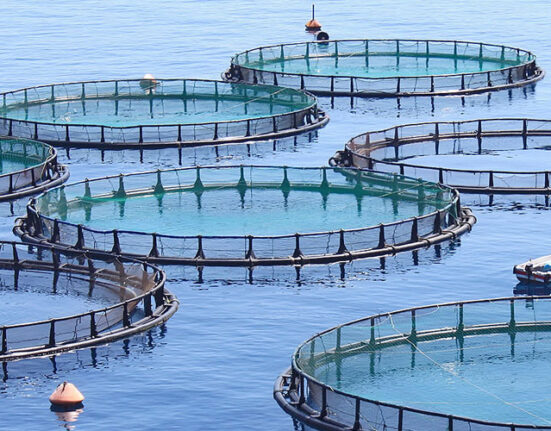
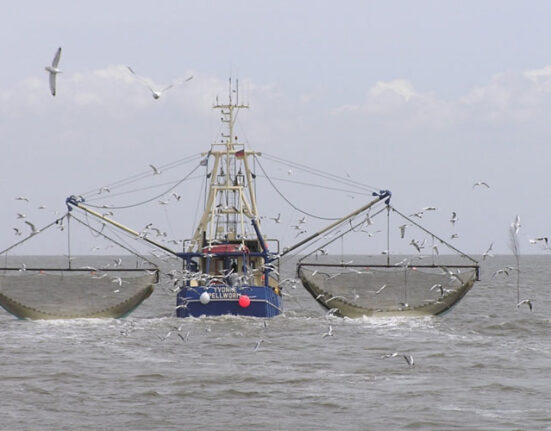
Bahrain was also listed among three Gulf countries ranked first worldwide for limiting bottom trawling within their waters. The practice involves dragging fishing gear along the seabed and can harm habitats, marine species and fish stocks.
Progress in this field supports broader efforts to protect biodiversity and preserve marine resources, both of which are key components of long-term environmental resilience.
GCC scores above world average
The six Gulf Cooperation Council states collectively performed above the global average in the 2026 index. Their mean score reached 42.12 points, compared with a worldwide average of 39.57.
Gulf countries also recorded solid results in waste management, lower household exposure to pollution from solid fuels, air quality indicators, wastewater treatment and ecosystem health.
How the index works
The Environmental Performance Index evaluates 177 countries using 47 indicators across 12 fields. These are grouped under environmental health, ecosystem vitality and climate change policy.
The index is used internationally to compare environmental progress and track how countries are advancing toward sustainability goals.
Leave feedback about this