





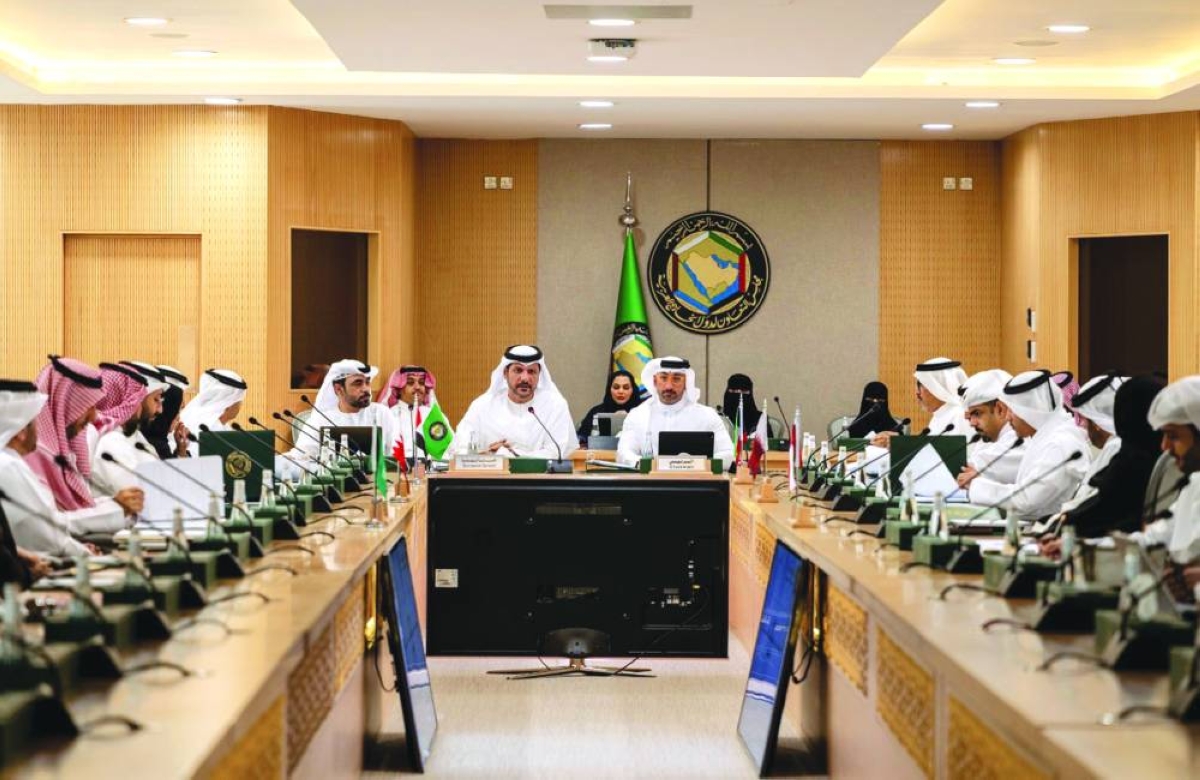
Qatar participated in the 34th meeting of GCC undersecretaries responsible for agriculture and food security, with the virtual session bringing together representatives from member states to review regional priorities in farming, supply resilience and essential goods. Qatar’s delegation was led by HE Ali bin Mohammed al-Ali, Undersecretary of the Ministry of Municipality. His remarks underlined Doha’s support for stronger Gulf coordination at a time when food systems are affected by changing regional and international conditions. The meeting also served as a platform to assess shared initiatives aimed at protecting supplies, improving preparedness and supporting sustainable agricultural development across the GCC.
Focus on regional cooperation
Al-Ali emphasized Qatar’s commitment to active participation in joint Gulf work, particularly in areas linked to agriculture and food security. He pointed to the importance of coordinated policies that help maintain reliable food supplies and strengthen the ability of GCC states to respond to emerging challenges.
He also said continued cooperation is essential as the region adapts to broader global shifts affecting production, logistics and access to vital commodities.
Food security strategy
The Qatari official highlighted the need to keep implementing the Gulf Food Security Strategy, which includes common programmes, projects and initiatives among member states. He noted that Qatar is ready to carry out the tasks and responsibilities assigned to it under the regional framework.
The strategy is intended to support long-term planning, improve coordination and enhance the region’s capacity to manage future risks related to food availability.
Strategic reserves discussed
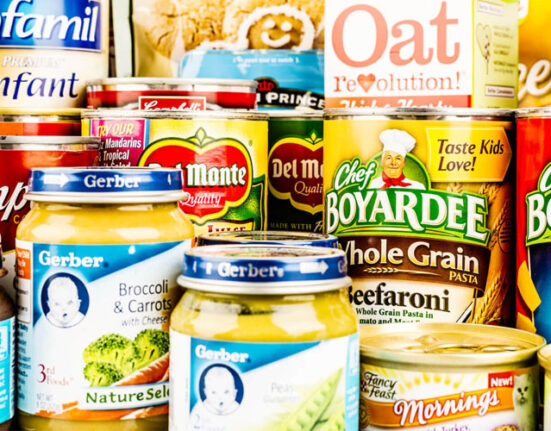
The meeting reviewed efforts to develop Gulf-wide strategic stockpiles covering food, medicines and other essential supplies. Al-Ali welcomed the work being done in this area, saying such reserves would help build a more integrated system for crisis response.
Officials discussed how stronger stockpiling arrangements could improve the resilience of food systems and ensure that critical supplies remain available during emergencies.
Technology and shared standards
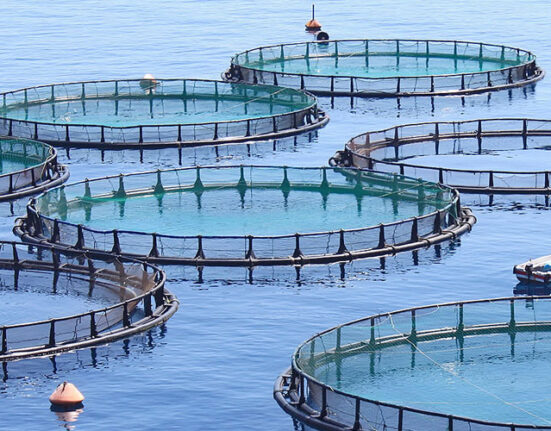
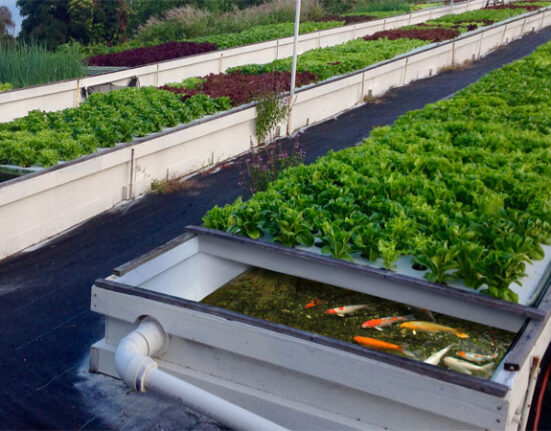
The agenda also included the use of artificial intelligence in farm management and productivity, standard procedures for medicines, vaccines and veterinary products, and cooperation on aquatic and genetic resources. Participants further followed up on decisions issued by the Agricultural Co-operation and Food Security Committee.
Leave feedback about this