




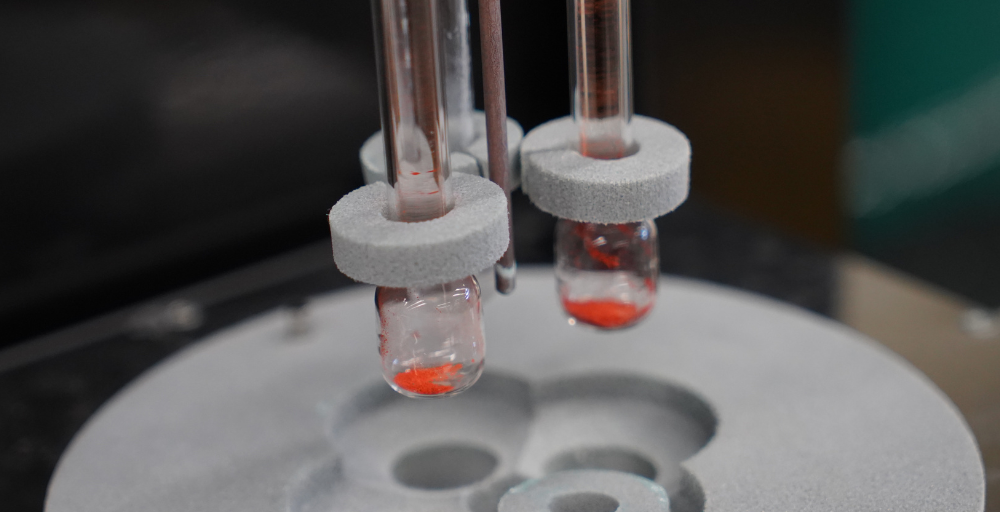
Scientists from the University of South Florida (USF) have created an innovative crystalline material designed to combat harmful red tide algae in Florida’s coastal waters. This light-activated powder works by slowing the growth of Karenia brevis, the algae responsible for red tide outbreaks, which have devastating effects on marine life and human health.
Addressing the Red Tide Challenge
Red tide blooms can lead to massive fish kills and release airborne toxins causing respiratory and eye irritation in humans. The problem is often intensified by hurricanes that stir nutrients from deeper waters, prolonging or magnifying blooms. Recognizing the significant environmental and economic impact of these blooms, USF researchers set out to develop a novel and environmentally safe treatment.
Innovative Sunlight-Activated Material
The research team, combining expertise in chemistry, biology, and sustainability, created a microscopic crystalline structure incorporating bismuth and iodide. Bismuth, a biocompatible metal known for antibacterial qualities, forms the porous framework of the material. The iodide allows activation of the crystals by natural sunlight, producing chemical compounds that target and degrade red tide cells.
This approach is energy-efficient since the material harnesses ambient sunlight without requiring additional power or chemicals. Additionally, it remains stable in seawater, enabling recovery and reuse after deployment.
Safe and Sustainable Solution
The team emphasized environmental safety, ensuring that the material selectively inhibits harmful algae without adversely affecting other marine organisms. This balance is crucial for protecting shared ecosystems while managing damaging blooms effectively.
The research is funded by the National Oceanic and Atmospheric Administration’s Harmful Algal Bloom Control Technologies Incubator, which supports scalable environmentally responsible strategies against harmful algal outbreaks.
Next Steps Toward Real-World Application
Following promising initial laboratory results, the researchers are advancing testing to larger controlled water environments to refine application methods. Their goal is to demonstrate stable, cost-effective performance, supporting future deployment by environmental agencies to curb red tide occurrences along Florida’s Gulf Coast.
USF scientists believe this material represents a tangible, sustainable tool to mitigate one of Florida’s pressing ecological problems, offering hope for improved health of coastal waters, marine ecosystems, and affected communities.