



During Saudi Agriculture 2025, the Netherlands Agricultural Network in the GCC (LAN-GCC) and the Saudi Agrifood Tech Alliance (SAFTA) jointly hosted a prestigious seminar titled “Feeding the Future: Sustainable Protein Solutions for Livestock and Aquaculture.” The event brought together academia, industry players, and Dutch knowledge partners to explore scalable and sustainable alternative protein sources tailored to Saudi Arabia’s environment.
Focus on Alternative Proteins for a Sustainable Future
The seminar emphasized the potential of alternative proteins to enhance food security, promote circular bio-economy models, and strengthen climate resilience within Saudi Arabia and the broader Gulf region. Aligning with the Netherlands Ministry of Agriculture, Fisheries, Food Security and Nature’s priorities, the event reflected Saudi Arabia’s ambition to increase local protein production and improve self-sufficiency through circular resource use.
Insect-Based Feed Ingredients: A Circular Solution
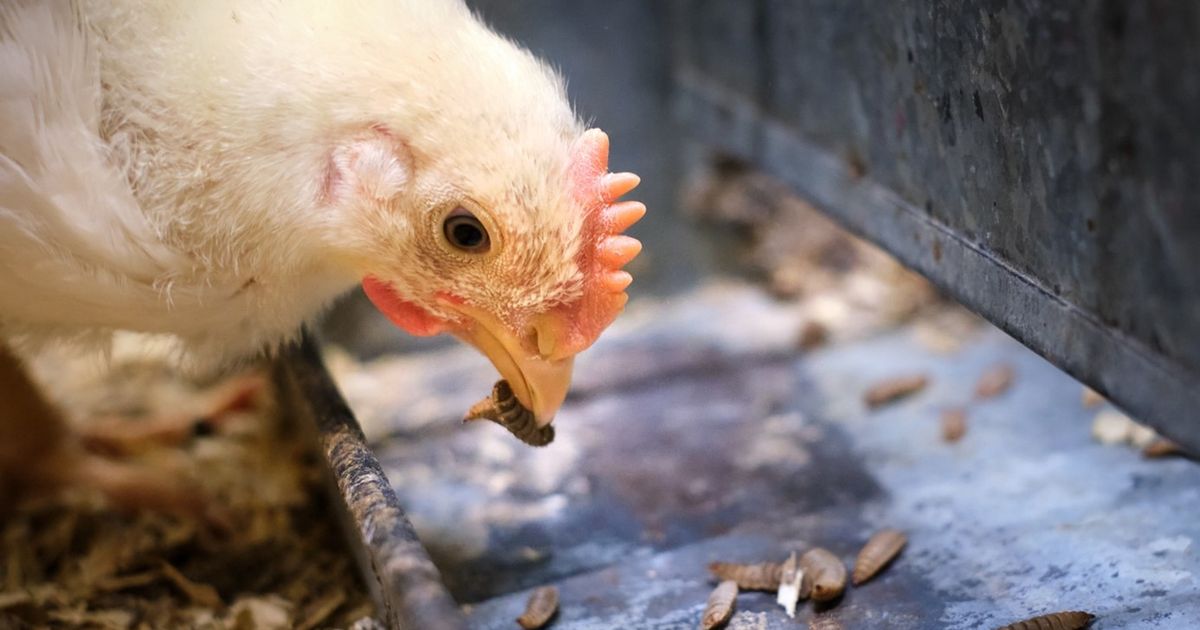
One segment of the seminar focused on insect-derived feed ingredients, including black soldier flies (BSF) and yellow mealworms. These insects efficiently convert organic waste into valuable proteins and oils for animal feed, simultaneously producing frass that can enhance soil fertility. Discussions underscored the necessity for clear regulatory frameworks, covering permissible substrates, traceability, and feed approval processes, to enable safe and competitive local insect production.
Panelists from leading Saudi companies and research institutions addressed challenges and prospects for integrating insects into livestock feed value chains, underscoring opportunities for Dutch-Saudi research collaborations and pilot initiatives.
Algae and Seaweed: Advancing Sustainable Aquafeeds
Another key theme explored the use of microalgae and seaweed as protein, lipid, and functional compound sources in aquaculture diets. These marine organisms also contribute to nutrient recycling in arid coastal areas. Experts highlighted prospects for valorizing agricultural and industrial residues, integrating circular bioproduction methods, and minimizing the ecological footprint of aquafeeds.
The discussions stressed the importance of developing bioeconomic models for seaweed cultivation in arid climates and pilot testing under local environmental conditions. Dutch research institutions stand ready to support feasibility studies, trials, and joint R&D projects with Saudi partners.
Strengthening Bilateral Collaboration
By hosting the seminar in Riyadh, the Netherlands aimed to translate its expertise in circular feed innovation into tangible opportunities for Saudi Arabia. The so-called Dutch Diamond Approach, linking government, knowledge centers, private sectors, and civil society, was acknowledged as vital in supporting sustainable, water-efficient protein systems.
Going forward, LAN-GCC will facilitate cross-border research, knowledge exchange, and sustainable agri-food innovations by working closely with Saudi government bodies, universities, agrifood enterprises, and innovation clusters to enable ongoing cooperation, pilot projects, and investment prospects.
Outlook and Contact
The seminar attracted strong interest from Saudi stakeholders eager to deepen collaboration on insects, algae, and alternative feed technologies with Dutch partners. It generated practical inquiries relating to feed safety, substrate standards, traceability, economic scalability, and local adaptations for pilot designs.
Wageningen University & Research, a leading Dutch institution specializing in livestock, marine research, and circular bio-based systems, shared valuable scientific insights during the event.
For further information or to connect with those involved in the seminar, contact LAN-GCC at RIY-LVVN@minbuza.nl.