




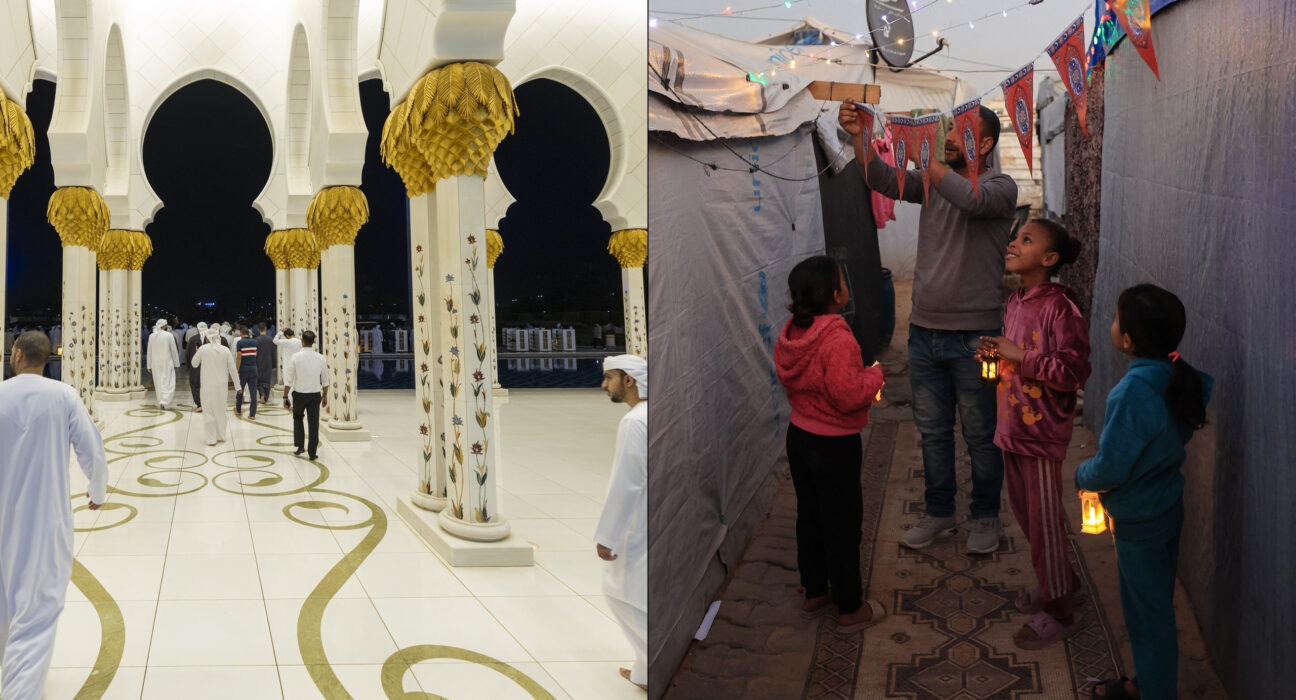
Ramadan marks a significant transformation in daily life throughout the Middle East, characterized by altered work routines and nightly social gatherings around meals. However, the way communities prepare for and experience this holy month reveals stark contrasts across the region, shaped largely by the availability of infrastructure and resources.
Efficient Supply Chains in the Gulf
In Gulf Cooperation Council (GCC) countries, Ramadan preparations are systematic and focused on managing a predictable surge in food demand. With imports typically accounting for about 80-85% of food consumption, these nations rely heavily on coordinated logistics to prevent shortages. Known hubs like Dubai’s Jebel Ali port become critical points for early import surges, often beginning six to eight weeks before Ramadan.
This strategic approach includes stockpiling staple goods such as rice, onions, garlic, nuts, and beverages. Distributors and retailers like Panda, BinDawood, LuLu, and Carrefour increase inventories to meet after-sunset consumption spikes. Additionally, governments employ digital monitoring systems to oversee retail prices across hundreds of outlets, intervening when necessary to limit inflation and maintain price stability during Ramadan.
Lessons from Regional Vulnerabilities
The 2017 diplomatic blockade against Qatar highlighted supply vulnerabilities, prompting Gulf countries to diversify import sources and boost domestic production in some areas. Today, these countries enter Ramadan better prepared, with enhanced redundancy and digital surveillance mitigating risks around food security.
Adapting to Survival in Gaza
Conversely, Palestinians in Gaza face Ramadan amid ongoing humanitarian challenges. The region’s supply depends largely on irregular humanitarian shipments rather than planned logistics, complicating advance preparation. Large-scale aid deliveries and donations from neighboring states attempt to alleviate shortages, but families often struggle with scarcity and high prices.
Despite the hardships, many Gaza residents maintain Ramadan traditions in modified forms, decorating tents and sharing resources despite displacement. Initiatives such as the HeART of Gaza Project strive to provide essential supplies and foster community solidarity during these trying times.
Contrasting Realities, Shared Faith
While the Gulf states manage Ramadan through infrastructure and foresight, Gaza navigates the month through resilience and adaptation. Both experiences underscore the profound cultural and spiritual significance of Ramadan across the Middle East, shaped by vastly different socioeconomic and geopolitical realities.