




Qatar is sharpening its food security strategy around a balanced system that combines stronger domestic production with dependable imports and flexible supply chains. Ministry of Municipality Undersecretary H E Eng. Ali bin Mohammed Al Ali said the country’s approach recognises the limits imposed by climate and natural resources, while focusing on areas where local production can make a major contribution. Speaking on the National Planning Council’s AlTanmiya podcast, he said food security depends on coordinated action across producers, importers, logistics providers and government bodies to ensure essential goods remain available even during periods of disruption.
Balanced supply model
Al Ali said Qatar cannot rely on producing every food item locally, making imports and supply-chain resilience a core part of national planning. The aim is to maintain steady supplies through a mix of local output, international sourcing, strategic reserves and supplier networks.
He pointed to fresh milk and fresh poultry as examples of successful policy support. Qatar has reached full self-sufficiency in dairy products and almost complete self-sufficiency in fresh poultry after measures were introduced to support and protect domestic production.
Private sector at the centre
The next phase will place greater emphasis on expanding the role of private companies. According to Al Ali, the private sector already operates across most parts of the food chain, including production, logistics, importing and distribution.
He said empowering businesses in these areas would reduce pressure on government operations while making the overall system stronger and more responsive.
Coordinated national response
Food security efforts are overseen by the Committee for Follow-up on the Implementation of Food Security Policies, chaired by Minister of Municipality H E Abdullah bin Hamad Al Attiyah. The committee meets twice weekly and includes representatives from key ministries and institutions, including health, commerce, interior, customs, defence and Qatar Ports.
Al Ali said the continued availability of goods in supermarkets, despite a crisis that began in late February, reflects the strength of coordination and planning around essential commodities.
Agriculture targets for 2030
Qatar aims to raise agricultural self-sufficiency to 55% by 2030. Annual agricultural self-sufficiency currently stands at about 49% to 50%, despite a limited growing season from October to April.
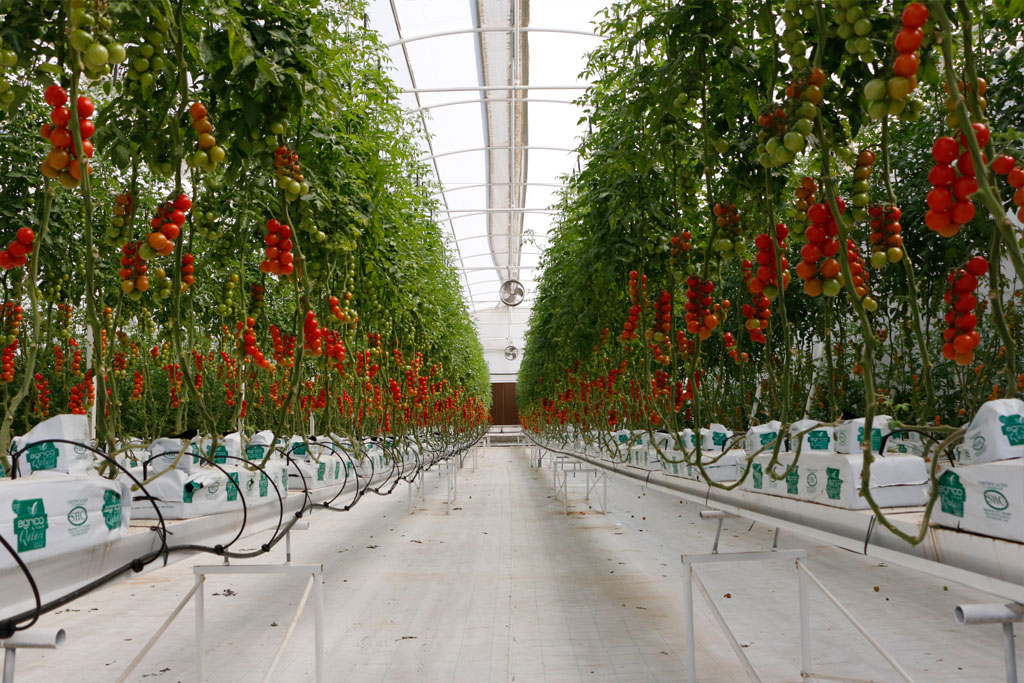
The country has around 1,300 farms, with about 460 active. During peak season, Qatar reaches full self-sufficiency in crops such as tomatoes, cucumbers, eggplants and zucchini. Vegetable production hit 76,000 tonnes in 2025, supported by inputs, training and marketing assistance through Hassad.