




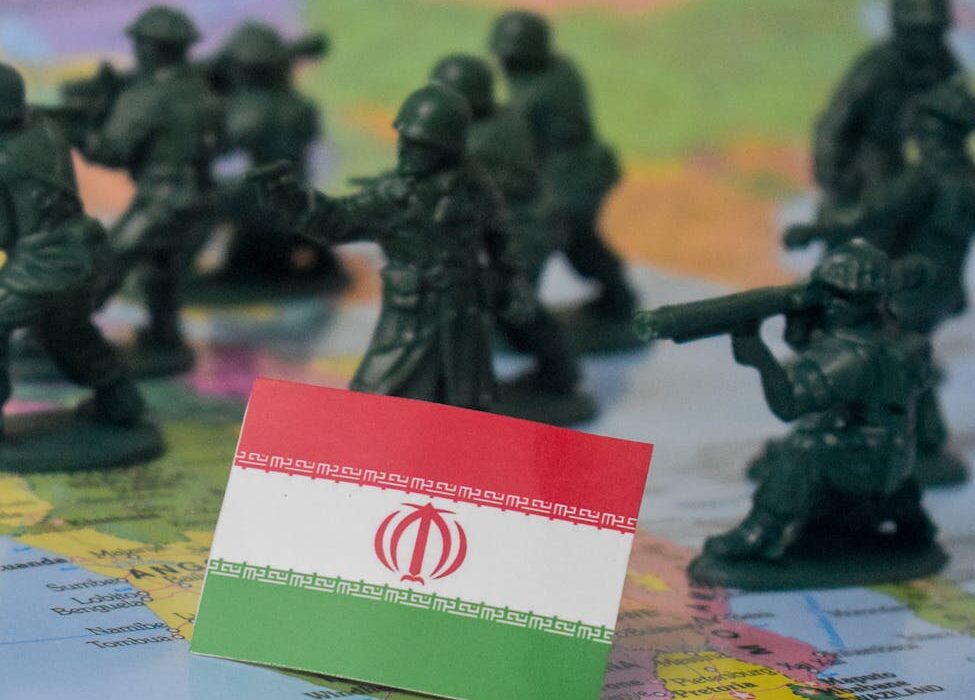
Maersk, the global shipping leader, is actively sustaining critical food and medicine deliveries to Gulf countries through alternative land-bridge transport routes amid disruptions from the Iran conflict, the company’s regional chief confirmed.
The conflict, sparked by U.S.-Israeli strikes on Iran followed by Iranian regional attacks and the closure of the Strait of Hormuz, has severely impacted traditional maritime shipping in the Gulf, causing significant disruptions across global supply chains.
Alternative Land-Bridges Keep Goods Flowing
Maersk is utilizing a network of land-bridge routes connecting key ports in Jeddah (Saudi Arabia), Salalah and Sohar (Oman), and Khor Fakkan (United Arab Emirates). Cargo is first received at these ports and then transported overland to destinations across the Gulf region.
According to Charles van der Steene, Maersk’s Dubai-based managing director for the Middle East, the company is enhancing this network and collaborating with Gulf governments to expedite customs and delivery procedures. He pointed out there remains spare capacity on these alternative routes, even while prioritizing shipments of essential goods like food and medicines.
Capacity Uptick and Regional Dependence
Cargo volumes at the Jeddah port have increased by 40% since the onset of the conflict, indicating the land-bridge network is effectively absorbing former maritime traffic. Prior to the crisis, Maersk handled approximately 35,000 containers weekly in and out of the Gulf region.
The Middle East, particularly the Gulf Cooperation Council countries, relies heavily on imports, sourcing as much as 85% of its food needs from overseas, underscoring the critical importance of secure and efficient supply chains during regional tensions.
Rising Costs and Security Risks
Some alternate routes, including those through Saudi Arabia, were established following prior regional disruptions such as during the Red Sea crisis two years ago. However, the volatile security environment could necessitate rapid adaptations to these logistics pathways.
Fuel, insurance, and transportation costs have risen amid the conflict, driving up overall logistics expenses. Maersk is working closely with Gulf authorities to implement fast-track ‘green lane’ customs and handling procedures to mitigate delays.