




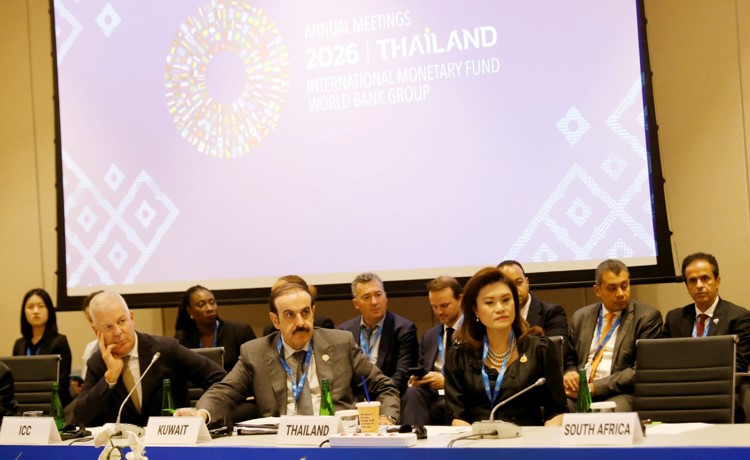
Kuwait is moving to protect essential food imports from potential disruption in the Strait of Hormuz, with emergency measures aimed at keeping supply chains operating and strengthening national reserves. Finance Minister Dr Yaqoub Al-Rifai outlined the steps during Kuwait’s participation in the World Bank Group and International Monetary Fund annual meetings in Bangkok. He noted that the key maritime passage is not only vital for energy exports, but also for the movement of food, fertilizers and other basic goods. Any interruption, he warned, could raise freight costs, slow deliveries and add pressure on import-dependent economies.
Emergency supply measures
The government’s response includes closer coordination between public agencies and private suppliers, efforts to remove logistical bottlenecks and additional support for strategic food stocks. Kuwait is also working with Saudi Arabia and Oman to secure alternative maritime routes should shipping through the Strait face serious constraints.
Officials are also considering subsidies for shipping costs on selected essential imports, a step intended to reduce the financial impact of higher transport charges and keep critical goods available in the local market.
Call for global coordination
Al-Rifai welcomed international initiatives designed to keep essential cargo moving safely through major waterways. He urged stronger cooperation among the United Nations, the World Bank Group, international financial institutions and affected countries to diversify supply routes and limit the wider economic fallout from maritime instability.
Economic talks on the sidelines
During the Bangkok meetings, Al-Rifai held talks with senior Egyptian officials, including Foreign Minister Dr Badr Abdel-Aty and Planning and Economic Development Minister Dr Ahmed Rostom. Discussions focused on expanding economic, financial and investment cooperation, as well as addressing challenges facing Kuwaiti investments in Egypt.
The planned Kuwaiti-Egyptian Joint Higher Committee meeting in November was identified as a platform to advance trade, investment and development ties between the two countries.
World Bank and IFC cooperation
Al-Rifai also met World Bank Group Executive Director Abdulaziz Al-Mulla to discuss training, civil service capacity building and public-sector efficiency. Separate talks with IFC regional official Imad Fakhoury covered private-sector development, support for small and medium-sized enterprises, digital technologies and artificial intelligence. Kuwait is taking part in the annual meetings in Bangkok until October 18.