




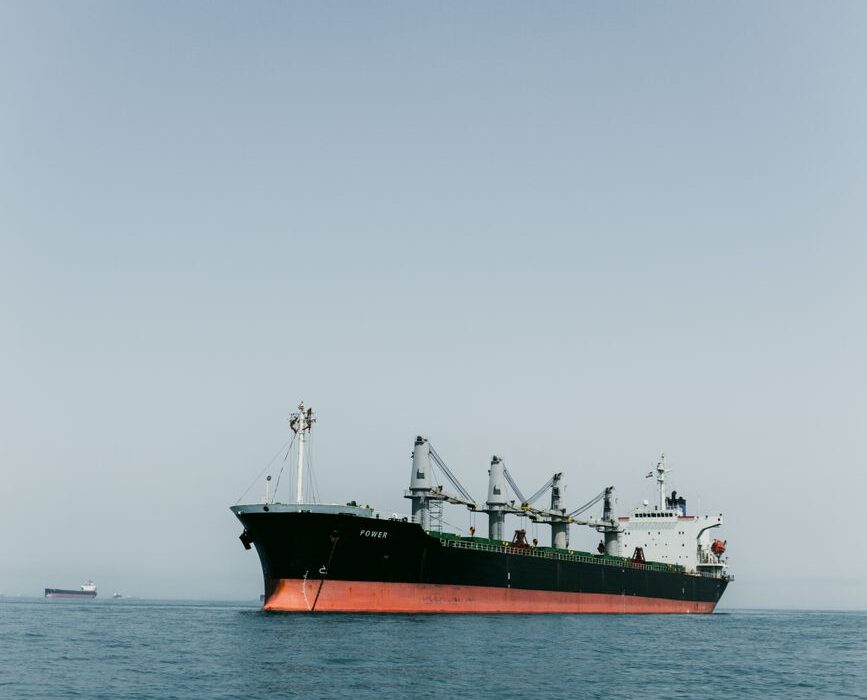
Wealthy Gulf countries are confronting what could become their toughest food security stress test since the 2008 global food crisis. The latest strain comes as the conflict involving Iran threatens key seaborne routes and increases delays for cargo heading into the region. Gulf states depend on large volumes of imported food, and disruptions to maritime logistics can quickly translate into tighter supply chains and rising consumer prices.
After the 2008 crisis, governments shifted toward import-reliant strategies, investing abroad in agricultural production instead of relying primarily on grain output at home. But with shipping routes under pressure again—and with airspace restrictions affecting transport in parts of the wider region—analysts say the buffer mechanisms are likely to be tested within months if disruptions persist.
How import dependence leaves the Gulf exposed
Nearly all food consumed in the Gulf is sourced from abroad, with estimates placing the region at roughly 80% to 90% dependent on imports. A large share of those supplies is believed to move through the Strait of Hormuz, a chokepoint that can magnify the impact of blockages and attacks on shipping.
Hormuz bottlenecks and port capacity limits
Even temporary interference with traffic through the strait can force vessels to reroute to smaller ports, creating knock-on congestion. Major gateways such as Dubai’s Jebel Ali—long described as a lifeline for the wider region—have faced operational disruptions, including suspensions of activity following attacks.
Analysts also point to limited alternatives. Ports outside the strait have smaller throughput, making it difficult to absorb volumes redirected away from Hormuz-dependent routes. In some cases, countries can become effectively reliant on overland supply lines, raising the risk of bottlenecks and higher logistics costs.
Perishables and early signs of price pressure
Officials in the UAE have said strategic reserves could cover several months, but households are still sensitive to even short-term interruptions. Supermarket inventories have generally remained stocked, though replenishment timelines have lengthened for specific products.
Goods that spoil quickly, such as fruit and other perishables, are expected to be especially vulnerable to rerouting and longer journeys. Market watchers also note that panic buying can worsen shortages even before physical supplies run out.
Storage and regional coordination as mitigation
Over the past two decades, Gulf states have expanded grain storage infrastructure, including modern silos designed to act as buffers for longer-lasting staples. The UAE’s Fujairah grain storage on the Indian Ocean coast was developed to help bypass the strait when tensions rise.
Still, experts say shared regional management remains difficult. With Gulf Cooperation Council members and Iraq working across complex logistics networks, coordination will be critical to preventing food shortfalls if shipping disruptions continue.