




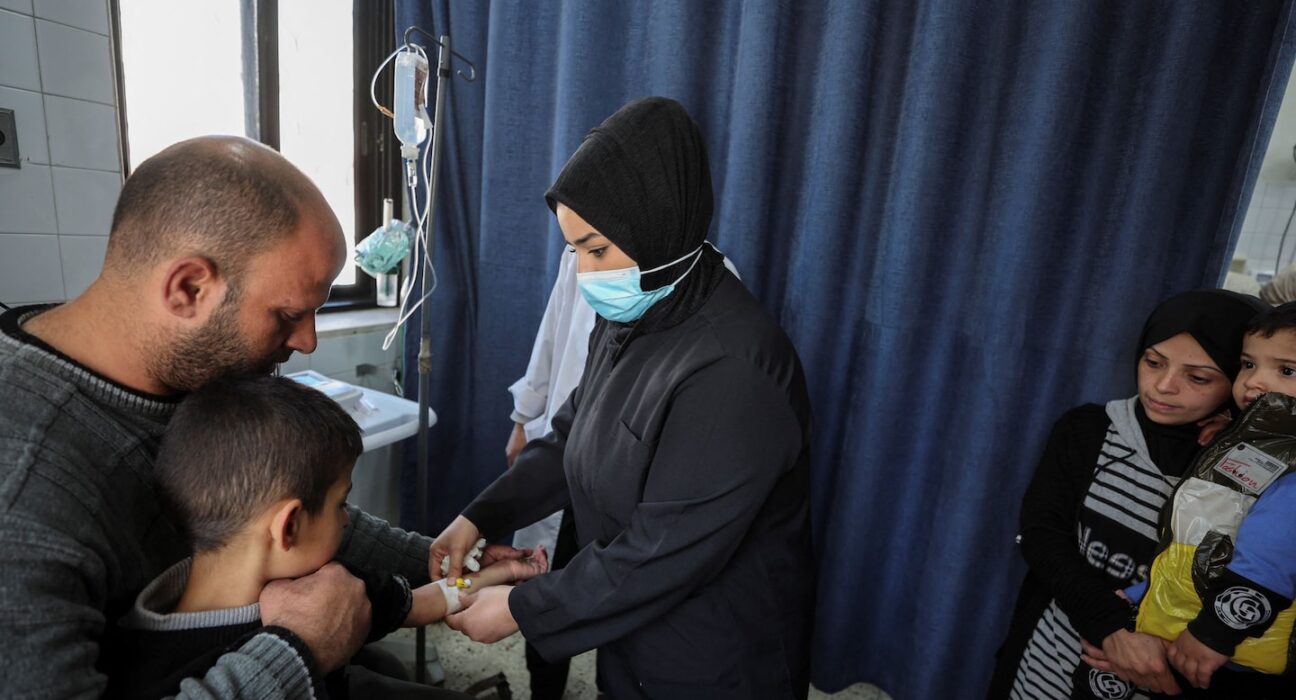
The prolonged conflict linked to Iran has created significant obstacles for the delivery of crucial humanitarian aid including food and medical supplies. Key global aid organizations are struggling to navigate a complex web of disruptions caused by the escalation in the Gulf region.
Blockades and Rising Costs Hamper Aid Efforts
Shipping routes have been heavily disrupted by the ongoing hostilities, particularly targeting vital logistics hubs such as Dubai. This has led to sharply increased fuel and insurance prices, which in turn delay shipments and escalate operational costs for aid organizations. The closure of airports further complicates the timely transportation of essential goods.
Impact on Vulnerable Populations Across Multiple Regions
The World Food Program reports that 10,000 tons of food supplies intended to aid hundreds of thousands of children in Afghanistan remain stranded and undelivered. Similarly, the World Health Organization faces difficulties in dispatching a $6 million consignment of medicines to Gaza amid the turmoil. Meanwhile, Save the Children highlights the risk to about 90 primary health care centers in Sudan that may soon run out of critical medical supplies.
Humanitarian Crisis Intensifies Amid Funding Cuts
This crisis is exacerbated by significant cuts in global aid funding, undermining the ability to respond effectively to growing hunger and health challenges in conflict zones. The interruption of aid not only threatens immediate survival but also endangers long-term development and stability in affected areas such as Afghanistan, Sudan, and Yemen.
Calls for UN and International Support
Humanitarian groups are urging for stronger international coordination and protection of supply routes to ensure that life-saving aid reaches those in dire need. There is increasing concern that the continuation of the conflict without resolution will deepen the suffering of millions caught in its wake.