


The Gulf Cooperation Council (GCC) hydroponics industry is experiencing robust growth, with its market value projected to increase from approximately USD 229 million in 2024 to USD 702 million by 2033. This surge, at a compound annual growth rate (CAGR) of around 13.25%, is fueled by the urgent need for sustainable farming systems in arid environments, governmental initiatives to enhance food security, and growing consumer preference for fresh, locally grown produce.
Hydroponics: A Sustainable Farming Solution for Arid Regions
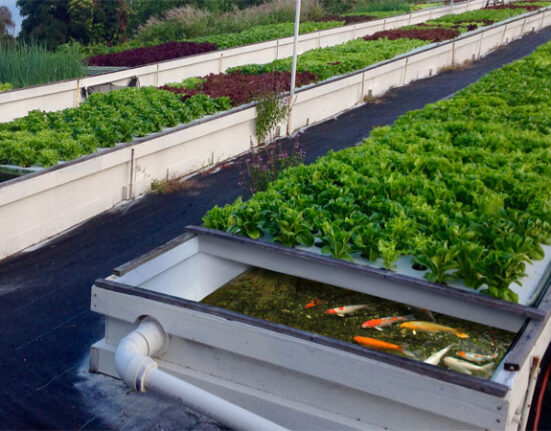
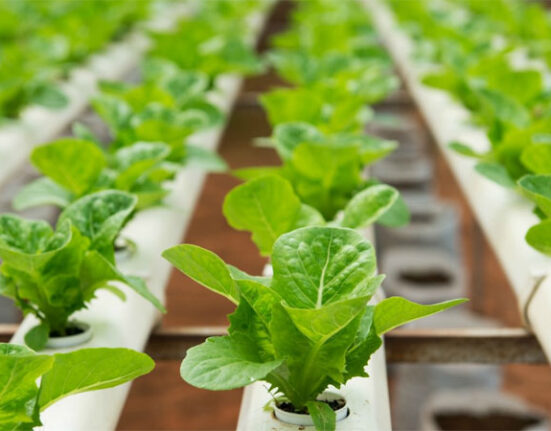
Hydroponics, the soilless cultivation of plants in nutrient-rich water solutions, offers a highly efficient alternative to traditional agriculture, especially in water-scarce areas such as the GCC. By significantly reducing water usage—up to 90% less than conventional farming—hydroponics addresses acute regional water shortages while boosting crop productivity. This method is widely adopted for growing leafy greens, herbs, and fruits, ensuring a reliable year-round supply in the face of harsh climatic conditions.
Government Initiatives and Strategic Investments
Governments across the GCC, including Saudi Arabia, UAE, and Qatar, are driving hydroponic farming expansion through policy support, subsidies, and public-private partnerships. Aligning with broader national agendas like Saudi Vision 2030 and the UAE Food Security Strategy 2051, these efforts focus on reducing import dependencies by fostering local production. Prominent vertical farming projects and AgriTech investments reflect the region’s commitment, highlighted by multi-million-dollar funding rounds and development of state-of-the-art agricultural hubs.
Growing Demand for Fresh and Organic Produce
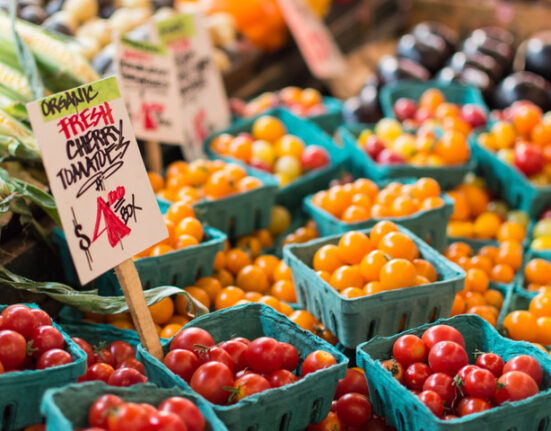
With lifestyle shifts emphasizing health-conscious and organic diets, the demand for pesticide-free, locally grown vegetables and herbs is rising in the GCC. Hydroponics enables urban and commercial farms to meet this need efficiently, shortening supply chains and providing fresh products year-round. The region’s population growth further underscores the necessity for innovative, scalable farming technologies.
Market Segmentation and Regional Insights
The GCC hydroponics market segments include aggregate and liquid systems, with the former favored for its water retention and nutrient delivery capabilities suitable for crops like tomatoes, cucumbers, and lettuce. Liquid systems are gaining traction particularly in vertical and urban farm settings due to faster plant growth. Among countries, the UAE leads with numerous vertical farms and greenhouses, while Saudi Arabia’s investments through large initiatives like Neom position it as a major growth center. Qatar and Bahrain are also progressively adopting these technologies to enhance food resilience.
Challenges Facing the Market Expansion
Despite promising prospects, high setup costs and a shortage of skilled hydroponics technicians restrict broader market penetration, particularly among small-scale producers. Expertise in nutrient and climate management remains critical, with much reliance currently placed on foreign specialists. Addressing these gaps is essential for sustaining growth momentum.
Leave feedback about this