



The Gulf Cooperation Council is moving to deepen regional coordination in electricity and water infrastructure, with senior officials reviewing plans aimed at improving the reliability of vital services across member states. GCC Secretary General Jasem Mohamed Albudaiwi said strengthening the Gulf electricity interconnection network and assessing a potential water interconnection project are key steps toward a more integrated and resilient regional system. He said the initiatives reflect a shared leadership vision to enhance preparedness, protect essential resources and support long-term development amid changing regional conditions.
Strategic focus on essential services
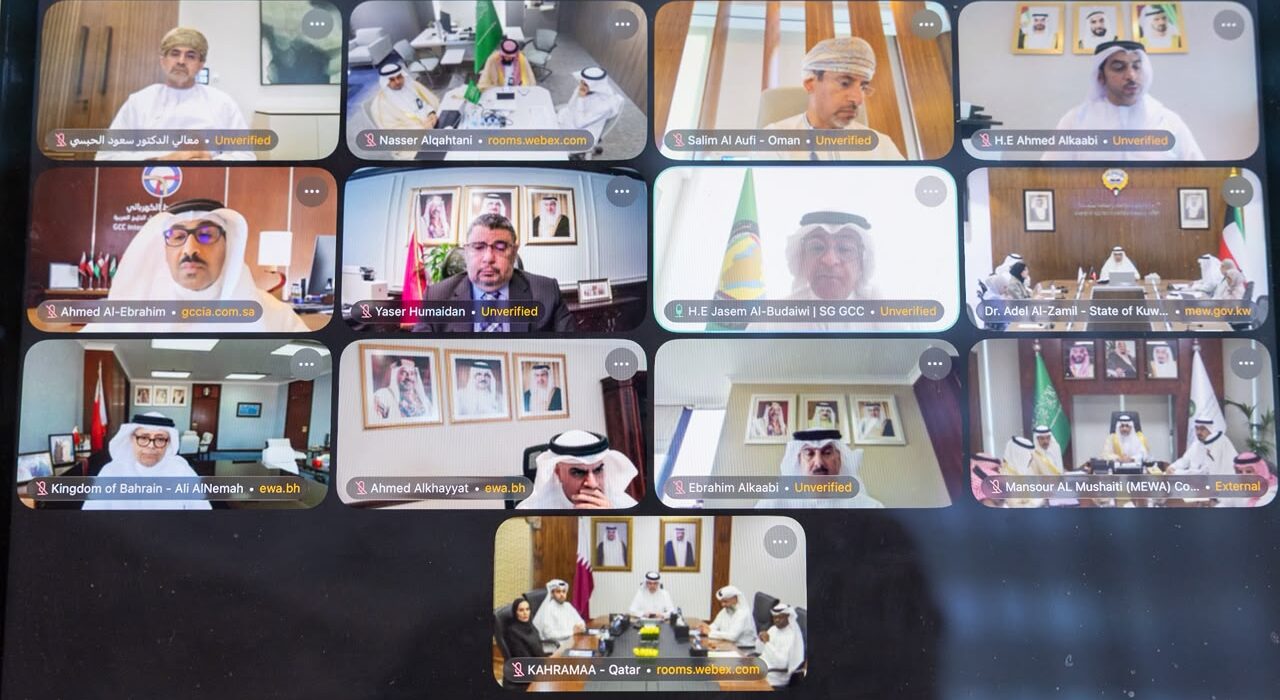
Albudaiwi addressed the extraordinary meeting of the GCC Electricity and Water Cooperation Committee, held by video conference on Thursday, 5 November 2026. The session was chaired by Bahrain’s Minister of Electricity and Water Affairs, Yaser bin Ebrahim Humaidan, who currently heads the committee.
The discussions focused on strengthening cooperation in sectors viewed as fundamental to economic stability, public service continuity and development security in the Gulf states.
Follow-up to GCC leadership decisions
The meeting formed part of efforts to implement decisions made by GCC leaders during the 19th Consultative Meeting in Jeddah on 28 April 2026. Those decisions called for advancing joint projects in strategic fields, particularly electricity and water.
Albudaiwi said closer coordination in managing critical resources would improve infrastructure readiness and increase the ability of member states to respond effectively to different circumstances.
Water and power studies reviewed
Two main items were examined during the session: the results of a study into possible water interconnection projects between GCC countries, and a separate study on upgrading the existing Gulf electricity interconnection system.
The Secretary General said these projects could provide practical support for Gulf integration while strengthening cooperation in sectors that directly affect citizens, economies and public services.
Next steps toward recommendations
The GCC General Secretariat has worked with member states, relevant authorities, the GCC Interconnection Authority and a specialist consultancy firm to prepare the technical studies. The process included workshops, bilateral meetings, data collection and reviews of technical observations.
Officials also discussed the study outputs at an undersecretaries’ meeting on 20 October 2026. Albudaiwi called for building on this work to develop practical recommendations that can be submitted to the GCC Supreme Council.