




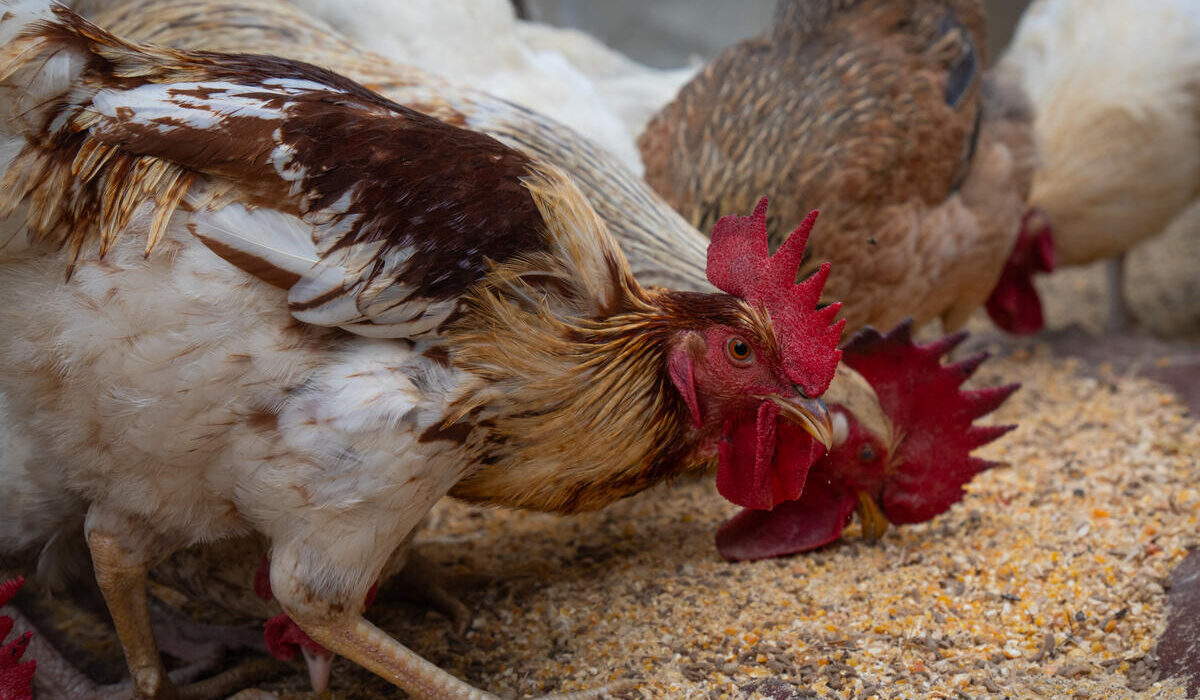
A new global assessment of livestock production finds the sector remains central to diets and rural economies, supplying about one-third of the world’s protein through meat, milk and eggs. It says production systems are changing rapidly as demand rises, cropland expansion slows and pressure grows to reduce deforestation, emissions and competition between animal feed and food crops. The findings stress that local conditions vary widely, from intensive feedlots to grassland-based herds and mixed farms that combine crops and animals. Rather than promoting one model, the assessment points to different social, economic and environmental trade-offs that policymakers must weigh carefully in context.
Livestock’s contribution to diets
Mixed crop-livestock systems and poultry operations each provide roughly 30 percent of global livestock-derived protein. Pig systems account for about 19 percent, grazing systems 12 percent and feedlots around 3 percent. Animal-source foods make up more than half of protein supplies in parts of the Americas, Europe, Australia and New Zealand, but less than 18 percent in Africa.
Markets remain mostly local
The report underlines that livestock is strongly tied to domestic and local markets. Only about 15 percent of meat, 12 percent of milk and dairy products, and 3 percent of eggs are traded internationally. The sector also represents a major economic force, generating around 40 percent of global agricultural GDP, estimated at about $1.8 trillion.
Pressure to produce differently
Production of terrestrial animal-source foods has increased more than fivefold since 1961. Rising demand is encouraging more intensive mixed systems and a shift toward poultry and other monogastric animals, which can be more efficient in land use. At the same time, producers are expected to rely more on agroindustrial by-products, non-conventional feed sources, grasslands and marginal lands.
Environmental and health challenges
Livestock systems are estimated to contribute 12 percent of human-caused greenhouse gas emissions, with cattle and methane from digestion playing a major role. The report also highlights concerns including water and land use, animal disease, antimicrobial resistance, productivity gaps and welfare. It says livestock can support a circular bioeconomy when waste and by-products are converted into fertilizer, bioenergy and biomaterials.