






The newly released report, “The Global AgTech (Agricultural Technology) and Advanced Food Technologies Market 2026-2036,” presents a thorough examination of the evolving agricultural technology sector. It delivers valuable insights into market dynamics, emerging innovations, funding patterns, and the competitive environment across a broad spectrum of agritech segments.
Market Growth and Digital Transformation
The agricultural technology market is witnessing pronounced expansion driven by several factors. The integration of digital tools such as precision agriculture, Internet of Things (IoT) sensors, and advanced data analytics is enabling farmers to enhance crop yields, minimize input expenses, and lessen environmental impacts. Significant venture capital investment continues to fuel startups focusing on vertical farming, biotechnology, smart farming solutions, and alternative proteins.
Regional Analysis and Market Forecasts
The report details market sizing and provides forecasts up to 2036 across key regions including North America, Europe, Asia-Pacific, Latin America, and the Middle East and Africa. It identifies region-specific growth catalysts, regulatory frameworks, and opportunities, offering stakeholders guidance tailored to geographic markets.
Technology Segments Overview
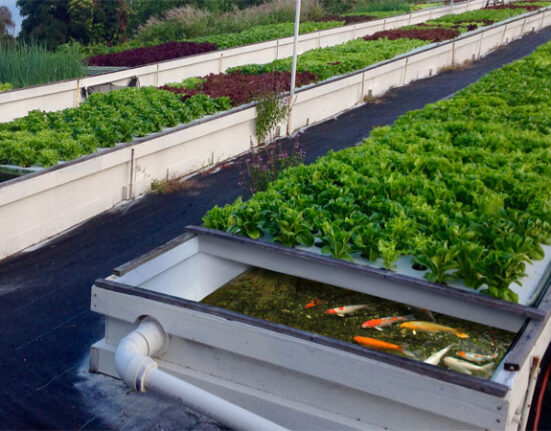
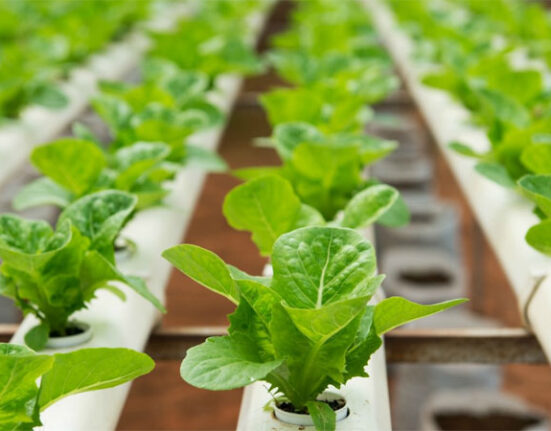
Vertical farming technologies analyzed include hydroponics, aeroponics, aquaponics, LED lighting, automation, and container farms, with detailed assessments of revenue, costs, and profitability impacts linked to energy improvements. Crop biotechnology discussions cover gene editing techniques like CRISPR-Cas9, synthetic biology, selective breeding, and seed treatments. Smart farming incorporates robotics, autonomous machinery, drone and satellite imaging, precision livestock farming, and supply chain tech driven by AI and machine learning. The biologicals sector explores biostimulants, biopesticides, and biofertilizers as eco-friendly alternatives gaining adoption. Advanced food technologies cover cultivated meats, plant-based and fermentation-derived proteins, novel ingredients, manufacturing challenges, regulations, and consumer trends.
Comprehensive Company Profiles
The report profiles over 500 companies spanning established agribusiness giants to innovative startups, providing strategic insights on their technology capabilities, commercialization progress, funding status, and partnerships.
Investment and Market Challenges
The analysis includes investment trends from 2020 to 2025 and identifies challenges such as high initial investments, regulatory uncertainties, digital infrastructure gaps, cybersecurity concerns, and adoption barriers. Key growth drivers include precision farming, livestock wellness, supply chain optimization, urban and vertical farming, as well as sustainable aquaculture and carbon capture technologies.
For additional details and to access the full report, interested parties can visit the report page via ResearchAndMarkets.com.
Leave feedback about this