




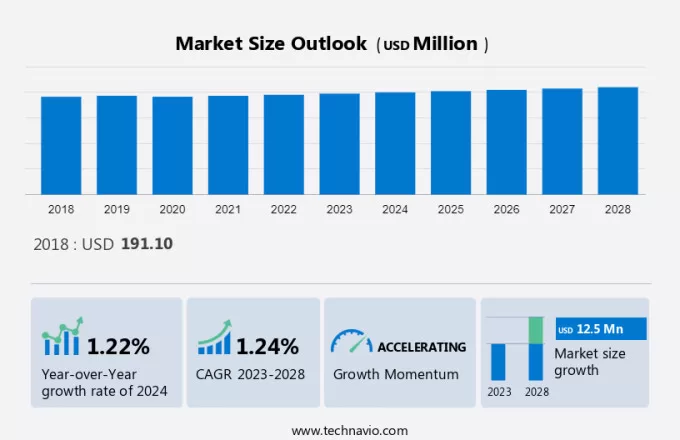
Bahrain’s agricultural market is poised for growth, with an estimated expansion of USD 12.5 million from 2023 to 2028, representing a compound annual growth rate (CAGR) of 1.24%. This positive trend is largely driven by robust government support aimed at enhancing local food production and a growing embrace of efficient farming techniques such as horticulture. However, the sector faces significant environmental challenges, particularly the decline in arable land, requiring continuous innovation and strategic adaptation for sustained progress.
Government Drives Local Production
A primary catalyst for Bahrain’s agricultural growth is the government’s dedicated commitment to bolstering food security through increased domestic output. Key initiatives include a new national production strategy and the “AGRO.BH” platform. This digital resource centralizes vital data, offers investment incentives, and supports research, providing comprehensive information on agricultural trends, climate, soil, and water. These tools are instrumental in informed decision-making and fostering sector development.
Horticulture: A Sustainable Trend
The increasing focus on horticulture represents a significant trend in Bahrain’s agriculture. Farmers are increasingly adopting this method due to its cost-effectiveness, sustainability, and reduced demands for land and water resources. This approach effectively maximizes crop yields with limited local resources, positively impacting the nation’s food supply and strengthening the agricultural industry.
Arable Land Loss: A Key Challenge
A major impediment to market growth is the dwindling availability of arable land. Over recent decades, factors such as rising soil salinity, urbanization, industrial expansion, and increased energy demands have led to the conversion and degradation of agricultural areas. This reduction in suitable cultivation land directly affects crop production and poses a substantial long-term challenge for the sector.
Strengthening Animal Produce
The animal produce segment, valued at USD 81.60 million in 2018, remains vital. Bahrain has historically relied heavily on imports for livestock and dairy, facing competition from other Gulf nations. To boost national food security and reduce foreign dependence, the government actively collaborates to support and develop both the agriculture and fisheries sectors.