




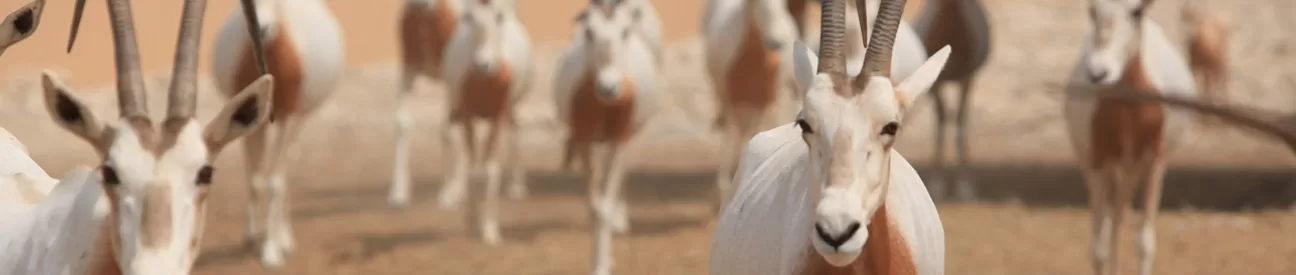
The Supreme Council for the Environment (SCE) in Bahrain is committed to safeguarding the country’s diverse wildlife and marine habitats. Since its inception, the council has successfully designated six distinct natural sanctuaries, reflecting its dedication to environmental protection. These efforts underscore Bahrain’s commitment to maintaining its ecological balance and preserving its natural heritage for future generations.
Bahrain’s Protected Natural Areas
Among the six areas established for conservation, five are vital marine protected zones. These include the Hawar Islands, spanning an impressive 51.4 square kilometers; Tubli Bay, covering 13.5 square kilometers; Arad Bay, at 0.5 square kilometers; Mashtan Island, encompassing 2.5 square kilometers; and Hayr Bulthamah, extending over 7.8 square kilometers. In addition to these marine reserves, Al Areen stands as the nation’s sole terrestrial wildlife reserve, protecting a significant area of 5.4 square kilometers.
Key Initiatives for Species and Ecosystems
The SCE has introduced several impactful environmental projects and programs focused on conserving Bahrain’s biodiversity. A notable measure includes a comprehensive ban on fishing for vulnerable marine species such as turtles, dolphins, and dugongs, aiming to protect their populations. Furthermore, the council has developed extensive plans and strategies, with the National Biodiversity Strategy and Action Plan serving as a cornerstone for maintaining biological diversity across the kingdom.
Preserving Unique Heritage and Habitats
Another significant achievement is the establishment of a botanical garden within the Al Areen Wildlife Park, dedicated to cultivating and preserving indigenous wild plant species. Building on consistent efforts, Bahrain also secured the inscription of the Pearl Route Project on the World Heritage list by the World Heritage Committee during its 36th session. This project is crucial for documenting Bahrain’s maritime heritage, particularly the traditional diving profession, and incorporates a protected marine natural reserve specifically for oyster habitats, known as ‘hayrat.’ This reserve represents one of the largest and first of its kind in the Arabian Gulf dedicated to the preservation of oyster beds.