







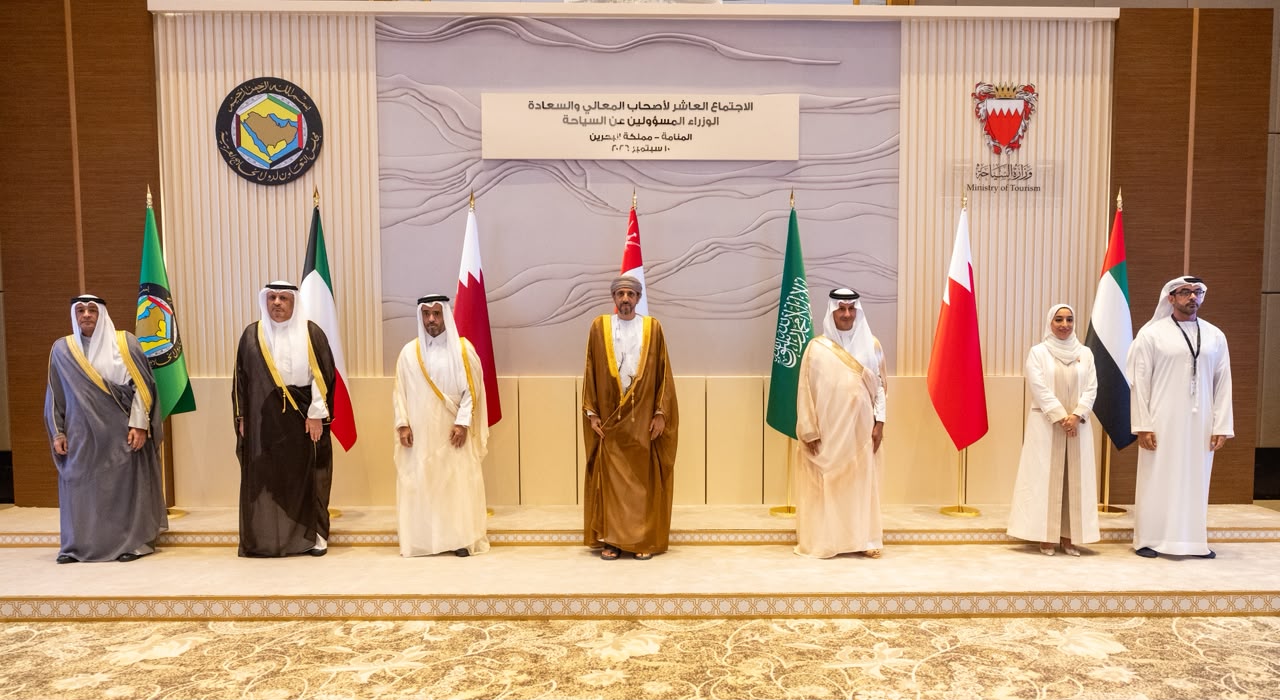
Gulf Cooperation Council states are working to position the region as a more connected and competitive tourism destination, with officials emphasizing joint planning, stronger resilience and deeper integration across national markets. GCC Secretary General Jasem Mohamed Albudaiwi said the bloc’s tourism vision goes beyond promoting six separate destinations and aims to create a unified Gulf ecosystem with varied attractions and shared opportunities. His remarks came during the 10th meeting of GCC tourism ministers in Manama on 10 September 2026, where regional leaders reviewed sector performance, current challenges and priorities under the GCC Tourism Strategy for 2023–2030.
Ministers Meet in Manama
The meeting was chaired by Bahrain’s Minister of Tourism, Fatima bint Jaafar Al Sairafi, who leads the current session of the ministerial committee responsible for tourism in the GCC. Tourism ministers from member states attended the session, which focused on strengthening cooperation at a time when travel, transport and consumer confidence remain sensitive to regional developments.
Albudaiwi expressed appreciation for Bahrain’s hosting of the gathering and for its support of joint Gulf work, noting the importance of continued coordination among member states in all key economic sectors.
Tourism Momentum in 2025
Officials pointed to strong 2025 indicators as evidence of the sector’s growing role in Gulf economies. GCC countries received more than 75 million international visitors, a rise of 4.8 percent from the previous year.
Total tourism spending exceeded USD 131 billion, compared with about USD 120 billion in 2024. Travel within the GCC also expanded, with intra-Gulf tourism surpassing 20 million travellers, up 3.6 percent year on year.
Economic Impact and Resilience
The sector’s direct and indirect contribution to GCC economies reached around USD 254 billion in 2025, equivalent to 11.4 percent of total GDP. Albudaiwi said preserving these gains is now as important as expanding them, particularly amid pressures that can affect mobility and market stability.
He also highlighted the value of advanced infrastructure, regulatory readiness, security frameworks and rapid information sharing in maintaining travel flows across air, land and sea routes.
Next Phase of Cooperation
The coming phase will focus on three priorities: protecting tourism gains and improving readiness, speeding up joint Gulf initiatives, and increasing regional integration to make better use of the GCC’s diverse destinations. Officials said closer cooperation will be central to building a globally competitive Gulf tourism market.
Leave feedback about this