


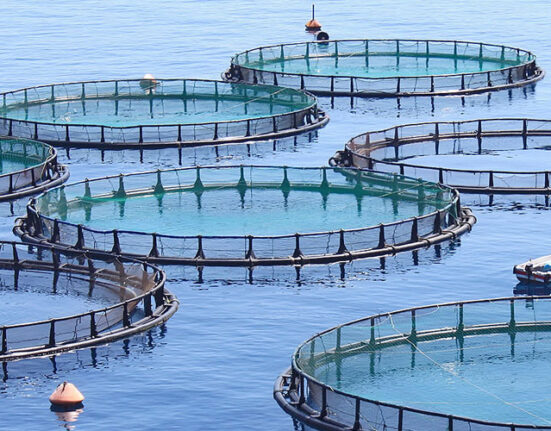
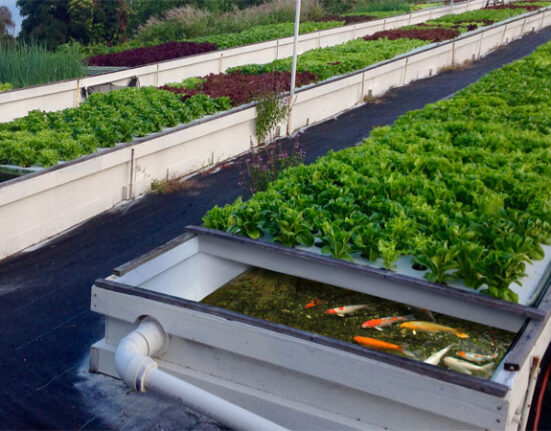
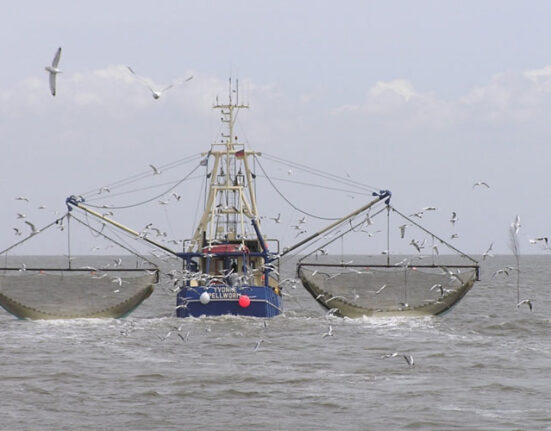


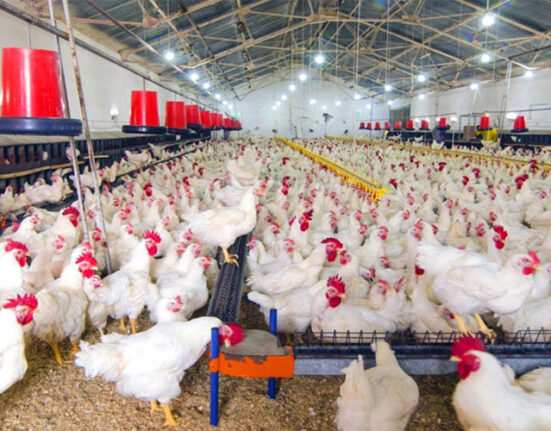
The Gulf Cooperation Council (GCC) nations achieved significant advancements in the agriculture, livestock, and fishing fields throughout 2024. This progress highlights the increasing importance of these sectors in contributing to food security and supporting efforts to diversify the regional economies, notwithstanding the persistent challenges of scarce arable land and limited water resources.
Economic Impact and Sector Growth
According to recent data from the GCC Statistical Center, the agriculture and fishing sectors contributed nearly USD 40 billion to the regional GDP at current prices in 2024. This marked a 5.1% increase compared to the previous year. Despite this growth, their share of the overall GCC GDP remained stable at 1.7%. Additionally, agricultural and fishing exports increased by 17.5% to reach USD 7.8 billion, while imports grew by 10.1% to USD 38.7 billion, reflecting the region’s efforts to enhance production and strengthen food supply chains.
Production Increases Drive Sector Performance
The expansion was fueled by higher production volumes across plant cultivation, animal husbandry, and fishery activities. Plant production in the GCC totaled approximately 12.7 million tons in 2024, up 3.9% from 2023. Livestock numbers also rose, with around 42.5 million heads recorded, representing a 3.6% increase during the previous year. These gains underscore the ongoing commitment to improving agricultural productivity and fostering better intra-regional and international trade connections.
Facing Environmental Challenges
The GCC continues to navigate environmental limitations such as the scarcity of cultivable land and water shortages, which remain significant obstacles for agricultural development. Despite these constraints, concerted policies and investment have enabled the sector’s steady growth, positioning it as an integral part of the region’s economic landscape and resilience strategies.
Leave feedback about this