






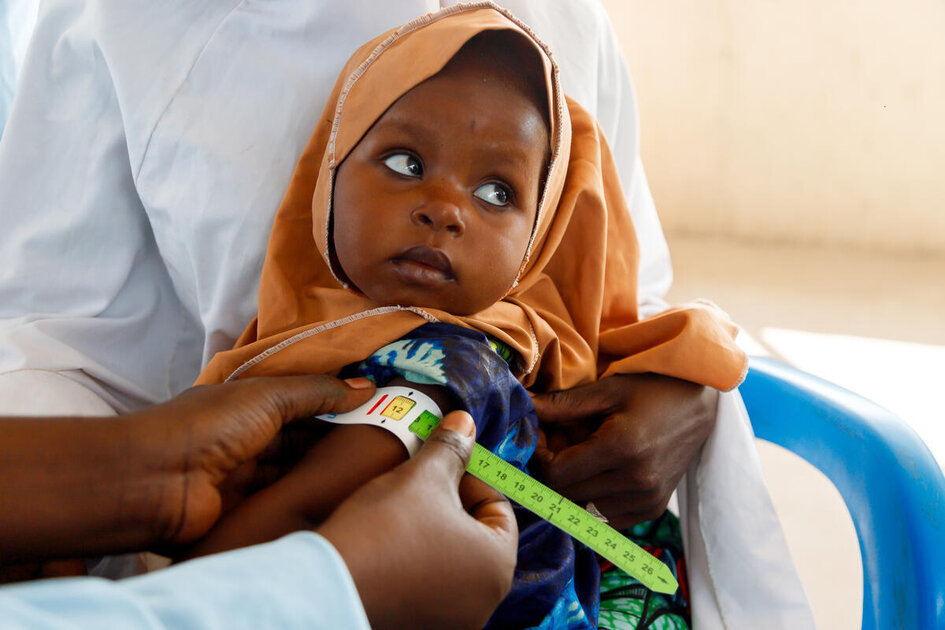
The United Nations World Food Programme (WFP) has issued a warning about worsening hunger in West and Central Africa due to inadequate funding and increasing violence. An alarming 55 million people in these regions are projected to suffer from crisis or worse levels of hunger during the 2026 lean season from June to August. This includes more than 13 million children predicted to face malnutrition.
Escalating Food Insecurity and Malnutrition
The latest Cadre Harmonisé report, the regional equivalent of the Integrated Food Security Phase Classification system, reveals that over three million people will experience emergency-level food insecurity (Phase 4) in 2026, doubling the 1.5 million recorded in 2020. The countries of Nigeria, Chad, Cameroon, and Niger represent 77 percent of these figures. Notably, 15,000 people in Nigeria’s Borno State are at risk of catastrophic hunger (IPC Phase 5) for the first time in nearly ten years.
Impact of Aid Reductions and Conflict
Rising conflicts, widespread displacement, and economic challenges have triggered increasing hunger, but cuts to humanitarian aid have exacerbated the situation. In Mali, reduced food assistance led to a 64 percent rise in acute hunger in affected areas since 2023, while communities receiving full rations saw a 34 percent reduction. Ongoing insecurity has disrupted food supply chains for major Malian cities, with 1.5 million people anticipated to face crisis levels of hunger. Similarly, Nigeria’s funding shortfall in 2025 forced significant cutbacks in nutrition programs, adversely affecting over 300,000 children and causing malnutrition rates to worsen in northern states.
Urgent Need for Funding and Long-Term Solutions
With ongoing funding challenges, millions face the threat of being cut off from lifesaving aid, as seen in Cameroon where over half a million people could lose assistance in the coming weeks. In Nigeria, WFP assistance is expected to reach only 72,000 people in February, a dramatic decrease from 1.3 million during the previous lean season.
Despite these hurdles, WFP’s interventions have demonstrated significant gains when adequately funded, including land restoration efforts in the Sahel that return up to $30 per dollar invested, benefiting more than four million people since 2018. Other programs target infrastructure, school meals, nutrition, capacity building, and seasonal aid to help communities withstand extreme conditions and reduce dependency on aid.
Calls for Increased Investment in Preparedness
WFP emphasizes that breaking the cycle of hunger requires a fundamental shift towards increased investment in preparedness, anticipatory action, and resilience. National governments and partners must prioritize empowering vulnerable communities to withstand crises. Currently, WFP urgently needs over $453 million within the next six months to sustain humanitarian operations across West and Central Africa.
Leave feedback about this