


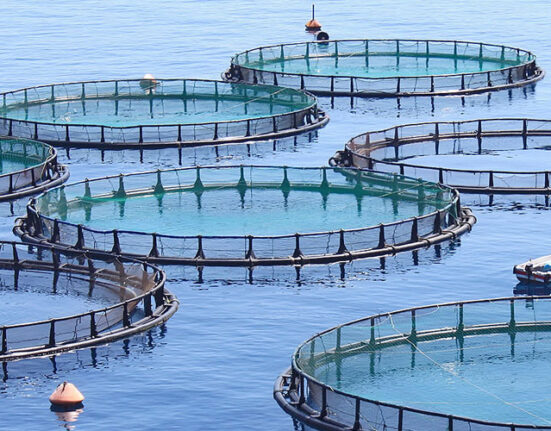
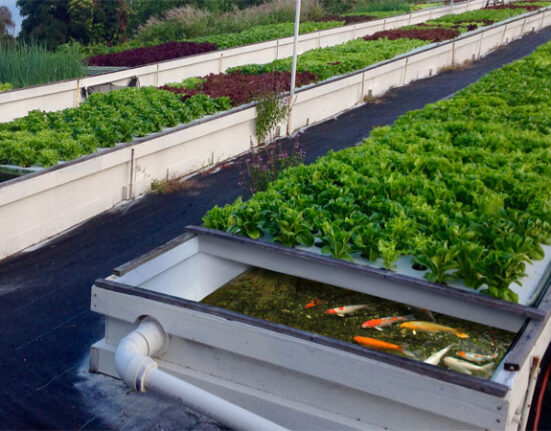
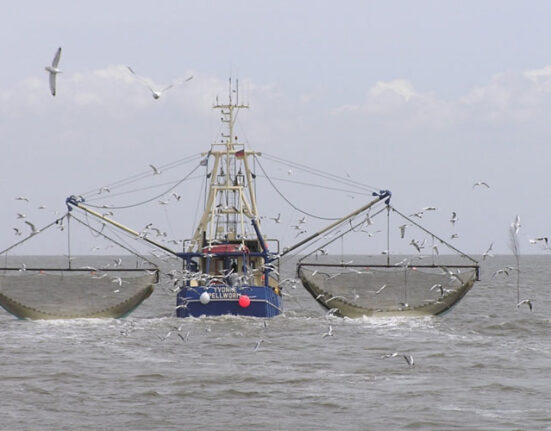

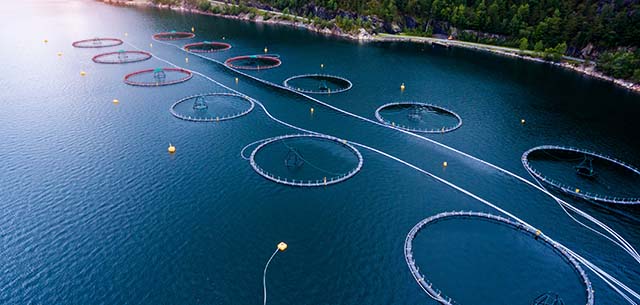
Aquaculture growth is anticipated to decelerate in 2026 following a robust 2025, as global producers contend with a range of market headwinds. Forecasts suggest that inflation, moderating demand—especially in North America—and volatile feed prices will collectively apply pressure to the sector.
Softening Demand in Key Markets
The aquaculture industry is seeing reduced momentum as consumers, particularly in the United States, adjust their consumption amid economic uncertainty. This subdued demand could dampen investment in expansion and slow the pace of output growth for major seafood categories.
Feed Cost Volatility a Persistent Challenge
While some stabilization in feed prices is expected, weather variation and trade disruptions continue to fuel unpredictability in raw material costs. This prolongs financial strain on producers, many of whom face thin margins due to exposure to global commodity dynamics.
Species-Specific Projections
Carps are forecast to maintain strong momentum with an approximate 6% increase in year-on-year production. Atlantic salmon production in Europe is expected to grow more modestly at around 2%, in line with market correction after rapid gains the previous year. Meanwhile, production of sea bass and sea bream is poised to rise by 4%, supported by improved farming conditions.
Global Shrimp Production Shifts
After experiencing boom years, shrimp output is projected to rise by a more measured 3% in 2026. Ecuador remains a key driver, contributing significantly to global supply, although disparities persist among regional producers facing varied economic and environmental conditions.
Overall, while aquaculture remains a critical source of protein and economic activity, the coming year is expected to bring a more cautious pace of growth shaped by macroeconomic uncertainties and input cost pressures.
Leave feedback about this