







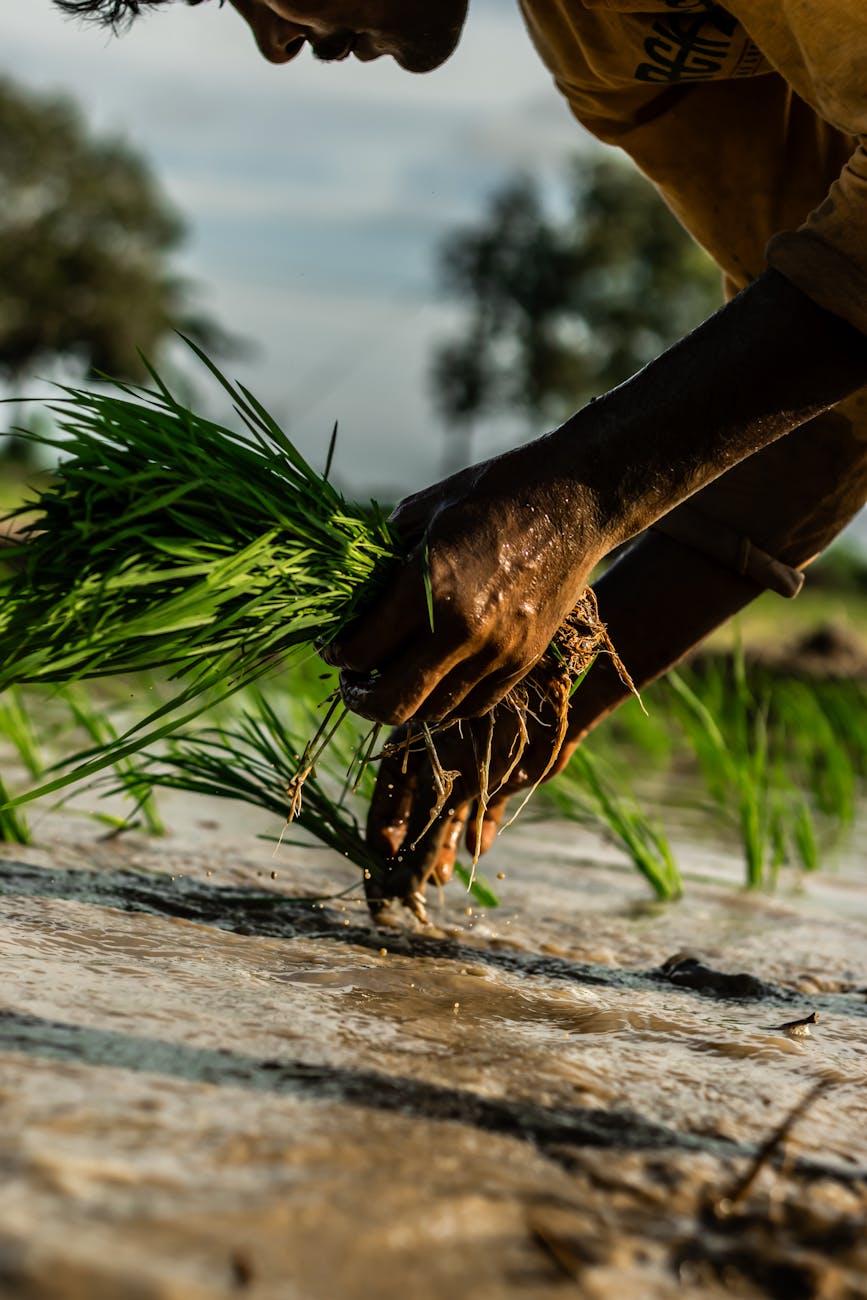
India’s success in becoming the world’s leading rice producer has sparked celebrations, but it has also exposed a concerning trend: the depletion of groundwater resources in critical farming areas.
Groundwater Crisis
While politicians commend India’s resilient farmers and innovative policies, many rice farmers are facing challenges related to diminishing water supplies. The unsustainable drainage of aquifers is forcing farmers to invest heavily in deeper borewells, increasing their financial burden.
The Cost of Pumping
In Haryana and Punjab, the water table has significantly dropped over the past decade, compelling farmers to drill wells to depths between 80 and 200 feet. This situation is further exacerbated by government subsidies that favor water-intensive rice cultivation over other, less demanding crops. One farmer noted the rising costs associated with deeper wells are becoming unsustainable.
Incentives for Change?
The Haryana government has initiated a program offering subsidies to farmers who switch to crops like millets that require less water, although the long-term success of this effort remains to be seen. Despite these attempts, transitioning away from rice cultivation requires a sustained commitment and adequate financial support.
A Global Impact
As India accounts for a significant portion of global rice exports, changes in its production practices will affect the market worldwide. Experts are now questioning whether the country should continue growing and exporting such vast quantities of rice, given the strain on its water resources. The current strategy effectively incentivizes farmers to consume significant amounts of groundwater in an already water-stressed nation.
Leave feedback about this