


The food market within the Gulf Cooperation Council (GCC) region is experiencing a dynamic phase of expansion, driven by multiple factors including a growing population, increased per capita income, and a thriving tourism sector. This growth is also influenced by a rising awareness of healthy eating and the surge in demand for organic food options.
Key Market Drivers
Several factors are contributing to the expansion of the GCC food market. The region’s strategic location, combined with its increasing population, creates significant opportunities for growth and innovation within the food industry. Furthermore, there’s a growing trend towards healthier lifestyles, particularly among millennials, boosting demand for plant-based and organic food products.
Government Initiatives
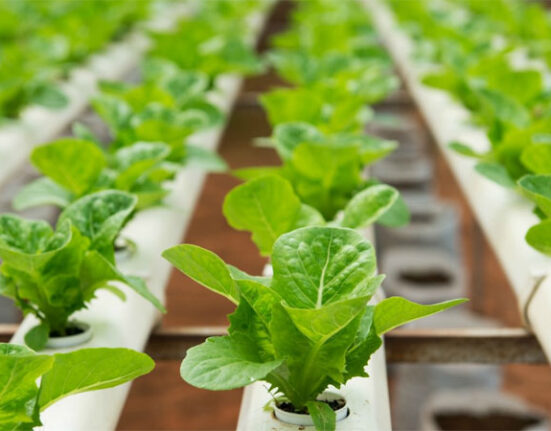
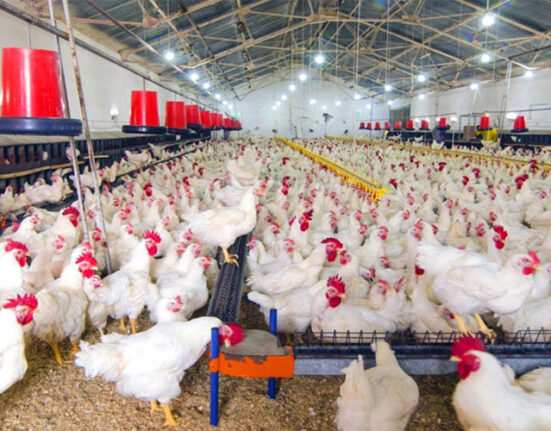
Recognizing the importance of food security, GCC governments are actively working to enhance domestic food production and reduce reliance on imports. This involves investing in local desalination capacity, supporting research and development, and streamlining logistics to enhance the overall efficiency of the food sector.
Category Consumption
Cereals, including staples like rice, wheat, and barley, remain the most consumed food category in the GCC. However, vegetables are emerging as the fastest-growing segment, driven by an increasing awareness of the importance of nutrition and the rising prevalence of non-communicable diseases. On the production side, fruits lead the market, boosted by favorable climatic conditions and adoption of advanced agricultural technologies.
Looking Ahead
The GCC food market is characterized by fragmentation and intense competition. To maintain a competitive edge, key players are constantly investing in strategic initiatives such as adopting new technologies, expanding into emerging markets, and forming collaborations. This evolving landscape reflects the region’s commitment to building a robust and sustainable food ecosystem.
Leave feedback about this