




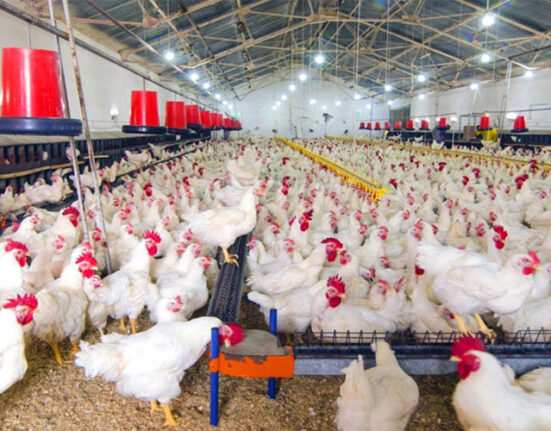
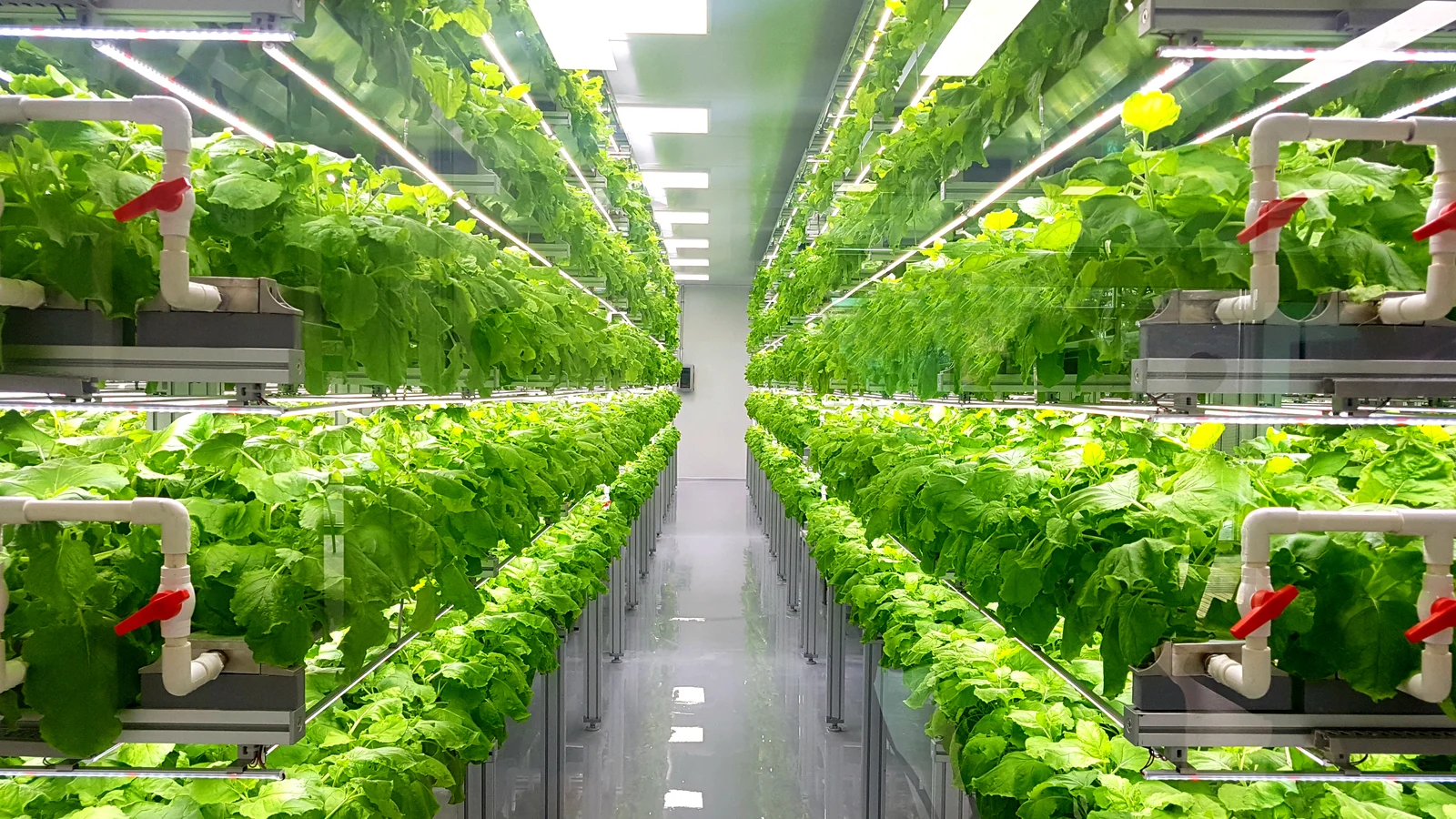
“By 2025, aquaponics vertical farms can use up to 90% less water than traditional soil-based agriculture.”
Table of Contents
- Introduction: Aquaponics Vertical Farming Revolution
- What is Aquaponics Vertical Farming?
- Aquaponics vs Traditional Farming: Sustainability & Efficiency
- Comparative Analysis Table (2025): Aquaponics & Alternatives
- Key Challenges Addressed by Aquaponics Vertical Farming
- Technological Innovations in Aquaponics Vertical Farming (2025 & Beyond)
- Latest Aquaponics Research & Industry Trends (2025)
- Commercial Adoption & Best Vertical Farming Stocks (2025)
- Integration Beyond Food Production: Forestry, Defence, & Resource Management
- Farmonaut: Satellite Technology Supporting Sustainable Agriculture
- FAQs on Aquaponics Vertical Farming (2025)
- Conclusion: The Future of Aquaponics Vertical Farming
Aquaponics Vertical Farming Revolution: The Dawn of Sustainable Agriculture (2025)
As the global population continues to rise and arable land becomes scarce, the world faces critical challenges in feeding billions, promoting food security, and limiting the environmental impact of agriculture. Conventional farming methods are under mounting strain due to climate change, water scarcity, and loss of arable land, all of which drive the urgent need for innovative agricultural practices that can deliver more with less. Aquaponics vertical farming has emerged as a groundbreaking approach—combining the power of aquaculture and hydroponics within a vertically integrated system—to meet the demand for sustainable food production in 2025 and beyond.
Aquaponics vertical farming is now reshaping agricultural paradigms globally, providing solutions to water scarcity, land use efficiency, and environmental impact. Through advances in technology, research, and innovative management, this method offers a new way to optimize water use, plant growth, food quality, and overall resource efficiency—while presenting strong opportunities for those following the best vertical farming stocks and investment trends in 2025.

What is Aquaponics Vertical Farming? A Groundbreaking Approach
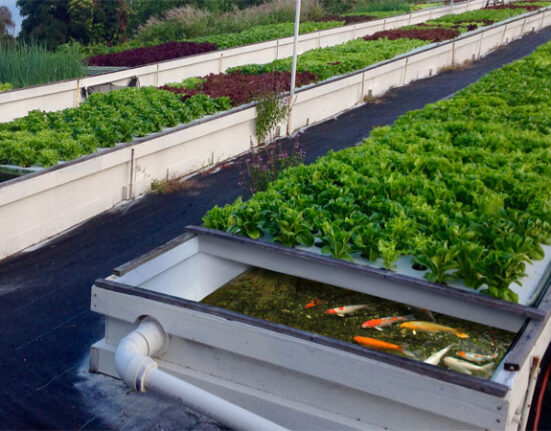
Aquaponics vertical farming is an innovative farming technique where aquaculture (raising fish) and hydroponics (growing plants without soil) coexist symbiotically in vertically stacked layers. This integrated system makes the best use of limited space, especially in settings with limited or expensive land—like urban environments or regions facing arable land scarcity.
How Does the System Work?
- Fish tanks house aquatic species (such as tilapia or catfish) whose waste provides essential nutrients for plant growth.
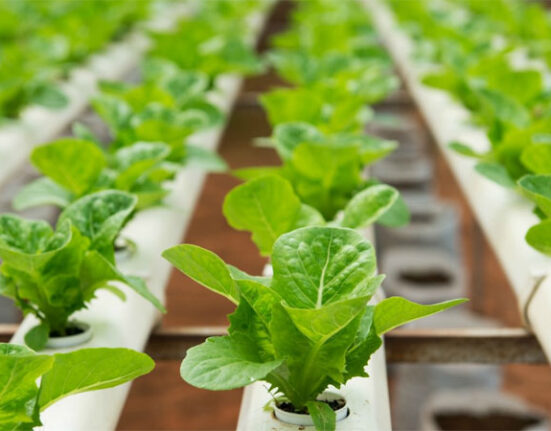
- Plants (crops) are grown in stacked hydroponic layers above or near the fish tanks, absorbing these nutrients as their fertilizer.
- Water is recirculated—the plants naturally filter and clean the water, which is then recirculated back to the fish tanks.
- This closed-loop system drastically reduces water waste, optimizes resource management, and creates a mutually beneficial environment for both plants and fish.
Combined with vertical stacking, aquaponics multiplies the productivity per square foot compared to conventional horizontal fields. Crops like leafy greens, herbs, strawberries, and certain vegetables thrive in these controlled, nutrient-rich, and space-efficient environments.

Aquaponics vs Traditional Farming: Sustainability & Efficiency in 2025
Compared to traditional farming, aquaponics vertical farming offers multiple sustainability advantages. Let’s break down how aquaponics stacks up against other agricultural methods:
- Water Use: Traditional soil-based agriculture consumes vast amounts of freshwater, most of which is lost to runoff or evaporation. Aquaponics vertical farms use up to 90% less water through recycling and recirculation.
- Land Requirements: With vertical integration, aquaponics maximizes productivity per square foot, crucial for densely populated urban settings or regions where arable land is increasingly scarce.
- Resource Efficiency: Aquaponics eliminates the need for chemical fertilizers and pesticides—fish waste delivers nutrients naturally, and closed systems prevent pest and disease outbreaks common in open fields.
- Climate Resilience: Vertical aquaponic farms are protected from unpredictable climate conditions and can maintain year-round production, ensuring stability in food supply.
- Organic Production: With no synthetic chemicals, output is cleaner and friendlier to health and the environment, promoting sustainable practices.
In 2025, these advantages position aquaponics vertical farming as a leader in sustainable agriculture.

Comparative Analysis Table (2025): Aquaponics Vertical Farming vs Traditional and Hydroponics Vertical Systems
This table offers a data-driven look at how aquaponics vertical farming stands out among leading agricultural methods in 2025—enhancing technology adoption, sustainability, efficiency, and investment appeal.
| Farming Method | Estimated Water Usage (L/kg crop) | Estimated Yield per Acre (tons/year) | Energy Consumption (kWh/ton) | Key Technological Innovations | Environmental Impact Score (1-10) | Projected Stock Performance (2025, % growth) |
|---|---|---|---|---|---|---|
| Aquaponics Vertical | 50–80 | 60–125 | 700–1000 | AI automation, recirculating aquaculture, LED, biofloc, IoT sensors | 9.5 | 30–45% |
| Traditional Soil-Based | 650–900 | 10–25 | 200–350 | Tractors, irrigation pumps, agrochemicals | 4.2 | 3–8% |
| Hydroponics Vertical | 80–120 | 50–110 | 800–1200 | Nutrient film, LED lighting, automated dosing, smart climate | 8.1 | 18–26% |
“Global aquaponics market value is projected to surpass $1.3 billion by 2025, driven by tech innovation in vertical farming.”
Key Challenges Addressed by Aquaponics Vertical Farming
The integration of aquaculture and hydroponics in an aquaponics system brings together strengths of both worlds, addressing major issues in global sustainable agriculture:
- Water Scarcity: Recycling and reusing water dramatically reduces consumption—a critical factor as freshwater resources become increasingly scarce in 2025.
- Arable Land Loss: Vertical stacking maximizes yield in urban and land-limited areas, using marginal, reclaimed, or even industrial sites for food production.
- Climate Variability and Instability: Controlled environments shield crops from erratic weather, pests, and diseases, ensuring consistent year-round yield.
- Nutrient Management: Fish waste provides essential plant nutrients, minimizing external fertilizer input and nutrient runoff, reducing environmental impact.
- Food Security & Urbanization: Urban vertical farms can supply fresh, local produce within city limits, reducing transportation costs, spoilage, and food insecurity.
- Sustainability & Ecological Footprint: Integrating fish and plant production naturally reduces chemical use and carbon footprint associated with conventional farming.
Technological Innovations in Aquaponics Vertical Farming (2025 & Beyond)
Modern aquaponic farms are increasingly powered by advanced technology that boosts crop yield, quality, and operational efficiency. Some of the most impactful innovations as of 2025 include:
1. AI-Driven Monitoring & Smart Control
- Artificial intelligence is now key for real-time system monitoring, including water pH, oxygen, temperature, and nutrient cycling.
- Early detection of plant diseases or stress is performed using computer vision and IoT sensors, raising productivity and minimizing crop losses.
2. Automated LED Lighting & Climate Systems
- LED technology customizes light spectra for different growth stages, optimizing photosynthesis and reducing energy waste.
- Automated climate controls (humidity, CO2, temperature) create optimal conditions for both plants and fish—across all seasons.
3. Modular, Scalable System Designs
- Portable and modular aquaponic systems allow flexible installation in places like urban rooftops, basements, or even remote, off-grid environments.
- Scalability enables adaptation from community projects to large-scale, commercial operations.
4. Advances in Fish & Plant Species Selection
- Aquaponic research in 2025 focuses on identifying hardier fish species and higher-yielding crops with maximum nutrient exchange, disease resistance, and growth efficiency.
5. Blockchain Traceability
- Blockchain-based records bring traceability and authenticity to aquaponic farms—useful for certification, insurance, and consumer trust.
- Learn more about how blockchain is transforming traceability and transparency in agriculture in 2025 on our Product Traceability page.
6. Environmental Impact & Carbon Footprinting
- Tools for tracking and reducing carbon footprint, water usage, and overall environmental impact are increasingly vital. Aquaponic systems can monitor every stage of production with actionable data.
- Explore our Carbon Footprinting platform for real-time environmental metrics and sustainability strategies.

Latest Aquaponics Research & Industry Trends (2025)
Aquaponics research in 2025 is expanding rapidly, with a focus on systemic optimization, fish-plant symbiosis, disease/pest management, and climate adaptability. Key areas of innovation include:
- Biofloc and Microbial Management: Control of beneficial bacteria and biofloc improves water quality, recycles nutrients, and prevents outbreaks of diseases both in fish and plant components of the system.
- AI/ML-Driven Experimental Design: Sophisticated analytics and open-source system modeling allow fast iteration of variables like water temperature, fish feed types, or plant selection—to maximize output per resource unit.
- Crop Variety Expansion: Beyond leafy greens, tomatoes, peppers, strawberries, and medicinal plants are proving highly productive in aquaponic setups, especially with vertical stacking.
- Smart Data Integration: With advances in sensors, remote monitoring, and data aggregation, farms are now able to benchmark performance, adapt practices, and guarantee food safety and traceability.
Academic and commercial research is also exploring integration of renewable energy (solar, wind), and closed-loop resource management for near-zero waste aquaponic farms.
Commercial Adoption & Best Vertical Farming Stocks (2025)
The rise of aquaponics vertical farming is generating strong momentum in the agri-tech investment sector. Key trends include:
- Dominant Companies & Startups: A new class of agri-tech companies are focusing on modular aquaponic farms, AI-driven controls, and scalable urban deployment.
- Best Vertical Farming Stocks: Leading agri-tech stocks in 2025 increasingly feature companies specializing in smart, sustainable aquaponic systems, with projected annual growth rates of 30–45%.
- Government & Institutional Backing: Many countries—including the US, Singapore, and the UAE—are investing in vertical farming infrastructure to enhance national food security.
Investors are now looking for integrated, technology-driven farming solutions able to operate in both large-scale and micro-scale urban environments, ensuring food security and supply chain resilience.
For scalable farm management solutions with actionable real-time data, check out our Large-Scale Farm Management Platform—purpose-built to optimize operations, compliance, and resource allocation for commercial and enterprise users.

Integration Beyond Food Production: Forestry, Defence, & Resource Management
Aquaponics vertical farming systems are not just for food crops—they are now being adapted for wider resource management and specialized applications:
Forestry Management & Reforestation
- Forestry researchers are exploring nutrient-rich, controlled aquaponics systems to cultivate tree seedlings and medicinal seedlings at scale, enhancing growth and resilience, and reducing the time to maturity.
- This complements (but does not replace) traditional forestry, accelerating production of high-quality planting material for conservation and restoration.
- Interested in reserve reclamation or forest advisory via satellite technology? Discover resource monitoring for forest plantations on the Crop Plantation & Forest Advisory page.
Defence Sector & Remote Environments
- Military and defence agencies are testing portable, self-sufficient aquaponic vertical farms to provide fresh vegetables and fish protein in remote, hostile, or supply-limited environments.
- These systems are compact, energy-efficient, and can support small communities or troops on extended deployment.
- Explore the newest solutions for environmental monitoring, defence intelligence, and operational planning at our Fleet & Resource Management page.
Financing, Insurance & Traceability for Farms
- Financial institutions now depend on satellite data and blockchain for farm verification, improving risk assessment for crop loans and insurance—including in the aquaponics vertical farming sector.
Learn more about satellite-driven verification on the Crop Loan & Insurance portal.

Farmonaut: Satellite Technology Supporting Sustainable Agriculture
As a pioneering satellite technology company, Farmonaut empowers sustainable agriculture—including aquaponics vertical farming—with cutting-edge insights and digital tools delivered through our web, Android, and iOS platforms (see download links and app buttons below). Our technologies directly address resource management, productivity, traceability, and environmental impact across global farming operations.
- Satellite-Based Monitoring: For real-time crop, soil, and environmental health, supporting smarter resource, nutrient, and management decisions in aquaponic and traditional systems.
- AI Advisory: Jeevn AI analyzes satellite data for real-time guidance on agronomy, climate risk, and operational efficiency.
- Blockchain Traceability: Securely documents every stage of the aquaponics supply chain for transparency and consumer trust.
- Fleet & Resource Management: Optimizes logistics—essential for commercial aquaponic farms, urban delivery, and off-grid deployments.
- Environmental Management: Tracks carbon footprint, water usage, and sustainability metrics for regulatory compliance and green branding.
- Accessible Anytime, Anywhere: All tools are available via the Farmonaut App (Android, iOS, Web) and as integrated APIs for developers and businesses.
Try Farmonaut’s platform and transform how you manage sustainable farming, vertical farm operations, and beyond:


- Integrate Farmonaut API in your operations:
API Access |
Developer Documentation

FAQs on Aquaponics Vertical Farming (2025)
What is aquaponics vertical farming?
Aquaponics vertical farming is an integrated, sustainable agricultural system that combines aquaculture (fish farming) and hydroponics (soilless plant cultivation) in vertically stacked layers. Fish and plants live symbiotically, with fish waste supplying plant nutrients and plants purifying the water, which is recirculated to the fish tanks.
How much water can I save with aquaponics vertical farming?
By 2025, the latest systems can achieve up to 90% water savings compared to traditional soil-based farming, thanks to efficient recycling and reuse of water within a closed-loop environment.
What crops and fish are best for aquaponics vertical farms?
Leafy greens (lettuce, kale, spinach), herbs (basil, mint), strawberries, tomatoes, and peppers thrive in these environments. Common fish species include tilapia, catfish, trout, and perch, chosen for their adaptability and nutrient output.
What are the key differences: aquaponics vs traditional farming?
Major differences include water efficiency, controlled environment, no chemical pesticides, reduced environmental impact, and year-round operation. Traditional farming uses much more water and is dependent on climate and soil fertility; aquaponics is independent of soil and uses stacked, closed-loop production.
Is aquaponics vertical farming profitable in 2025?
Yes. With commercial yields, low input costs, resource efficiency, and rising consumer demand for sustainable and local food, aquaponic farms can deliver strong ROI. This is also reflected in robust performance among the best vertical farming stocks.
Can aquaponics farms be used in urban settings or remote areas?
Absolutely. The stackable, modular nature of aquaponics vertical systems makes them ideal for rooftops, basements, warehouses, and remote locations—perfect for both food deserts and distant communities.
How is climate risk managed in aquaponics vertical systems?
By operating within controlled indoor environments, these farms are protected from climate variability, ensuring reliable, high-quality output regardless of external weather or season.
What role does technology play in aquaponics vertical farming?
Technology underpins every stage of aquaponics vertical farming: AI assists in system management, IoT sensors monitor resources, LED lighting tailors growth cycles, blockchain secures traceability, and remote analytics optimize performance and environmental impact.
Can Farmonaut help optimize aquaponics vertical farms?
Yes. Through our satellite-based monitoring, AI advisory, environmental management, and blockchain traceability tools, we empower stakeholders to improve yields, resource efficiency, compliance, and market trust in sustainable farming ventures.
Conclusion: The Future of Aquaponics Vertical Farming (2025 & Beyond)
By 2025, aquaponics vertical farming is standing at the forefront of a profound shift in sustainable agriculture. Its synergy of aquaculture, hydroponics, and vertical design meets the critical challenges of our era: water scarcity, environmental impact, food security, and the need for efficient use of land and resources. Powered by the latest in AI, satellite monitoring, and blockchain, aquaponics delivers both technological innovation and proven sustainability.
As demand for reliable food production increases in a changing climate and urbanized world, aquaponics vertical farms are becoming even more relevant—not just for food, but for forestry, defence, finance, and resource management. With a market set to surpass $1.3 billion and robust projected growth for the best vertical farming stocks, the future is bright for investors, producers, and communities committed to a greener, healthier planet.
For stakeholders worldwide, leveraging intelligent tools and satellite-powered insights—like those we provide at Farmonaut—will be essential for thriving in the evolving, data-driven world of agriculture.
Leave feedback about this