

Executive summary
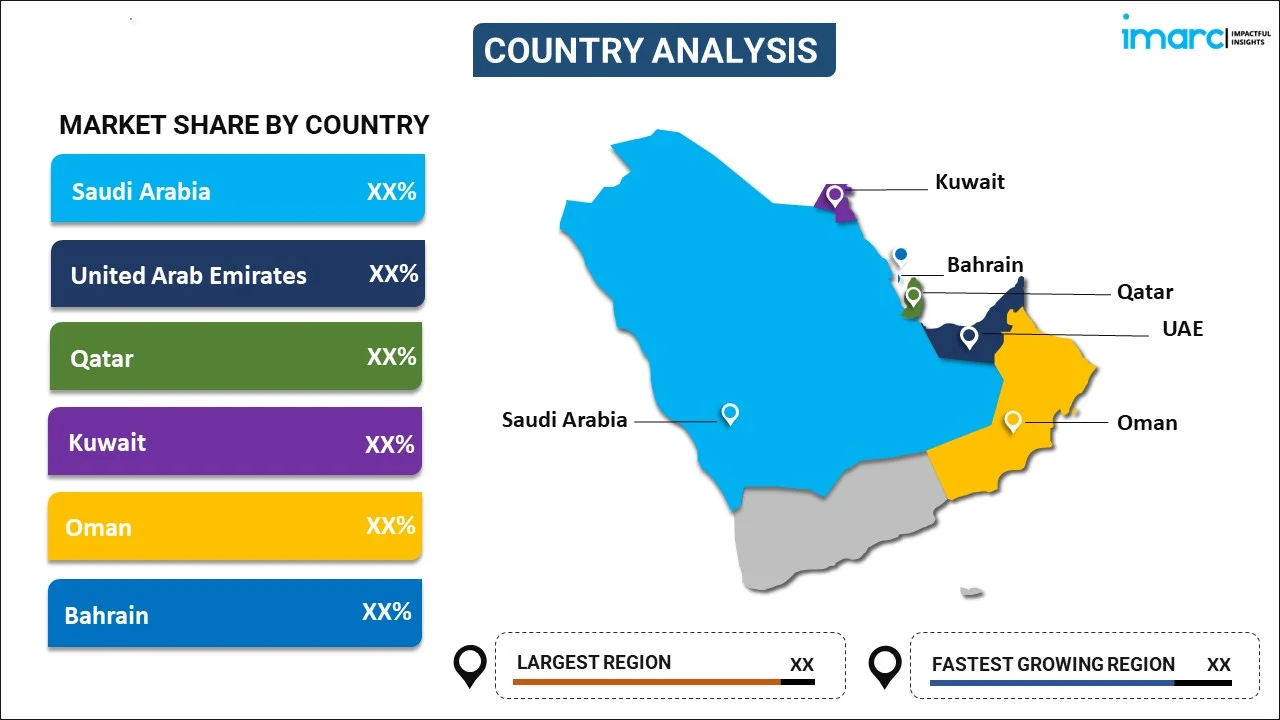
The Gulf Cooperation Council (GCC) consists of six countries: Bahrain, Kuwait, Oman, Qatar, Saudi Arabia and the United Arab Emirates (UAE) with a population of 58.9 million in 2022.
The GCC is forecast to be one of the fastest growing regions in halal meat consumption due to its population growth, rising incomes, tourism, urbanization and limited local agricultural production.
The total volume sales of meat (beef and veal, lamb, mutton and goat, poultry and other halal meat) in the GCC increased to 2.8 million tonnes in 2022 from 2.5 million tonnes in 2018. Saudi Arabia had the highest total volume sales of meat: 1.6 million tonnes in 2022, representing 58.0% of the total volume sales in the GCC.
Canada was the twentieth largest meat supplier to the GCC at the value of US$43.0 million in 2022, its compound annual growth rate (CAGR) was the highest 50.0% among top ten from 2018 to 2022. Canada’s share represents 0.6% of the region’s total meat imports in 2022.
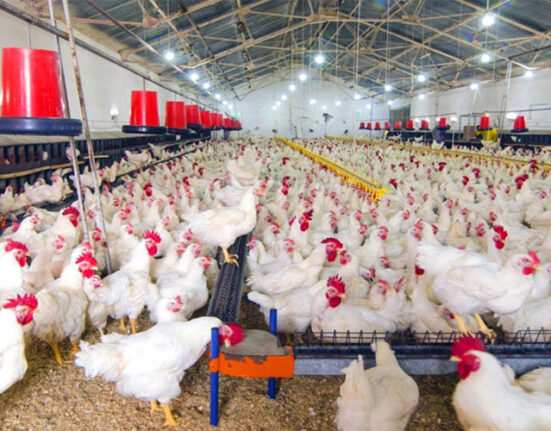
Meat and edible offal of fowls of the species gallus domesticus, ducks, geese, turkeys and guinea fowls, fresh, chilled or frozen was the biggest world export to GCC: US$3,301.9 million, representing 48.2% of the total meat exports in 2022. Meat and edible offal, salted, in brine, dried or smoked; edible flours and meals of meat or meat offal had the highest compound annual growth rate of 14.7% from 2018 to 2022.
Quebec exported the most quantity of meat (2,682.9 metric tonnes, US$31.98 million) to the GCC. It has the second fastest growth at a CAGR of 24.6 % in volume and the fastest growth at 84.4% in value from 2018 to 2022.
Leave feedback about this