


What are Aquaponics?

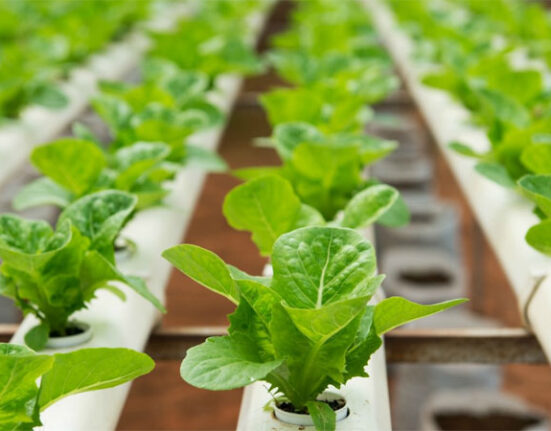
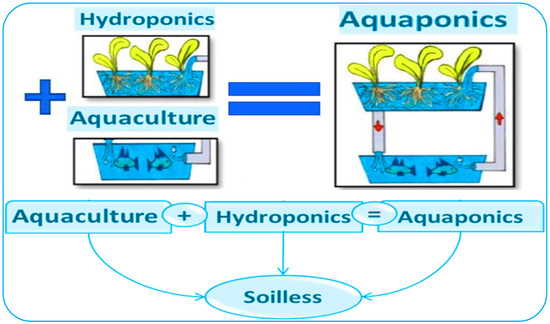
 branch of hydroponics that integrates aquaculture into hydroponics to create a closed ecosystem. This is done by recycling waste production created by farmed sea creatures to mineralise/give nutrients to and contribute to hydroponic plant growth which simultaneously purifies water.

How it works

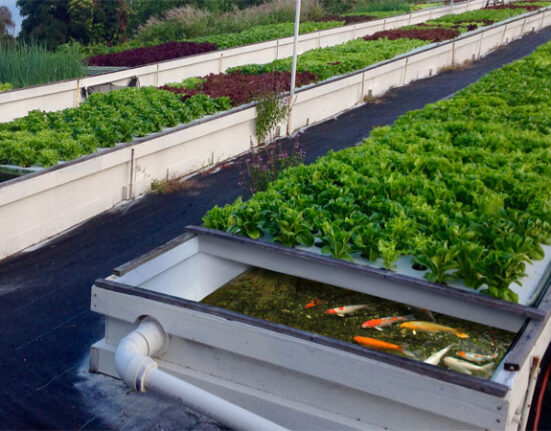
Aquaponics occur within a closed ecosystem which may be visualised through a cycle whereby:

  1. First, clean water is contaminated with fish food and fish waste.
  2. This water is then pumped into the plants’ grow bed.
  3. Bacteria converts the ammonia contained within this water into nitrates.
  4. The plants then absorb these nitrates as plant food.
  5. Once this is done, the ammonia-free water is drawn back into the fish tank where the cycle may begin again.

How Bahrain is benefiting from Aquaponics?

Being a desert, Bahrain faces land and water scarcity which is problematic to its food market because it limits its agricultural production. As such, in order to achieve a more sustainable desert agriculture that will develop and maintain food security, aquaponics has become an integral part of Bahrain’s food economy because it:

  • Limits water wastage by 90%, which is highly beneficial for Bahrain given that its desert environment already means that the land’s water supply is generally low
  • Increases food security because aquaponic systems are less susceptible to fail in drier growing conditions through environmental regulations which enable multi-seasonal production of food that can withstand droughts, extreme heat and desert lands
  • Eliminates weeds and thus, increases crop productivity
  • Multi-purpose system that embeds both plant and fish production into one process, cutting down on production costs

Examples of Aquaponic Farms in Bahrain

Bahrain Line Aquaponic Centre is an example of a farm that works with aquaponics. It created a system, designed in 2014, that aimed to improve the market supply and set a benchmark for freshwater fish in the region, allowing Bahrain’s food market to take advantage of the multi-purposeful closed ecosystem that aquaponics creates.


Industry Updates

Global Financial Markets Experience Volatility Amid Economic Uncertainty

Financial markets worldwide faced sharp fluctuations this week as investors reacted to mixed economic data and cautious central bank signals.
Global Financial Markets Experience Volatility Amid Economic Uncertainty

Financial markets worldwide faced sharp fluctuations this week as investors reacted to mixed economic data and cautious central bank signals.

Aquaponics: Advancing Food Sovereignty and Water Efficiency Through Sustainable Farming

Aquaponics integrates aquaculture and hydroponics to create sustainable food systems that optimize water use efficiency, enhance crop yields, and offer.

Comprehensive Market Report Forecasts Growth of Global AgTech and Advanced Food Technologies Through 2036

The Global AgTech and Advanced Food Technologies Market report offers an in-depth analysis of innovative agricultural technologies, investment trends, and.

Global Vertical Farming Market Set to Exceed $60 Billion by 2035

The vertical farming industry is projected to reach $60.4 billion by 2035, driven by technological innovations, climate resilience, and rising.

Innovative Aquaponics System Offers Sustainable Food Production Solution

New research introduces an advanced closed-loop aquaponics system that significantly boosts plant yield, drastically cuts water and energy use, and.

X